


Tuesday, Prime Minister Mark Carney’s government filed its application for leave to appeal to the Supreme Court of Canada (SCC) in the hopes that the highest court in the land overturn two earlier decisions against Ottawa.
In January, the Federal Court of Appeal upheld a lower court decision decision that the Liberal government’s invocation of the Emergencies Act on Feb. 14, 2022, to deal with lingering “Freedom Convoy” protests was unreasonable, unjustified and violated the Charter.

The challenge was brought forward by civil liberties groups such as the Canadian Civil Liberties Association (CCLA) and the Canadian Constitutional Foundation (CCF) as well as the provinces of Saskatchewan and Alberta.
 apple.news
At the time, the government argued it “needed the exceptional powers granted by the Act to freeze some convoy participants’ bank accounts, compel tow truck companies to co-operate with local police clearing out blockades and mark parts of downtown Ottawa as a no-go zone.
apple.news
At the time, the government argued it “needed the exceptional powers granted by the Act to freeze some convoy participants’ bank accounts, compel tow truck companies to co-operate with local police clearing out blockades and mark parts of downtown Ottawa as a no-go zone.
Within one week of the invocation, police forces from across Canada had assembled in Ottawa to push out protesters who had blockaded the streets around Parliament for weeks with trucks and cars as part of their protest against a hodgepodge of government policies including COVID-19 vaccine mandates.
But in 2024, the Federal Court ruled that the government’s decision that those powers were unnecessary to deal with the blockades at two border crossings (Coutts, Alberta, and the Ambassador Bridge in Windsor, Ont.) and downtown Ottawa.
In fact, Federal Court Justice Richard Mosley determined that existing provincial and municipal powers were sufficient to address the disruptive protests.
In his decision, Mosley agreed with the government that the pan-Canadian protests in early 2022 were causing harm to Canada’s economy, trade and commerce. But he concluded that the damages did not rise to the level of a threat to national security as defined by the law to invoke the exceptional and heavy-handed powers of the Emergencies Act.
“The record does not support a conclusion that the Convoy had created a critical, urgent and temporary situation that was national in scope and could not effectively be dealt with under any other law of Canada,” he wrote.
“The harm being caused to Canada’s economy, trade and commerce, was very real and concerning but it did not constitute threats or the use of serious violence to persons or property,” he added.
In January, the Federal Court of Appeal upheld the decision, also finding that Prime Minister Justin Trudeau’s cabinet did not have reasonable grounds to believe that the convoy created a national emergency.
“We are of the view that Cabinet did not have reasonable grounds to believe that a national emergency existed, taking into account the wording of the Act, its constitutional underpinning and the record that was before it at the time the decision was made,” wrote the court’s Chief Justice Yves de Montigny.
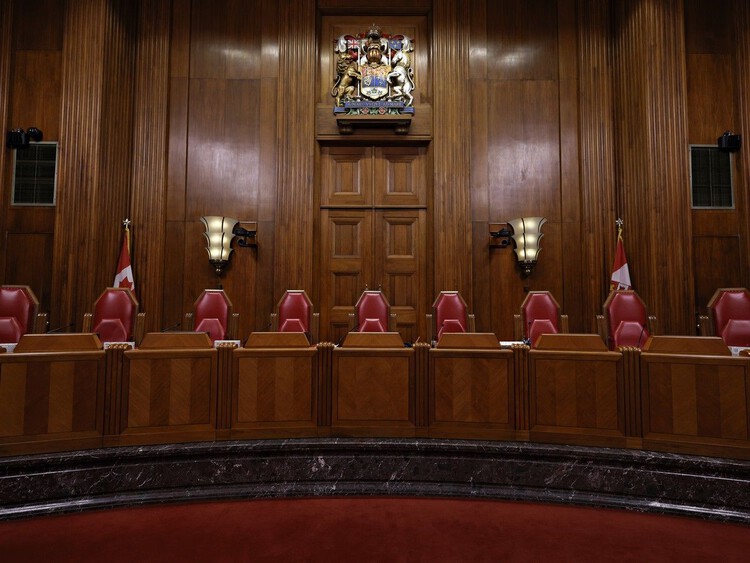
Now, the Supreme Court of Canada must decide if it will hear the case.
But the federal government faces a high bar for its appeal to be heard because there was no disagreement between the Federal Court and Federal Court of Appeal, meaning there are no major legal questions to be answered by the SCC.
Critics of the court are also likely to raise questions about SCC Chief Justice Richard Wagner’s comments months after the Freedom Convoy arguing that type of protest should “never happen again”.
During his annual press conference in 2022, Wagner described the impact of the Freedom Convoy’s blockades on many Ottawa business and individuals (particularly “the most vulnerable”) as “deplorable”.
In 2023, the head of the public inquiry looking into the government’s use of the Emergencies Act powers concluded that the invocation was reasonable, but barely.
“I have concluded that cabinet was reasonably concerned that the situation it was facing was worsening and at risk of becoming dangerous and unmanageable,” wrote Commissioner Paul Rouleau.
But he noted that the evidence was not “overwhelming,” and “reasonable and informed” people could reach a different conclusion.
In January, the Federal Court of Appeal upheld a lower court decision decision that the Liberal government’s invocation of the Emergencies Act on Feb. 14, 2022, to deal with lingering “Freedom Convoy” protests was unreasonable, unjustified and violated the Charter.
The challenge was brought forward by civil liberties groups such as the Canadian Civil Liberties Association (CCLA) and the Canadian Constitutional Foundation (CCF) as well as the provinces of Saskatchewan and Alberta.
Liberal government appeals ruling against use of Emergencies Act to Supreme Court — National Post
Federal government trying one last time to validate its invocation of the Emergencies Act to deal with the 2022 Freedom Convoy protests
Within one week of the invocation, police forces from across Canada had assembled in Ottawa to push out protesters who had blockaded the streets around Parliament for weeks with trucks and cars as part of their protest against a hodgepodge of government policies including COVID-19 vaccine mandates.
But in 2024, the Federal Court ruled that the government’s decision that those powers were unnecessary to deal with the blockades at two border crossings (Coutts, Alberta, and the Ambassador Bridge in Windsor, Ont.) and downtown Ottawa.
In fact, Federal Court Justice Richard Mosley determined that existing provincial and municipal powers were sufficient to address the disruptive protests.
In his decision, Mosley agreed with the government that the pan-Canadian protests in early 2022 were causing harm to Canada’s economy, trade and commerce. But he concluded that the damages did not rise to the level of a threat to national security as defined by the law to invoke the exceptional and heavy-handed powers of the Emergencies Act.
“The record does not support a conclusion that the Convoy had created a critical, urgent and temporary situation that was national in scope and could not effectively be dealt with under any other law of Canada,” he wrote.
“The harm being caused to Canada’s economy, trade and commerce, was very real and concerning but it did not constitute threats or the use of serious violence to persons or property,” he added.
In January, the Federal Court of Appeal upheld the decision, also finding that Prime Minister Justin Trudeau’s cabinet did not have reasonable grounds to believe that the convoy created a national emergency.
“We are of the view that Cabinet did not have reasonable grounds to believe that a national emergency existed, taking into account the wording of the Act, its constitutional underpinning and the record that was before it at the time the decision was made,” wrote the court’s Chief Justice Yves de Montigny.
Now, the Supreme Court of Canada must decide if it will hear the case.
But the federal government faces a high bar for its appeal to be heard because there was no disagreement between the Federal Court and Federal Court of Appeal, meaning there are no major legal questions to be answered by the SCC.
Critics of the court are also likely to raise questions about SCC Chief Justice Richard Wagner’s comments months after the Freedom Convoy arguing that type of protest should “never happen again”.
During his annual press conference in 2022, Wagner described the impact of the Freedom Convoy’s blockades on many Ottawa business and individuals (particularly “the most vulnerable”) as “deplorable”.
In 2023, the head of the public inquiry looking into the government’s use of the Emergencies Act powers concluded that the invocation was reasonable, but barely.
“I have concluded that cabinet was reasonably concerned that the situation it was facing was worsening and at risk of becoming dangerous and unmanageable,” wrote Commissioner Paul Rouleau.
But he noted that the evidence was not “overwhelming,” and “reasonable and informed” people could reach a different conclusion.


