

I have to agree with them on this one. Their demands are both insulting and unacceptable to taxpayers. They need serious cuts to both the size and cost of government unions.The government union, Public Service Alliance of Canada, who is negotiating new contracts for its members, has already called the federal government’s wage offers “insulting” and “unacceptable.”
Trudeau Has Buried Us In Debt
- Thread starter Decapoda
- Start date
You are using an out of date browser. It may not display this or other websites correctly.
You should upgrade or use an alternative browser.
You should upgrade or use an alternative browser.


I guess that's why they're in politics instead of the private sector because they'd have been fired or their businesses would go broke under the same circumstances. Being involved in government means a job for life & all its benefits.Ottawa approved pay hikes for 78% of federal employees in 2025: CTF
Government workers enjoy 4.8% wage premium over non-government workers says the Fraser Institute
Author of the article:Jane Stevenson
Published Jul 31, 2026 • Last updated 17 hours ago • 2 minute read
Parliament Hill
Parliament Hill as seen from the Gatineau side of the Ottawa River. The active use pathway was reopened by the NCC after rehabilitation work was completed. Photo by Tony Caldwell /POSTMEDIA
I see you and I’ll raise you.
So said the federal government last year when it rubberstamped raises for 78% of its employees, or 336,188 bureaucrats, according to the Canadian Taxpayers Federation who obtained access-to-information records showing as much.
Meanwhile, the same records showed departments barely met half of their own performance targets and only 0.14%, or just 596 employees, took a pay reduction.
“Taxpayers have every reason to question why the vast majority of bureaucrats are taking bigger paycheques when departments can barely pass their own test,” Franco Terrazzano, CTF Federal Director, said in a statement.
“Federal bureaucrats shouldn’t feel entitled to more money every year just because they’re on the taxpayer payroll.”
The CTF says about 385,000 federal employees took a pay raise in 2024 and the government handed out more than one million pay raises between 2020 and 2023.
The federation says the government has continually refused to disclose how much these pay hikes cost taxpayers.
CTF says feds won’t say how much raises cost taxpayers
“Taxpayers are on the hook for another wage hike, but the government won’t tell Canadians the price tag,” Devin Drover, CTF General Counsel, said in a statement.
“That’s another failure of Canada’s broken access-to-information system. Taxpayers pay these wages and they have a right to know the bill.”
CTF says this isn’t the first time the feds have refused to disclose pay raise amounts after the federation launched legal challenges against CBC and the Bank of Canada for refusing to do so for its senior bureaucrats.
CBC logo on building
The CBC Radio Canada logo / sign on the Canadian Broadcasting Corporations building in the 700 block HamiltonVancouver, May 28 2013. Gerry Kahrmann / PNG staff photo) ( Prov / Sun News ) [PNG Merlin Archive]
The federation says government employees are now taking larger salaries than their counterparts working outside of government.
“Canada’s government-sector workers (from federal, provincial, and local governments) enjoyed a 4.8% wage premium, on average, over their private-sector counterparts,” according to the Fraser Institute, which controlled for factors like age, gender, education and industry.
The government union, Public Service Alliance of Canada, who is negotiating new contracts for its members, has already called the federal government’s wage offers “insulting” and “unacceptable.”
“What’s really insulting and unacceptable is how much the bureaucracy costs taxpayers and how little it delivers,” Terrazzano said. “Prime Minister Mark Carney needs to shrink the federal bureaucracy to stop borrowing money and provide Canadians with the tax relief they need.”
The cost of the bureaucracy is expected to reach $79.4 billion in 2026 – more than during former prime minister Justin Trudeau’s last year in office in 2024-25, even after inflation.
The cost of the federal bureaucracy increased 80% between 2015 and 2024, according to the Public Accounts.

Ottawa approved pay hikes for 78% of federal employees in 2025: CTF
The feds rubberstamped raises for 78% of its employees or 336,188 bureaucrats in 2025 says the Canadian Taxpayers Federation. Read more.torontosun.com

Cost to build the Ontario Line now tripled at $34 billion and climbing
The Ontario Line is a 15.6-km-long standalone rapid transit line that will link Exhibition Place to an area near Don Mills Rd. and Eglinton Ave., near the site of the now-closed Ontario Science Centre.
Author of the article:Gordon Anderson
Published Aug 11, 2026 • Last updated 19 hours ago • 2 minute read
metrolinx
Ontario Premier Doug Ford and Michael Lindsay, President and CEO, Metrolinx, at an Ontario Line construction site in the Don Valley in Scarborough, Ontario on Wednesday, August 5, 2026. Photo by (Peter Power/Postmedia News-POOL)
Costs associated with the Ontario Line subway construction project continue to escalate, Metrolinx boss says.
“When the Ontario Line began as a project, we lived in a different world with respect to major capital project delivery,” Metrolinx CEO and president Michael Lindsay told reporters on Tuesday. “We have experienced one of the worst supply chain shocks in the last several decades, trade uncertainty, but I can tell you that the direct costs of every single item on the Ontario Line are competitively bid and we progressively develop these projects with our partners precisely because we want to have that kind of line-item scrutiny on the costs.”
First announced in April 2019 by Premier Doug Ford, the Ontario Line is a 15.6-km-long standalone rapid transit line that will link Exhibition Place to an area near Don Mills Rd. and Eglinton Ave., near the site of the now-closed Ontario Science Centre.
Three times the cost
On Tuesday, Lindsay said the awarding of a $4.32 billion contract for three kilometres of tunnelling underneath Pape Ave. and the construction of two underground stations has pushed the current cost of the Ontario Line to around $34 billion. That is more than three times the original $10.9 billion cost estimate that was relayed in 2019.
Running underneath Pape Ave. in the city’s east end from near Gerrard St. north to the Don Valley near the Millwood Ave. bridge, the $4.32-billion contract will also include construction of two stations — one at the existing Pape TTC Line 2 subway station at Danforth Ave., and a second about 1.2 km north at Cosburn Ave.
The contract was announced on Aug. 6.
However, the CEO warns that the new expected cost is “under pressure.” He says it’s not possible to give an accurate estimate until a much later date.
Speaking of completion, when the project was announced seven years ago, the estimated completion time was early in 2027, but that time has now been pushed back indefinitely, with the latest completion time somewhere in the early 2030s.
Lindsay says Metrolinx is trying to squeeze every nickel out of the overall price point as costs are more than likely to increase in the future.
“It is absolutely true to say that the direct costs of these projects continue to go up, whether it is fighter jets, transit or hospitals or whatever it is,” Lindsay said. “We take it very seriously though at Metrolinx that we need to do everything we can to condition those costs and make our expenditures as efficient as they can be for taxpayers.”
ganderson@postmedia.com
— With files from the Toronto Sun

 torontosun.com
The Ontario Line is a 15.6-km-long standalone rapid transit line that will link Exhibition Place to an area near Don Mills Rd. and Eglinton Ave., near the site of the now-closed Ontario Science Centre.
Author of the article:Gordon Anderson
Published Aug 11, 2026 • Last updated 19 hours ago • 2 minute read
metrolinx
Ontario Premier Doug Ford and Michael Lindsay, President and CEO, Metrolinx, at an Ontario Line construction site in the Don Valley in Scarborough, Ontario on Wednesday, August 5, 2026. Photo by (Peter Power/Postmedia News-POOL)
Costs associated with the Ontario Line subway construction project continue to escalate, Metrolinx boss says.
“When the Ontario Line began as a project, we lived in a different world with respect to major capital project delivery,” Metrolinx CEO and president Michael Lindsay told reporters on Tuesday. “We have experienced one of the worst supply chain shocks in the last several decades, trade uncertainty, but I can tell you that the direct costs of every single item on the Ontario Line are competitively bid and we progressively develop these projects with our partners precisely because we want to have that kind of line-item scrutiny on the costs.”
First announced in April 2019 by Premier Doug Ford, the Ontario Line is a 15.6-km-long standalone rapid transit line that will link Exhibition Place to an area near Don Mills Rd. and Eglinton Ave., near the site of the now-closed Ontario Science Centre.
Three times the cost
On Tuesday, Lindsay said the awarding of a $4.32 billion contract for three kilometres of tunnelling underneath Pape Ave. and the construction of two underground stations has pushed the current cost of the Ontario Line to around $34 billion. That is more than three times the original $10.9 billion cost estimate that was relayed in 2019.
Running underneath Pape Ave. in the city’s east end from near Gerrard St. north to the Don Valley near the Millwood Ave. bridge, the $4.32-billion contract will also include construction of two stations — one at the existing Pape TTC Line 2 subway station at Danforth Ave., and a second about 1.2 km north at Cosburn Ave.
The contract was announced on Aug. 6.
However, the CEO warns that the new expected cost is “under pressure.” He says it’s not possible to give an accurate estimate until a much later date.
Speaking of completion, when the project was announced seven years ago, the estimated completion time was early in 2027, but that time has now been pushed back indefinitely, with the latest completion time somewhere in the early 2030s.
Lindsay says Metrolinx is trying to squeeze every nickel out of the overall price point as costs are more than likely to increase in the future.
“It is absolutely true to say that the direct costs of these projects continue to go up, whether it is fighter jets, transit or hospitals or whatever it is,” Lindsay said. “We take it very seriously though at Metrolinx that we need to do everything we can to condition those costs and make our expenditures as efficient as they can be for taxpayers.”
ganderson@postmedia.com
— With files from the Toronto Sun
Ontario Line
A 15.6-km subway line in Toronto that will run from Exhibition Place to Line 5 Eglinton.
metrolinx.com
Cost to build the Ontario Line now tripled at $34 billion and climbing
The current cost of the Ontario Line to around $34 billion, three times the original $10.9 billion cost estimate. Read more.
Corporate welfare is strangling Canadian economy: study
Subsidies totalled $87.7 billion in 2024 alone, with $44.7 billion coming from the federal government and $43 billion from the provincial governments combined, according to the Fraser Institute
Author of the article:Lorrie Goldstein
Published Aug 11, 2026 • Last updated 1 day ago • 2 minute read
Parliament
Corporate welfare by Canada’s federal and provincial governments has more than tripled since 2015 and is strangling economic growth, according to a new study by the Fraser Institute. Photo by DAVE CHAN /AFP via Getty Images
Corporate welfare by Canada’s federal and provincial governments has more than tripled since 2015 and is strangling economic growth, according to a new study by the Fraser Institute.
It found corporate subsidies totalled $87.7 billion in 2024 alone, with $44.7 billion coming from the federal government and $43 billion from the provincial governments combined.
That more than tripled the 2015 level of $25.1 billion, adjusted for inflation and population growth.
Despite all of this spending, the study said, “an extensive body of research shows there is little connection between sustained, widespread economic growth or job creation and corporate subsidies.”
“The massive recent increase in government spending on corporate welfare should concern all Canadians,” said Alex Whelan, co-author of the study by the fiscally conservative think tank, Eliminating Corporate Subsidies in Canada: An Opportunity to Boost Growth.
“It’s wasteful spending at the expense of Canadian taxpayers and places government in the position of picking favoured businesses. Better policies exist to drive economic growth.”
Gov’t could lower business taxes by more than 80%: Study
The study argues that by eliminating corporate welfare and applying the savings to broad-based corporate income tax relief, the federal and provincial governments could lower business taxes today by more than 80%, removing another anchor on the Canadian economy.
During the total study period from 2007 to 2024, the study found provincial governments spent $474.4 on corporate welfare while the federal government spent $312.9 billion, for a total of $787.3 billion.
It said that while some of this was due to the economic impact of the COVID-19 pandemic in 2020 and 2021, the amount of corporate welfare today far exceeds the amounts given away in pre-pandemic years.
The root problem, the study says, is that instead of improving their goods and services and how efficiently they produce them in order to compete and boost profits, corporate welfare incentivizes businesses to keep seeking government subsidies, known as “rent seeking”, instead of increasing productivity through research and development.
Low productivity has been described as a “break the glass emergency” by Bank of Canada senior deputy governor Carolyn Rogers.
The Organization for Economic Co-operation and Development has warned that if nothing changes, Canada’s real GDP per person — a measure of the standard of living — will be the lowest among its 38-member industrialized countries from 2020 to 2060.
Prime Minister Mark Carney is trying to turn this around by doubling the amount of foreign investment in Canada within a decade, to reduce our economic reliance on the United States.
But it will be a slow process.
Carney presided over the worst record of economic growth in Canada during his first year in office of any prime minister in more than half a century — negative growth of 0.5%, as reported by Bloomberg News.
 torontosun.com
Subsidies totalled $87.7 billion in 2024 alone, with $44.7 billion coming from the federal government and $43 billion from the provincial governments combined, according to the Fraser Institute
Author of the article:Lorrie Goldstein
Published Aug 11, 2026 • Last updated 1 day ago • 2 minute read
Parliament
Corporate welfare by Canada’s federal and provincial governments has more than tripled since 2015 and is strangling economic growth, according to a new study by the Fraser Institute. Photo by DAVE CHAN /AFP via Getty Images
Corporate welfare by Canada’s federal and provincial governments has more than tripled since 2015 and is strangling economic growth, according to a new study by the Fraser Institute.
It found corporate subsidies totalled $87.7 billion in 2024 alone, with $44.7 billion coming from the federal government and $43 billion from the provincial governments combined.
That more than tripled the 2015 level of $25.1 billion, adjusted for inflation and population growth.
Despite all of this spending, the study said, “an extensive body of research shows there is little connection between sustained, widespread economic growth or job creation and corporate subsidies.”
“The massive recent increase in government spending on corporate welfare should concern all Canadians,” said Alex Whelan, co-author of the study by the fiscally conservative think tank, Eliminating Corporate Subsidies in Canada: An Opportunity to Boost Growth.
“It’s wasteful spending at the expense of Canadian taxpayers and places government in the position of picking favoured businesses. Better policies exist to drive economic growth.”
Gov’t could lower business taxes by more than 80%: Study
The study argues that by eliminating corporate welfare and applying the savings to broad-based corporate income tax relief, the federal and provincial governments could lower business taxes today by more than 80%, removing another anchor on the Canadian economy.
During the total study period from 2007 to 2024, the study found provincial governments spent $474.4 on corporate welfare while the federal government spent $312.9 billion, for a total of $787.3 billion.
It said that while some of this was due to the economic impact of the COVID-19 pandemic in 2020 and 2021, the amount of corporate welfare today far exceeds the amounts given away in pre-pandemic years.
The root problem, the study says, is that instead of improving their goods and services and how efficiently they produce them in order to compete and boost profits, corporate welfare incentivizes businesses to keep seeking government subsidies, known as “rent seeking”, instead of increasing productivity through research and development.
Low productivity has been described as a “break the glass emergency” by Bank of Canada senior deputy governor Carolyn Rogers.
The Organization for Economic Co-operation and Development has warned that if nothing changes, Canada’s real GDP per person — a measure of the standard of living — will be the lowest among its 38-member industrialized countries from 2020 to 2060.
Prime Minister Mark Carney is trying to turn this around by doubling the amount of foreign investment in Canada within a decade, to reduce our economic reliance on the United States.
But it will be a slow process.
Carney presided over the worst record of economic growth in Canada during his first year in office of any prime minister in more than half a century — negative growth of 0.5%, as reported by Bloomberg News.
GOLDSTEIN: Corporate welfare is strangling Canadian economy: study
Corporate welfare by Canada’s federal and provincial governments has more than tripled since 2015, according to a new study. Read on.
Senate Speaker drops nearly $900K on world travel: Canadian Taxpayers Federation
Raymonde Gagné took 14 overseas trips in her three years in the post, government documents show
Author of the article:Bryan Passifiume
Published Aug 12, 2026 • 3 minute read
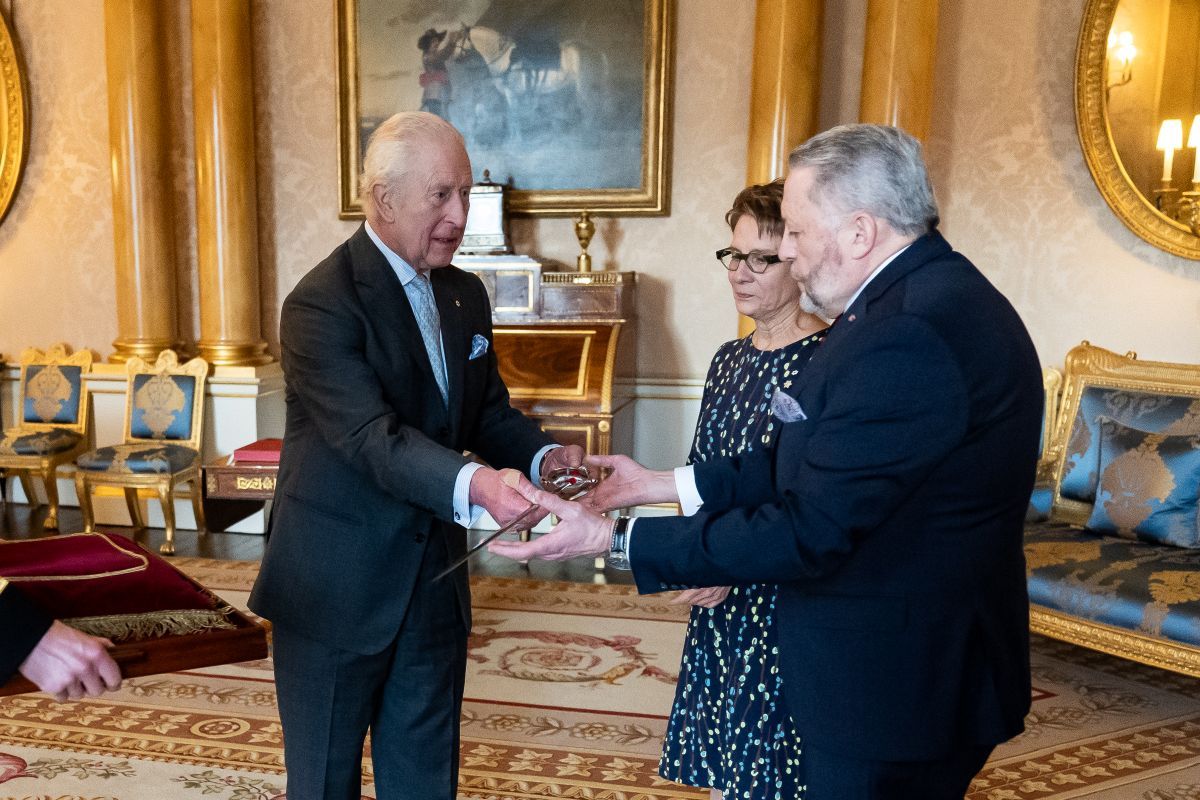
King Charles III bestows a new ceremonial sword to the Usher of the Black Rod of the Senate of Canada, Gregory Peters, with Speaker of the Senate of Canada, Raymonde Gagne present during an audience at Buckingham Palace on March 12, 2025 in London, England.
King Charles III bestows a new ceremonial sword to the Usher of the Black Rod of the Senate of Canada, Gregory Peters, with Speaker of the Senate of Canada, Raymonde Gagne present during an audience at Buckingham Palace on March 12, 2025 in London, England. Photo by Aaron Chown /Pool via Getty Images
OTTAWA — The Speaker of Canada’s Senate spent nearly $900,000 on travel since being named to the post three years ago.
Government documents made public by the Canadian Taxpayers Federation show Senate Speaker Raymonde Gagné’s office shelled out $875,677 for at least 14 international trips since her May 2023 appointment.
“It’s hard to imagine why an unelected senator should be travelling anywhere outside of the country on taxpayers’ dime, so Gagné billing taxpayers almost $1 million to fly around the world is completely unacceptable,” said CTF federal director Franco Terrazzano.
“Prime Minister Mark Carney needs to hold Gagné accountable and make sure senators aren’t globetrotting on the taxpayer credit card.”
Terrazzano pointed out the total cost of Gagné’s overseas trips is actually much higher because the records they unearthed are missing full costs for her trips to Chile, Tunisia and the Netherlands.
The records also provide no insight on reimbursements to taxpayers, if any.
Destinations include Benin, New Zealand, Spain
Gagné and her entourage traveled far and wide over the last three years.
These include a March 2024 trip to Africa, where they attended the opening of a regional stock exchange in Côte d’Ivoire before visiting tourist sites in Benin — at a cost of $101,816.
Later that year in September, Gagné brought a delegation to New Zealand for “business calls” to Christchurch and Wellington, and a photo op with the mayor of resort town Rotorua.
That trip cost taxpayers $118,965.
Gagné brought her entourage to Spain and the U.K. in March 2025, where she and Canada’s Usher of the Black Rod Gregory Peters received a ceremonial sword from the King at Buckingham Palace — a trip that cost $105,156.
March 2026 also saw Gagné pay a “courtesy call” to Japan’s Foreign Minister Toshimitsu Motegi, at a cost of $107,594.
Other locales visited by the speaker include the United States, South Africa, Belgium, Brazil, France, Romania, Czechia and Switzerland.
Her annual salary as speaker of the Senate is $268,300, a job that includes benefits such as car and residence allowances.
Gagné also spent big on meals, with records showing a $2,822 dinner for 12 at the Oxford and Cambridge Club in London, a $1,927 lunch in Madrid, and $1,408 for a 13-person luncheon in Bucharest, Romania.
Speaker has diplomatic duties, office states
“If Gagné wants to make a courtesy call to a Japanese politician, then she should pick up the phone instead of billing taxpayers six figures,” Terrazzano said.
“In what world is it acceptable for an unelected senator to bill taxpayers thousands of dollars for meals and receptions in Europe?”
In a statement to the Toronto Sun, Gagné’s office said the speakers of both the Senate and House of Commons have constitutionally-defined diplomatic roles, as they hold rank in Canada’s table of precedence — only outranked by the Governor General, the Prime Minister and the Chief Justice of the Supreme Court.
“As part of her constitutional and institutional responsibilities, the Speaker regularly hosts foreign leaders and delegations visiting Parliament and leads parliamentary delegations abroad to promote Canadian values and interests and strengthen interparliamentary relations,” the statement read.
“These official parliamentary missions are undertaken as part of the Speaker’s responsibilities and typically include other senators as members of the delegation.”
bpassifiume@postmedia.com
X: @bryanpassifiume
 torontosun.com
Raymonde Gagné took 14 overseas trips in her three years in the post, government documents show
Author of the article:Bryan Passifiume
Published Aug 12, 2026 • 3 minute read
King Charles III bestows a new ceremonial sword to the Usher of the Black Rod of the Senate of Canada, Gregory Peters, with Speaker of the Senate of Canada, Raymonde Gagne present during an audience at Buckingham Palace on March 12, 2025 in London, England.
King Charles III bestows a new ceremonial sword to the Usher of the Black Rod of the Senate of Canada, Gregory Peters, with Speaker of the Senate of Canada, Raymonde Gagne present during an audience at Buckingham Palace on March 12, 2025 in London, England. Photo by Aaron Chown /Pool via Getty Images
OTTAWA — The Speaker of Canada’s Senate spent nearly $900,000 on travel since being named to the post three years ago.
Government documents made public by the Canadian Taxpayers Federation show Senate Speaker Raymonde Gagné’s office shelled out $875,677 for at least 14 international trips since her May 2023 appointment.
“It’s hard to imagine why an unelected senator should be travelling anywhere outside of the country on taxpayers’ dime, so Gagné billing taxpayers almost $1 million to fly around the world is completely unacceptable,” said CTF federal director Franco Terrazzano.
“Prime Minister Mark Carney needs to hold Gagné accountable and make sure senators aren’t globetrotting on the taxpayer credit card.”
Terrazzano pointed out the total cost of Gagné’s overseas trips is actually much higher because the records they unearthed are missing full costs for her trips to Chile, Tunisia and the Netherlands.
The records also provide no insight on reimbursements to taxpayers, if any.
Destinations include Benin, New Zealand, Spain
Gagné and her entourage traveled far and wide over the last three years.
These include a March 2024 trip to Africa, where they attended the opening of a regional stock exchange in Côte d’Ivoire before visiting tourist sites in Benin — at a cost of $101,816.
Later that year in September, Gagné brought a delegation to New Zealand for “business calls” to Christchurch and Wellington, and a photo op with the mayor of resort town Rotorua.
That trip cost taxpayers $118,965.
Gagné brought her entourage to Spain and the U.K. in March 2025, where she and Canada’s Usher of the Black Rod Gregory Peters received a ceremonial sword from the King at Buckingham Palace — a trip that cost $105,156.
March 2026 also saw Gagné pay a “courtesy call” to Japan’s Foreign Minister Toshimitsu Motegi, at a cost of $107,594.
Other locales visited by the speaker include the United States, South Africa, Belgium, Brazil, France, Romania, Czechia and Switzerland.
Her annual salary as speaker of the Senate is $268,300, a job that includes benefits such as car and residence allowances.
Gagné also spent big on meals, with records showing a $2,822 dinner for 12 at the Oxford and Cambridge Club in London, a $1,927 lunch in Madrid, and $1,408 for a 13-person luncheon in Bucharest, Romania.
Speaker has diplomatic duties, office states
“If Gagné wants to make a courtesy call to a Japanese politician, then she should pick up the phone instead of billing taxpayers six figures,” Terrazzano said.
“In what world is it acceptable for an unelected senator to bill taxpayers thousands of dollars for meals and receptions in Europe?”
In a statement to the Toronto Sun, Gagné’s office said the speakers of both the Senate and House of Commons have constitutionally-defined diplomatic roles, as they hold rank in Canada’s table of precedence — only outranked by the Governor General, the Prime Minister and the Chief Justice of the Supreme Court.
“As part of her constitutional and institutional responsibilities, the Speaker regularly hosts foreign leaders and delegations visiting Parliament and leads parliamentary delegations abroad to promote Canadian values and interests and strengthen interparliamentary relations,” the statement read.
“These official parliamentary missions are undertaken as part of the Speaker’s responsibilities and typically include other senators as members of the delegation.”
bpassifiume@postmedia.com
X: @bryanpassifiume
Senate Speaker drops nearly $900K on world travel: Canadian Taxpayers Federation
Canadian Taxpayers Federation slams Red Chamber Speaker Raymonde Gagné over $875,677 in taxpayer-funded overseas trips. Find out more.
As Canadians struggle to put food on table, Carney and cabinet dine in Banff
With Canada's very economic future on the line, the prime minister is bringing his team to one of the most expensive and exclusive hotels to meet about affordability
Author of the article:Joe Warmington
Published Sep 09, 2026 • Last updated 17 hours ago • 4 minute read
Prime Minister Mark Carney speaks to journalists outside his office the day after the Liberals won three byelections, in Ottawa September 1, 2026. Photo by Blair Gable /Photo by Blair Gable / Postmedia
Let them eat nothing while Prime Minister Mark Carney and his cabinet dine out on the finest the Fairmont Banff Springs hotel serves.
All paid for by soon-to-be-wounded Canadian taxpayers.
“Discover our unique and creative cuisine against an incredible backdrop,” boasts the Fairmont Banff Springs website, while adding that the five-star resort is “home to Banff National Park’s best dining options, all of which truly capture the essence of our vibrant surroundings. Enjoy authentic Alberta beef, French and Italian classics, Bavarian gourmet, and much more at Canada’s Castle in the Rockies.”
With fancy cake and desserts on the menu too, Canada’s elected leadership will be feasting on exquisite cuisine. Thanks to an escalating trade war with President Donald J. Trump’s America, they discuss changing the very way regular, non-elite Canadians earn money to put food on their table in the best opulence Canada can offer. While Canadians struggle to make the mortgage or rent payments on their castles, the government that failed to make a trade agreement with the United States is meeting in luxury in a castle.
“Today, the Prime Minister, Mark Carney, announced that Canada’s government will hold a Cabinet Planning Forum in Banff, Alberta, from September 10 to 11, 2026,” says the PMO website. “The government is building Canada’s economic strength at home, diversifying partnerships abroad, and delivering for Canadians” and “have laid the foundations for a stronger, more resilient, and more prosperous Canada and put affordability at the centre of our agenda.”
The Fairmont Banff Springs Hotel in Banff, AB, west of Calgary on Friday, September 24, 2021. (Jim Wells/Postmedia) Jim Wells/Postmedia
Tuscany and Banff for Canada’s PM
While not as expensive as lodging can be in Tuscany, Italy, where Carney vacationed this summer, staying in that Canadian castle is certainly not affordable. Hopefully they got a special rate, but renting a room or hosting a conference does not come cheap. While booking sites say you can find a room there for $534 a night, the cheapest availability when trying to look for availability was in the $1,300 a night range on the low and $2,200 on average.
Renting the conference rooms and ordering the available dining menus are not cheap either. In fact, there is nowhere in Canada grander to hold a government meeting than where these people flying in there today are holding it. They could have these meetings in Ottawa where they all already have apartments and there is plenty of available space already paid for by Canadians.
Or have a Zoom call. Instead, they turned their retreat into a working vacation – at our expense at a time when people can’t pay their own bills, let alone fund people who represent the working class to swim in excess as the rich would do. Maybe it’s the high altitude blocking their judgement, or they just don’t care, but it is grossly offensive and offers an example of how out of touch the former Bank of Canada and Bank of England governor and his minions’ lack of caring about the people who pay the freight.
Meanwhile, Carney’s Canada is looking to a future that could see the end of the positive and quality economic partnership with the United States in favour of trying to replace it with the New World Order that is China, the United Arab Emirates and 18 other countries that Carney said he has entered into “trade and security” agreements with. Whoever they all are, and how they will replace American trade spoils many Canadians feel entitled to and have taken for granted, is not quite clear.
Parliament should be recalled to review deals
“For all of this, the prime minister should explain it all in parliament,” trade lawyer Mark Warner told the Toronto Sun, adding he believes this is the best way the public and experts can not only better understand the status of new agreements but also scrutinize them.
The fine print, he said, is always where the quality of deals is determined.
‘Playing with fire’
Carleton University Professor Dr. Ian Lee told the CBC that Canada is “playing with fire” with this approach and, like Warner, does not understand what is wrong with getting back to the negotiating table.
The House of Commons isn’t scheduled to sit until Sept 21. In the meantime, a fat cat cabinet retreat in the mountains that “will convene cabinet ministers and secretaries of State to take stock of progress and outline the next actions in the government’s plan” and “will hear from leading experts on the economy, Indigenous partnerships, and global affairs, and double down focus on delivering for Canadians in a rapidly changing world,” is not the same as sitting across from elected opposition members of parliament who are not supposed to cheerlead but challenge and probe.
The opposition is not invited up there to experience the amazing views and fine dining, nor is the press or public.
As Canadians wonder and, in many cases, worry about their future as a result of the “change” in direction the Liberal government is taking Canada in, the good news is Carney and his friends have a nice end-of-summer couple of days scheduled in a place where most citizens can’t afford to go and never will.
“Step through the doors of Fairmont Banff Springs and you’ll instantly feel the grandeur of Canada’s Castle in the Rockies,” says its site.
While not Tuscany, for Carney and team this week, it will have to do.

 pm.gc.ca
 torontosun.com
With Canada's very economic future on the line, the prime minister is bringing his team to one of the most expensive and exclusive hotels to meet about affordability
Author of the article:Joe Warmington
Published Sep 09, 2026 • Last updated 17 hours ago • 4 minute read
Prime Minister Mark Carney speaks to journalists outside his office the day after the Liberals won three byelections, in Ottawa September 1, 2026. Photo by Blair Gable /Photo by Blair Gable / Postmedia
Let them eat nothing while Prime Minister Mark Carney and his cabinet dine out on the finest the Fairmont Banff Springs hotel serves.
All paid for by soon-to-be-wounded Canadian taxpayers.
“Discover our unique and creative cuisine against an incredible backdrop,” boasts the Fairmont Banff Springs website, while adding that the five-star resort is “home to Banff National Park’s best dining options, all of which truly capture the essence of our vibrant surroundings. Enjoy authentic Alberta beef, French and Italian classics, Bavarian gourmet, and much more at Canada’s Castle in the Rockies.”
With fancy cake and desserts on the menu too, Canada’s elected leadership will be feasting on exquisite cuisine. Thanks to an escalating trade war with President Donald J. Trump’s America, they discuss changing the very way regular, non-elite Canadians earn money to put food on their table in the best opulence Canada can offer. While Canadians struggle to make the mortgage or rent payments on their castles, the government that failed to make a trade agreement with the United States is meeting in luxury in a castle.
“Today, the Prime Minister, Mark Carney, announced that Canada’s government will hold a Cabinet Planning Forum in Banff, Alberta, from September 10 to 11, 2026,” says the PMO website. “The government is building Canada’s economic strength at home, diversifying partnerships abroad, and delivering for Canadians” and “have laid the foundations for a stronger, more resilient, and more prosperous Canada and put affordability at the centre of our agenda.”
The Fairmont Banff Springs Hotel in Banff, AB, west of Calgary on Friday, September 24, 2021. (Jim Wells/Postmedia) Jim Wells/Postmedia
Tuscany and Banff for Canada’s PM
While not as expensive as lodging can be in Tuscany, Italy, where Carney vacationed this summer, staying in that Canadian castle is certainly not affordable. Hopefully they got a special rate, but renting a room or hosting a conference does not come cheap. While booking sites say you can find a room there for $534 a night, the cheapest availability when trying to look for availability was in the $1,300 a night range on the low and $2,200 on average.
Renting the conference rooms and ordering the available dining menus are not cheap either. In fact, there is nowhere in Canada grander to hold a government meeting than where these people flying in there today are holding it. They could have these meetings in Ottawa where they all already have apartments and there is plenty of available space already paid for by Canadians.
Or have a Zoom call. Instead, they turned their retreat into a working vacation – at our expense at a time when people can’t pay their own bills, let alone fund people who represent the working class to swim in excess as the rich would do. Maybe it’s the high altitude blocking their judgement, or they just don’t care, but it is grossly offensive and offers an example of how out of touch the former Bank of Canada and Bank of England governor and his minions’ lack of caring about the people who pay the freight.
Meanwhile, Carney’s Canada is looking to a future that could see the end of the positive and quality economic partnership with the United States in favour of trying to replace it with the New World Order that is China, the United Arab Emirates and 18 other countries that Carney said he has entered into “trade and security” agreements with. Whoever they all are, and how they will replace American trade spoils many Canadians feel entitled to and have taken for granted, is not quite clear.
Parliament should be recalled to review deals
“For all of this, the prime minister should explain it all in parliament,” trade lawyer Mark Warner told the Toronto Sun, adding he believes this is the best way the public and experts can not only better understand the status of new agreements but also scrutinize them.
The fine print, he said, is always where the quality of deals is determined.
‘Playing with fire’
Carleton University Professor Dr. Ian Lee told the CBC that Canada is “playing with fire” with this approach and, like Warner, does not understand what is wrong with getting back to the negotiating table.
The House of Commons isn’t scheduled to sit until Sept 21. In the meantime, a fat cat cabinet retreat in the mountains that “will convene cabinet ministers and secretaries of State to take stock of progress and outline the next actions in the government’s plan” and “will hear from leading experts on the economy, Indigenous partnerships, and global affairs, and double down focus on delivering for Canadians in a rapidly changing world,” is not the same as sitting across from elected opposition members of parliament who are not supposed to cheerlead but challenge and probe.
The opposition is not invited up there to experience the amazing views and fine dining, nor is the press or public.
As Canadians wonder and, in many cases, worry about their future as a result of the “change” in direction the Liberal government is taking Canada in, the good news is Carney and his friends have a nice end-of-summer couple of days scheduled in a place where most citizens can’t afford to go and never will.
“Step through the doors of Fairmont Banff Springs and you’ll instantly feel the grandeur of Canada’s Castle in the Rockies,” says its site.
While not Tuscany, for Carney and team this week, it will have to do.
Prime Minister Carney to hold fall Cabinet Planning Forum focused on building with greater speed and ambition
Since forming government, the Prime Minister has advanced a clear and consistent plan. The government is building Canada’s economic strength at home, diversifying partnerships abroad, and delivering for Canadians.
WARMINGTON: As Canadians struggle to put food on table, Carney and cabinet dine in Banff
Carney and his friends live the highlife in the Rocky Mountains while the people who pay for their retreat worry about their future. Read on

Of course they are . Entitled to their entitlements , it is the Liberal way .As Canadians struggle to put food on table, Carney and cabinet dine in Banff
With Canada's very economic future on the line, the prime minister is bringing his team to one of the most expensive and exclusive hotels to meet about affordability
Author of the article:Joe Warmington
Published Sep 09, 2026 • Last updated 17 hours ago • 4 minute read
Prime Minister Mark Carney speaks to journalists outside his office the day after the Liberals won three byelections, in Ottawa September 1, 2026. Photo by Blair Gable /Photo by Blair Gable / Postmedia
Let them eat nothing while Prime Minister Mark Carney and his cabinet dine out on the finest the Fairmont Banff Springs hotel serves.
All paid for by soon-to-be-wounded Canadian taxpayers.
“Discover our unique and creative cuisine against an incredible backdrop,” boasts the Fairmont Banff Springs website, while adding that the five-star resort is “home to Banff National Park’s best dining options, all of which truly capture the essence of our vibrant surroundings. Enjoy authentic Alberta beef, French and Italian classics, Bavarian gourmet, and much more at Canada’s Castle in the Rockies.”
With fancy cake and desserts on the menu too, Canada’s elected leadership will be feasting on exquisite cuisine. Thanks to an escalating trade war with President Donald J. Trump’s America, they discuss changing the very way regular, non-elite Canadians earn money to put food on their table in the best opulence Canada can offer. While Canadians struggle to make the mortgage or rent payments on their castles, the government that failed to make a trade agreement with the United States is meeting in luxury in a castle.
“Today, the Prime Minister, Mark Carney, announced that Canada’s government will hold a Cabinet Planning Forum in Banff, Alberta, from September 10 to 11, 2026,” says the PMO website. “The government is building Canada’s economic strength at home, diversifying partnerships abroad, and delivering for Canadians” and “have laid the foundations for a stronger, more resilient, and more prosperous Canada and put affordability at the centre of our agenda.”
The Fairmont Banff Springs Hotel in Banff, AB, west of Calgary on Friday, September 24, 2021. (Jim Wells/Postmedia) Jim Wells/Postmedia
Tuscany and Banff for Canada’s PM
While not as expensive as lodging can be in Tuscany, Italy, where Carney vacationed this summer, staying in that Canadian castle is certainly not affordable. Hopefully they got a special rate, but renting a room or hosting a conference does not come cheap. While booking sites say you can find a room there for $534 a night, the cheapest availability when trying to look for availability was in the $1,300 a night range on the low and $2,200 on average.
Renting the conference rooms and ordering the available dining menus are not cheap either. In fact, there is nowhere in Canada grander to hold a government meeting than where these people flying in there today are holding it. They could have these meetings in Ottawa where they all already have apartments and there is plenty of available space already paid for by Canadians.
Or have a Zoom call. Instead, they turned their retreat into a working vacation – at our expense at a time when people can’t pay their own bills, let alone fund people who represent the working class to swim in excess as the rich would do. Maybe it’s the high altitude blocking their judgement, or they just don’t care, but it is grossly offensive and offers an example of how out of touch the former Bank of Canada and Bank of England governor and his minions’ lack of caring about the people who pay the freight.
Meanwhile, Carney’s Canada is looking to a future that could see the end of the positive and quality economic partnership with the United States in favour of trying to replace it with the New World Order that is China, the United Arab Emirates and 18 other countries that Carney said he has entered into “trade and security” agreements with. Whoever they all are, and how they will replace American trade spoils many Canadians feel entitled to and have taken for granted, is not quite clear.
Parliament should be recalled to review deals
“For all of this, the prime minister should explain it all in parliament,” trade lawyer Mark Warner told the Toronto Sun, adding he believes this is the best way the public and experts can not only better understand the status of new agreements but also scrutinize them.
The fine print, he said, is always where the quality of deals is determined.
‘Playing with fire’
Carleton University Professor Dr. Ian Lee told the CBC that Canada is “playing with fire” with this approach and, like Warner, does not understand what is wrong with getting back to the negotiating table.
The House of Commons isn’t scheduled to sit until Sept 21. In the meantime, a fat cat cabinet retreat in the mountains that “will convene cabinet ministers and secretaries of State to take stock of progress and outline the next actions in the government’s plan” and “will hear from leading experts on the economy, Indigenous partnerships, and global affairs, and double down focus on delivering for Canadians in a rapidly changing world,” is not the same as sitting across from elected opposition members of parliament who are not supposed to cheerlead but challenge and probe.
The opposition is not invited up there to experience the amazing views and fine dining, nor is the press or public.
As Canadians wonder and, in many cases, worry about their future as a result of the “change” in direction the Liberal government is taking Canada in, the good news is Carney and his friends have a nice end-of-summer couple of days scheduled in a place where most citizens can’t afford to go and never will.
“Step through the doors of Fairmont Banff Springs and you’ll instantly feel the grandeur of Canada’s Castle in the Rockies,” says its site.
While not Tuscany, for Carney and team this week, it will have to do.
Prime Minister Carney to hold fall Cabinet Planning Forum focused on building with greater speed and ambition
Since forming government, the Prime Minister has advanced a clear and consistent plan. The government is building Canada’s economic strength at home, diversifying partnerships abroad, and delivering for Canadians.WARMINGTON: As Canadians struggle to put food on table, Carney and cabinet dine in Banff
Carney and his friends live the highlife in the Rocky Mountains while the people who pay for their retreat worry about their future. Read on
Candidate aghast at $500Gs bill for 'field with fence' dog park
A candidate for council says he was told that spending half a million dollars to fence in a dog park is 'just the way it is' at Toronto City Hall
Author of the article:Justin Holmes
Published Sep 12, 2026 • Last updated 11 hours ago • 4 minute read
The Starspray Blvd. dog park site and plans
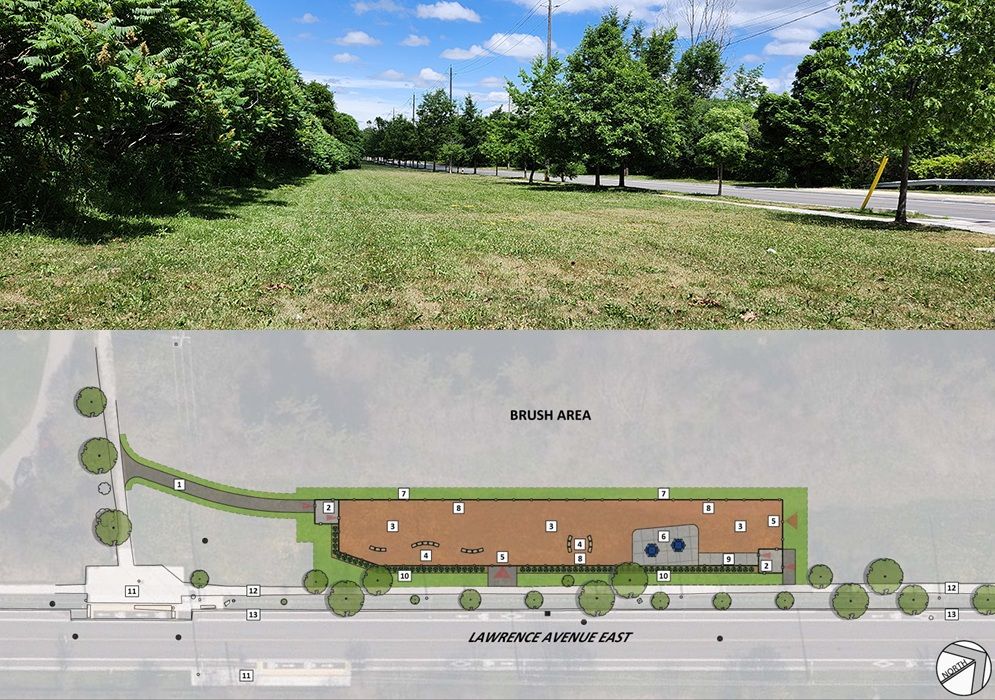
Toronto City Hall is spending a half-million dollars to turn a field at Lawrence Ave. E and Starspray Blvd., at top, into an off-leash dog park, depicted in the plans at bottom. Photo by City of Toronto images
How do you spend half a million dollars fencing in a field?
Shawn Allen thinks City Hall has a spending problem, and his first, best example is the new off-leash dog park at Lawrence Ave. E and Starspray Blvd. – east of Port Union Rd. He wants to be the next city councillor for Scarborough-Rouge Park, and for him the project has been something of a crash course in Toronto politics.
“It’s a field with a fence. We’re paying for a fence. That’s what it is,” Allen told the Toronto Sun.
“We’re paying to fence in a space – I think it’s 800 square metres, if I’m not mistaken – and we’re paying half a million dollars for that. And the majority of the cost is consulting fees, mobilization fees, arborists, geotechnical engineers, all these things.
“Why do we need a geotechnical engineer to put a fence around grass? The dogs were running along the grass perfectly fine before they put up the dog park. Why can’t the dogs run along the grass and just fence it in?”
City Hall hasn’t provided an answer for the “why.” While the park was designed with input from residents in Scarborough-Rouge Park ward, the plan never went before committee to be scrutinized by city councillors and the public.
The city wouldn’t confirm the project’s $500,000 price when asked by the Sun. The only official number comes from a motion by the incumbent councillor, Neethan Shan, to redirect $200,000 in funding for improvements from a nearby park, the Royal Rouge Tot Lot, to the off-leash area.
Allen said he’s confident in the price because of a conversation with the project coordinator.
“I asked her. She laughed about it!” Allen said.
“I said, why does it cost 500,000? She’s like, ha ha, that’s just the way it is. I go, what do you mean that’s just the way it is, ha-ha-ha?
“We gotta figure this out. This city’s going broke.”
Shawn Allen
Scarborough native Shawn Allen is running for city council in Ward 25.
‘What’s the priority?’
In a statement, City Hall said construction at both the dog park and the Royal Rouge Tot Lot should be complete this fall. A final project cost and name for the dog park are still to come.
The city did not address questions about what the redirection of funds means for the Tot Lot, Allen’s conversation with the planning official or why a dog park would need a six-figure budget.
Allen said he’s a dog owner and is in favour of off-leash parks – “but I’m just looking at the cost.”
“For 500,000, you could house 108 people at $2,200 a month, so what’s the priority?”
Shan redirected the Tot Lot funds with a member’s motion during May’s City Council meeting. While councillors can debate such motions, they typically draw little attention and this one passed with a quick show of hands.
In an emailed statement, Shan focused less on the off-leash park and more on the Tot Lot improvements, which had a $300,000 budget – but got $530,000 in funding.
Shan said he secured money from a playground enhancement program to pay for more amenities, including an accessible picnic table, a fitness pod and more play features. That funding allowed him to send the $200,000, from a pool of what’s known as Section 37 money, to the dog park budget. (While the Sun asked why a dog park would need a half-million-dollar budget, Shan did not address this in his statement.)
“The kids didn’t get less money, they got more,” Shan wrote. “We listened to the community, improved the original plan and secured more investment to deliver more for residents.”
Neethan Shan hits the streets
Neethan Shan is running for re-election in Scarborough-Rouge Park. Photo by Neethan Shan via Facebook
Scarborough’s ‘progressive champion’
Shan’s a rookie councillor but a veteran politician.
He spent years as a school board trustee in both York Region and Toronto, then briefly served as city councillor for Scarborough-Rouge River, winning a 2017 byelection in what was Ward 42 in the city’s former 44-ward model.
The ward map was redrawn, and he narrowly lost to Jennifer McKelvie in 2018’s election. When McKelvie left last year for Parliament, Shan won another byelection, while Allen placed third.
The left-wing advocacy group Progress Toronto – founded by Mayor Olivia Chow’s political lieutenant Michal Hay – endorsed Shan last year, hailing him as a “progressive champion.”
But Allen said constituents tell him that Shan is hard to get ahold of. He said City Hall is failing to provide Toronto with “value of service.”
“The city is a corporation,” Allen said. “We have all these school board trustees as executives on the board of something that they’re not familiar with.”
Allen was born and raised in Scarborough, and has run a mortgage brokerage for about two decades. Times are tight for many Torontonians, and Allen thinks City Hall isn’t helping.
“We have food bank lines wrapped around the corner in West Hill. People are hungry,” he said.
“People have mortgage arrears, people have tax arrears and the mayor’s committed to raising property taxes next year at the rate of inflation. Well, we’re still catching up from the 20% you raised it over the past three years, so now you’re going to put people behind the 8-ball even more … We can’t ask homeowners to find savings when the city’s not doing the same.”
jholmes@postmedia.com

 progresstoronto.ca

 toronto.ca
 torontosun.com
A candidate for council says he was told that spending half a million dollars to fence in a dog park is 'just the way it is' at Toronto City Hall
Author of the article:Justin Holmes
Published Sep 12, 2026 • Last updated 11 hours ago • 4 minute read
The Starspray Blvd. dog park site and plans
Toronto City Hall is spending a half-million dollars to turn a field at Lawrence Ave. E and Starspray Blvd., at top, into an off-leash dog park, depicted in the plans at bottom. Photo by City of Toronto images
How do you spend half a million dollars fencing in a field?
Shawn Allen thinks City Hall has a spending problem, and his first, best example is the new off-leash dog park at Lawrence Ave. E and Starspray Blvd. – east of Port Union Rd. He wants to be the next city councillor for Scarborough-Rouge Park, and for him the project has been something of a crash course in Toronto politics.
“It’s a field with a fence. We’re paying for a fence. That’s what it is,” Allen told the Toronto Sun.
“We’re paying to fence in a space – I think it’s 800 square metres, if I’m not mistaken – and we’re paying half a million dollars for that. And the majority of the cost is consulting fees, mobilization fees, arborists, geotechnical engineers, all these things.
“Why do we need a geotechnical engineer to put a fence around grass? The dogs were running along the grass perfectly fine before they put up the dog park. Why can’t the dogs run along the grass and just fence it in?”
City Hall hasn’t provided an answer for the “why.” While the park was designed with input from residents in Scarborough-Rouge Park ward, the plan never went before committee to be scrutinized by city councillors and the public.
The city wouldn’t confirm the project’s $500,000 price when asked by the Sun. The only official number comes from a motion by the incumbent councillor, Neethan Shan, to redirect $200,000 in funding for improvements from a nearby park, the Royal Rouge Tot Lot, to the off-leash area.
Allen said he’s confident in the price because of a conversation with the project coordinator.
“I asked her. She laughed about it!” Allen said.
“I said, why does it cost 500,000? She’s like, ha ha, that’s just the way it is. I go, what do you mean that’s just the way it is, ha-ha-ha?
“We gotta figure this out. This city’s going broke.”
Shawn Allen
Scarborough native Shawn Allen is running for city council in Ward 25.
‘What’s the priority?’
In a statement, City Hall said construction at both the dog park and the Royal Rouge Tot Lot should be complete this fall. A final project cost and name for the dog park are still to come.
The city did not address questions about what the redirection of funds means for the Tot Lot, Allen’s conversation with the planning official or why a dog park would need a six-figure budget.
Allen said he’s a dog owner and is in favour of off-leash parks – “but I’m just looking at the cost.”
“For 500,000, you could house 108 people at $2,200 a month, so what’s the priority?”
Shan redirected the Tot Lot funds with a member’s motion during May’s City Council meeting. While councillors can debate such motions, they typically draw little attention and this one passed with a quick show of hands.
In an emailed statement, Shan focused less on the off-leash park and more on the Tot Lot improvements, which had a $300,000 budget – but got $530,000 in funding.
Shan said he secured money from a playground enhancement program to pay for more amenities, including an accessible picnic table, a fitness pod and more play features. That funding allowed him to send the $200,000, from a pool of what’s known as Section 37 money, to the dog park budget. (While the Sun asked why a dog park would need a half-million-dollar budget, Shan did not address this in his statement.)
“The kids didn’t get less money, they got more,” Shan wrote. “We listened to the community, improved the original plan and secured more investment to deliver more for residents.”
Neethan Shan hits the streets
Neethan Shan is running for re-election in Scarborough-Rouge Park. Photo by Neethan Shan via Facebook
Scarborough’s ‘progressive champion’
Shan’s a rookie councillor but a veteran politician.
He spent years as a school board trustee in both York Region and Toronto, then briefly served as city councillor for Scarborough-Rouge River, winning a 2017 byelection in what was Ward 42 in the city’s former 44-ward model.
The ward map was redrawn, and he narrowly lost to Jennifer McKelvie in 2018’s election. When McKelvie left last year for Parliament, Shan won another byelection, while Allen placed third.
The left-wing advocacy group Progress Toronto – founded by Mayor Olivia Chow’s political lieutenant Michal Hay – endorsed Shan last year, hailing him as a “progressive champion.”
But Allen said constituents tell him that Shan is hard to get ahold of. He said City Hall is failing to provide Toronto with “value of service.”
“The city is a corporation,” Allen said. “We have all these school board trustees as executives on the board of something that they’re not familiar with.”
Allen was born and raised in Scarborough, and has run a mortgage brokerage for about two decades. Times are tight for many Torontonians, and Allen thinks City Hall isn’t helping.
“We have food bank lines wrapped around the corner in West Hill. People are hungry,” he said.
“People have mortgage arrears, people have tax arrears and the mayor’s committed to raising property taxes next year at the rate of inflation. Well, we’re still catching up from the 20% you raised it over the past three years, so now you’re going to put people behind the 8-ball even more … We can’t ask homeowners to find savings when the city’s not doing the same.”
jholmes@postmedia.com
Elect a Progressive Champion - Neethan Shan — Progress Toronto
Progress Toronto is campaigning to elect a Progressive Champion to City Council in the Scarborough—Rouge Park by-election being held on September 29, 2025. This is our chance to elect a progressive voice in Scarborough! With just weeks till election day, we need to act fast.
progresstoronto.ca
New Off-Leash Area at Lawrence Avenue East & Starspray Boulevard
Construction of the new off-leash area will take place from the third week of August to October 2026. The City is adding a new off-leash area for dogs to the open space on the north side of Lawrence Avenue East and Starspray Boulevard. The off-leash area design will be determined through...
toronto.ca
Candidate aghast at $500Gs bill for 'field with fence' dog park
A candidate for council says he was told that spending $500,000 to fence in a dog park is “just the way it is” at City Hall. Read more.
Hey, she doesn't care. It's not HER money!! (even tho' it technically is unless she doesn't pay taxes). Disgusting & truly disturbing she doesn't seem to care.Candidate aghast at $500Gs bill for 'field with fence' dog park
A candidate for council says he was told that spending half a million dollars to fence in a dog park is 'just the way it is' at Toronto City Hall
Author of the article:Justin Holmes
Published Sep 12, 2026 • Last updated 11 hours ago • 4 minute read
The Starspray Blvd. dog park site and plans
Toronto City Hall is spending a half-million dollars to turn a field at Lawrence Ave. E and Starspray Blvd., at top, into an off-leash dog park, depicted in the plans at bottom. Photo by City of Toronto images
How do you spend half a million dollars fencing in a field?
Shawn Allen thinks City Hall has a spending problem, and his first, best example is the new off-leash dog park at Lawrence Ave. E and Starspray Blvd. – east of Port Union Rd. He wants to be the next city councillor for Scarborough-Rouge Park, and for him the project has been something of a crash course in Toronto politics.
“It’s a field with a fence. We’re paying for a fence. That’s what it is,” Allen told the Toronto Sun.
“We’re paying to fence in a space – I think it’s 800 square metres, if I’m not mistaken – and we’re paying half a million dollars for that. And the majority of the cost is consulting fees, mobilization fees, arborists, geotechnical engineers, all these things.
“Why do we need a geotechnical engineer to put a fence around grass? The dogs were running along the grass perfectly fine before they put up the dog park. Why can’t the dogs run along the grass and just fence it in?”
City Hall hasn’t provided an answer for the “why.” While the park was designed with input from residents in Scarborough-Rouge Park ward, the plan never went before committee to be scrutinized by city councillors and the public.
The city wouldn’t confirm the project’s $500,000 price when asked by the Sun. The only official number comes from a motion by the incumbent councillor, Neethan Shan, to redirect $200,000 in funding for improvements from a nearby park, the Royal Rouge Tot Lot, to the off-leash area.
Allen said he’s confident in the price because of a conversation with the project coordinator.
“I asked her. She laughed about it!” Allen said.
“I said, why does it cost 500,000? She’s like, ha ha, that’s just the way it is. I go, what do you mean that’s just the way it is, ha-ha-ha?
“We gotta figure this out. This city’s going broke.”
Shawn Allen
Scarborough native Shawn Allen is running for city council in Ward 25.
‘What’s the priority?’
In a statement, City Hall said construction at both the dog park and the Royal Rouge Tot Lot should be complete this fall. A final project cost and name for the dog park are still to come.
The city did not address questions about what the redirection of funds means for the Tot Lot, Allen’s conversation with the planning official or why a dog park would need a six-figure budget.
Allen said he’s a dog owner and is in favour of off-leash parks – “but I’m just looking at the cost.”
“For 500,000, you could house 108 people at $2,200 a month, so what’s the priority?”
Shan redirected the Tot Lot funds with a member’s motion during May’s City Council meeting. While councillors can debate such motions, they typically draw little attention and this one passed with a quick show of hands.
In an emailed statement, Shan focused less on the off-leash park and more on the Tot Lot improvements, which had a $300,000 budget – but got $530,000 in funding.
Shan said he secured money from a playground enhancement program to pay for more amenities, including an accessible picnic table, a fitness pod and more play features. That funding allowed him to send the $200,000, from a pool of what’s known as Section 37 money, to the dog park budget. (While the Sun asked why a dog park would need a half-million-dollar budget, Shan did not address this in his statement.)
“The kids didn’t get less money, they got more,” Shan wrote. “We listened to the community, improved the original plan and secured more investment to deliver more for residents.”
Neethan Shan hits the streets
Neethan Shan is running for re-election in Scarborough-Rouge Park. Photo by Neethan Shan via Facebook
Scarborough’s ‘progressive champion’
Shan’s a rookie councillor but a veteran politician.
He spent years as a school board trustee in both York Region and Toronto, then briefly served as city councillor for Scarborough-Rouge River, winning a 2017 byelection in what was Ward 42 in the city’s former 44-ward model.
The ward map was redrawn, and he narrowly lost to Jennifer McKelvie in 2018’s election. When McKelvie left last year for Parliament, Shan won another byelection, while Allen placed third.
The left-wing advocacy group Progress Toronto – founded by Mayor Olivia Chow’s political lieutenant Michal Hay – endorsed Shan last year, hailing him as a “progressive champion.”
But Allen said constituents tell him that Shan is hard to get ahold of. He said City Hall is failing to provide Toronto with “value of service.”
“The city is a corporation,” Allen said. “We have all these school board trustees as executives on the board of something that they’re not familiar with.”
Allen was born and raised in Scarborough, and has run a mortgage brokerage for about two decades. Times are tight for many Torontonians, and Allen thinks City Hall isn’t helping.
“We have food bank lines wrapped around the corner in West Hill. People are hungry,” he said.
“People have mortgage arrears, people have tax arrears and the mayor’s committed to raising property taxes next year at the rate of inflation. Well, we’re still catching up from the 20% you raised it over the past three years, so now you’re going to put people behind the 8-ball even more … We can’t ask homeowners to find savings when the city’s not doing the same.”
jholmes@postmedia.com
Elect a Progressive Champion - Neethan Shan — Progress Toronto
Progress Toronto is campaigning to elect a Progressive Champion to City Council in the Scarborough—Rouge Park by-election being held on September 29, 2025. This is our chance to elect a progressive voice in Scarborough! With just weeks till election day, we need to act fast.New Off-Leash Area at Lawrence Avenue East & Starspray Boulevard
Construction of the new off-leash area will take place from the third week of August to October 2026. The City is adding a new off-leash area for dogs to the open space on the north side of Lawrence Avenue East and Starspray Boulevard. The off-leash area design will be determined through...Candidate aghast at $500Gs bill for 'field with fence' dog park
A candidate for council says he was told that spending $500,000 to fence in a dog park is “just the way it is” at City Hall. Read more.

I axed AICandidate aghast at $500Gs bill for 'field with fence' dog park
A candidate for council says he was told that spending half a million dollars to fence in a dog park is 'just the way it is' at Toronto City Hall
Author of the article:Justin Holmes
Published Sep 12, 2026 • Last updated 11 hours ago • 4 minute read
The Starspray Blvd. dog park site and plans
Toronto City Hall is spending a half-million dollars to turn a field at Lawrence Ave. E and Starspray Blvd., at top, into an off-leash dog park, depicted in the plans at bottom. Photo by City of Toronto images
How do you spend half a million dollars fencing in a field?
Shawn Allen thinks City Hall has a spending problem, and his first, best example is the new off-leash dog park at Lawrence Ave. E and Starspray Blvd. – east of Port Union Rd. He wants to be the next city councillor for Scarborough-Rouge Park, and for him the project has been something of a crash course in Toronto politics.
“It’s a field with a fence. We’re paying for a fence. That’s what it is,” Allen told the Toronto Sun.
“We’re paying to fence in a space – I think it’s 800 square metres, if I’m not mistaken – and we’re paying half a million dollars for that. And the majority of the cost is consulting fees, mobilization fees, arborists, geotechnical engineers, all these things.
“Why do we need a geotechnical engineer to put a fence around grass? The dogs were running along the grass perfectly fine before they put up the dog park. Why can’t the dogs run along the grass and just fence it in?”
City Hall hasn’t provided an answer for the “why.” While the park was designed with input from residents in Scarborough-Rouge Park ward, the plan never went before committee to be scrutinized by city councillors and the public.
The city wouldn’t confirm the project’s $500,000 price when asked by the Sun. The only official number comes from a motion by the incumbent councillor, Neethan Shan, to redirect $200,000 in funding for improvements from a nearby park, the Royal Rouge Tot Lot, to the off-leash area.
Allen said he’s confident in the price because of a conversation with the project coordinator.
“I asked her. She laughed about it!” Allen said.
“I said, why does it cost 500,000? She’s like, ha ha, that’s just the way it is. I go, what do you mean that’s just the way it is, ha-ha-ha?
“We gotta figure this out. This city’s going broke.”
Shawn Allen
Scarborough native Shawn Allen is running for city council in Ward 25.
‘What’s the priority?’
In a statement, City Hall said construction at both the dog park and the Royal Rouge Tot Lot should be complete this fall. A final project cost and name for the dog park are still to come.
The city did not address questions about what the redirection of funds means for the Tot Lot, Allen’s conversation with the planning official or why a dog park would need a six-figure budget.
Allen said he’s a dog owner and is in favour of off-leash parks – “but I’m just looking at the cost.”
“For 500,000, you could house 108 people at $2,200 a month, so what’s the priority?”
Shan redirected the Tot Lot funds with a member’s motion during May’s City Council meeting. While councillors can debate such motions, they typically draw little attention and this one passed with a quick show of hands.
In an emailed statement, Shan focused less on the off-leash park and more on the Tot Lot improvements, which had a $300,000 budget – but got $530,000 in funding.
Shan said he secured money from a playground enhancement program to pay for more amenities, including an accessible picnic table, a fitness pod and more play features. That funding allowed him to send the $200,000, from a pool of what’s known as Section 37 money, to the dog park budget. (While the Sun asked why a dog park would need a half-million-dollar budget, Shan did not address this in his statement.)
“The kids didn’t get less money, they got more,” Shan wrote. “We listened to the community, improved the original plan and secured more investment to deliver more for residents.”
Neethan Shan hits the streets
Neethan Shan is running for re-election in Scarborough-Rouge Park. Photo by Neethan Shan via Facebook
Scarborough’s ‘progressive champion’
Shan’s a rookie councillor but a veteran politician.
He spent years as a school board trustee in both York Region and Toronto, then briefly served as city councillor for Scarborough-Rouge River, winning a 2017 byelection in what was Ward 42 in the city’s former 44-ward model.
The ward map was redrawn, and he narrowly lost to Jennifer McKelvie in 2018’s election. When McKelvie left last year for Parliament, Shan won another byelection, while Allen placed third.
The left-wing advocacy group Progress Toronto – founded by Mayor Olivia Chow’s political lieutenant Michal Hay – endorsed Shan last year, hailing him as a “progressive champion.”
But Allen said constituents tell him that Shan is hard to get ahold of. He said City Hall is failing to provide Toronto with “value of service.”
“The city is a corporation,” Allen said. “We have all these school board trustees as executives on the board of something that they’re not familiar with.”
Allen was born and raised in Scarborough, and has run a mortgage brokerage for about two decades. Times are tight for many Torontonians, and Allen thinks City Hall isn’t helping.
“We have food bank lines wrapped around the corner in West Hill. People are hungry,” he said.
“People have mortgage arrears, people have tax arrears and the mayor’s committed to raising property taxes next year at the rate of inflation. Well, we’re still catching up from the 20% you raised it over the past three years, so now you’re going to put people behind the 8-ball even more … We can’t ask homeowners to find savings when the city’s not doing the same.”
jholmes@postmedia.com
Elect a Progressive Champion - Neethan Shan — Progress Toronto
Progress Toronto is campaigning to elect a Progressive Champion to City Council in the Scarborough—Rouge Park by-election being held on September 29, 2025. This is our chance to elect a progressive voice in Scarborough! With just weeks till election day, we need to act fast.New Off-Leash Area at Lawrence Avenue East & Starspray Boulevard
Construction of the new off-leash area will take place from the third week of August to October 2026. The City is adding a new off-leash area for dogs to the open space on the north side of Lawrence Avenue East and Starspray Boulevard. The off-leash area design will be determined through...Candidate aghast at $500Gs bill for 'field with fence' dog park
A candidate for council says he was told that spending $500,000 to fence in a dog park is “just the way it is” at City Hall. Read more.
Approximately how much to fence in 800sq meters with 5ft chain link fence in Toronto Canada
For 800 sq meters (assuming roughly square, ~28.3m per side), you'd need about 113 meters (371 linear feet) of fencing to enclose it.
Estimated cost: ~$7,500 – $14,500 CAD installed
Toronto sits at the higher end of Canadian pricing due to labour rates — chain link fence installation in Canada typically runs $15 to $45 per linear foot installed, with the total installed price falling between $15 to $45 per linear foot as a standard range across the country.
Given Toronto's premium and a 5 ft height (above the 4 ft "standard," which pushes costs up), figure roughly $20–$39 per linear foot for your project:
371 ft × $20/ft ≈ $7,400
371 ft × $39/ft ≈ $14,500
What moves you up or down that range:
6-foot heights increase costs by 25-35 percent over 4 ft — 5 ft lands somewhere in between, so budget a modest bump over base pricing
Vinyl-coated chain link adds $2 to $4 per linear foot over plain galvanized
Gates, corner posts, uneven terrain, or removing an old fence all add to the total
Most municipalities require permits for fences over 1m (3.28ft) — since 5 ft clears that, factor in permit time (budget 7-10 days for approval) and cost
DIY materials-only would run roughly $3-$12/ft, cutting the total to around $1,100–$4,500, but labour is 40 to 60% of total fence cost so you'd be doing most of the work yourself
Want me to break this down by rectangle dimensions instead of assuming a square lot, or check current permit requirements for Toronto specifically?

But you aren’t factoring kickbacks to council and perks to bureaucrats .kI axed AI
Approximately how much to fence in 800sq meters with 5ft chain link fence in Toronto Canada
For 800 sq meters (assuming roughly square, ~28.3m per side), you'd need about 113 meters (371 linear feet) of fencing to enclose it.
Estimated cost: ~$7,500 – $14,500 CAD installed
Toronto sits at the higher end of Canadian pricing due to labour rates — chain link fence installation in Canada typically runs $15 to $45 per linear foot installed, with the total installed price falling between $15 to $45 per linear foot as a standard range across the country.
Given Toronto's premium and a 5 ft height (above the 4 ft "standard," which pushes costs up), figure roughly $20–$39 per linear foot for your project:
371 ft × $20/ft ≈ $7,400
371 ft × $39/ft ≈ $14,500
What moves you up or down that range:
6-foot heights increase costs by 25-35 percent over 4 ft — 5 ft lands somewhere in between, so budget a modest bump over base pricing
Vinyl-coated chain link adds $2 to $4 per linear foot over plain galvanized
Gates, corner posts, uneven terrain, or removing an old fence all add to the total
Most municipalities require permits for fences over 1m (3.28ft) — since 5 ft clears that, factor in permit time (budget 7-10 days for approval) and cost
DIY materials-only would run roughly $3-$12/ft, cutting the total to around $1,100–$4,500, but labour is 40 to 60% of total fence cost so you'd be doing most of the work yourself
Want me to break this down by rectangle dimensions instead of assuming a square lot, or check current permit requirements for Toronto specifically?
There is $485000 factored...enough for 30 more dog parks.But you aren’t factoring kickbacks to council and perks to bureaucrats .k
Fed's $1.4B research grants include studying low-carbon video games, Justin Trudeau's speeches: CTF
'Studies about climate comics and the state of Canadian dance floors don’t sound like studies that matter most to Canadians like the government claims,' says Franco Terrazzano
Author of the article:Ling Hui
Published Sep 17, 2026 • 2 minute read
Canadian flag in front on Parliament
A Canadian flag flies in front of the peace tower on Parliament Hill in Ottawa, Canada on Dec. 4, 2015, as part of the ceremonies to the start Canada's 42nd parliament. Photo by GEOFF ROBINS /AFP via Getty Images
The federal government’s Social Sciences and Humanities Research Council (SSHRC) is spending an estimated $1.4 billion this year on research grants.
According to the Canadian Taxpayers Federation, topics include Arctic climate comics, Justin Trudeau’s speeches, and the state of Canadian dance floors.
The SSHRC typically awards thousands of grants and fellowships a year as part of its mandate to promote post-secondary research and training in the sector, which, according to its website, involves funding research that provides “insights on the issues that matter most to Canadians.”
Ottawa's research grants cost taxpayers $1.4 billion.
Ottawa’s research grants cost taxpayers $1.4 billion. Toronto Sun
On Wednesday, the advocacy group published findings from its analysis of federal grant data, slamming the government agency for providing research dollars on several topics it deemed frivolous and a waste of taxpayer money.
“Studies about climate comics and the state of Canadian dance floors don’t sound like studies that matter most to Canadians like the government claims,” CTF federal director Franco Terrazzano said in a press release.
“A government that can find $30,987 for temple brewers in ancient Mesopotamia can find savings for Canadian taxpayers,” he added, referring to a grant given to a University of Toronto researcher to study “struggling temple brewers in sixth century BCE Mesopotamia.”
Thousands given to ‘low-carbon video game’ study
The CTF also listed other examples of questionable grants, like the $37,275 awarded to Alberta University of the Arts professor Kara Stone for a study titled “Greenhouse: Low-Carbon Game Jam.”
Three years ago, Stone built a solar-powered server on her apartment balcony to host her video games, though she told The Guardian newspaper at the time that the server is inaccessible to players during dark, cloudy weather.
The CTF also noted that the SSHRC also awarded $43,693 to a University of Ottawa prof to study the “contested meaning” in former prime minister Justin Trudeau’s official speeches, while $78,623 was given to a TELUQ University prof to study the “state of the dancefloor in Canada.”
Group questions funding studies on topics outside of Canada
The CTF analysis also noted that the SSHRC is funding at least 50 research projects focused on topics in other countries that cost taxpayers nearly $3.9 million, leading it to question how funding such studies would help it fulfil its mandate to Canadians.
It highlighted other examples including a $93,467 grant to fund a Queen’s University prof’s project to create a digital edition of a 1908 book about Sri Lankan art, and another costing $65,833 for a Universite de Montreal prof’s study of “Western-style confectionery in modern Japan and beyond.”
Terrazzano criticized the federal agency, calling it “little more than a subsidy for academics to work on their pet projects that nobody else will read,” adding that taxpayers should not be forced to pay for studies that nobody would voluntarily pay for.
The CTF also noted that the agency’s $1.4 billion is on top of the $18 billion the federal government sends to the provinces through the Canada Social Transfer each year.
According to the SSHRC’s website, it processes more than 13,000 applications each year, with grants and fellowships “awarded through an independent merit review process” involving more than 1,000 volunteer peer reviewers.
Last year, it awarded more than 5,000 new grants and fellowships.
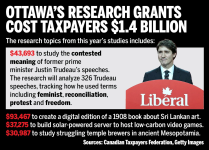

 theguardian.com

 taxpayer.com

 torontosun.com
'Studies about climate comics and the state of Canadian dance floors don’t sound like studies that matter most to Canadians like the government claims,' says Franco Terrazzano
Author of the article:Ling Hui
Published Sep 17, 2026 • 2 minute read
Canadian flag in front on Parliament
A Canadian flag flies in front of the peace tower on Parliament Hill in Ottawa, Canada on Dec. 4, 2015, as part of the ceremonies to the start Canada's 42nd parliament. Photo by GEOFF ROBINS /AFP via Getty Images
The federal government’s Social Sciences and Humanities Research Council (SSHRC) is spending an estimated $1.4 billion this year on research grants.
According to the Canadian Taxpayers Federation, topics include Arctic climate comics, Justin Trudeau’s speeches, and the state of Canadian dance floors.
The SSHRC typically awards thousands of grants and fellowships a year as part of its mandate to promote post-secondary research and training in the sector, which, according to its website, involves funding research that provides “insights on the issues that matter most to Canadians.”
Ottawa's research grants cost taxpayers $1.4 billion.
Ottawa’s research grants cost taxpayers $1.4 billion. Toronto Sun
On Wednesday, the advocacy group published findings from its analysis of federal grant data, slamming the government agency for providing research dollars on several topics it deemed frivolous and a waste of taxpayer money.
“Studies about climate comics and the state of Canadian dance floors don’t sound like studies that matter most to Canadians like the government claims,” CTF federal director Franco Terrazzano said in a press release.
“A government that can find $30,987 for temple brewers in ancient Mesopotamia can find savings for Canadian taxpayers,” he added, referring to a grant given to a University of Toronto researcher to study “struggling temple brewers in sixth century BCE Mesopotamia.”
Thousands given to ‘low-carbon video game’ study
The CTF also listed other examples of questionable grants, like the $37,275 awarded to Alberta University of the Arts professor Kara Stone for a study titled “Greenhouse: Low-Carbon Game Jam.”
Three years ago, Stone built a solar-powered server on her apartment balcony to host her video games, though she told The Guardian newspaper at the time that the server is inaccessible to players during dark, cloudy weather.
The CTF also noted that the SSHRC also awarded $43,693 to a University of Ottawa prof to study the “contested meaning” in former prime minister Justin Trudeau’s official speeches, while $78,623 was given to a TELUQ University prof to study the “state of the dancefloor in Canada.”
Group questions funding studies on topics outside of Canada
The CTF analysis also noted that the SSHRC is funding at least 50 research projects focused on topics in other countries that cost taxpayers nearly $3.9 million, leading it to question how funding such studies would help it fulfil its mandate to Canadians.
It highlighted other examples including a $93,467 grant to fund a Queen’s University prof’s project to create a digital edition of a 1908 book about Sri Lankan art, and another costing $65,833 for a Universite de Montreal prof’s study of “Western-style confectionery in modern Japan and beyond.”
Terrazzano criticized the federal agency, calling it “little more than a subsidy for academics to work on their pet projects that nobody else will read,” adding that taxpayers should not be forced to pay for studies that nobody would voluntarily pay for.
The CTF also noted that the agency’s $1.4 billion is on top of the $18 billion the federal government sends to the provinces through the Canada Social Transfer each year.
According to the SSHRC’s website, it processes more than 13,000 applications each year, with grants and fellowships “awarded through an independent merit review process” involving more than 1,000 volunteer peer reviewers.
Last year, it awarded more than 5,000 new grants and fellowships.
Can video games change people’s minds about the climate crisis?
A new wave of game makers are attempting to influence a generation of environmentally conscious players. Will it work, and is it enough?
Mesopotamian brewers, Canadian dancefloors and Trudeau’s speeches: Inside Ottawa’s 2026 research grants
Ancient temple brewers, Arctic climate comics, low-carbon videogames and Justin Trudeau’s speeches: These are among the research topics the government is funding this year, according to a Canadian Taxpayers Federation analysis of federal grant data.
Fed's $1.4B research grants include studying low-carbon video games, Justin Trudeau's speeches: CTF
The federal government's Social Sciences and Humanities Research Council is spending $1.4 billion this year on research grants. Read more.

GeezView attachment 35701
Can video games change people’s minds about the climate crisis?
A new wave of game makers are attempting to influence a generation of environmentally conscious players. Will it work, and is it enough?Mesopotamian brewers, Canadian dancefloors and Trudeau’s speeches: Inside Ottawa’s 2026 research grants
Ancient temple brewers, Arctic climate comics, low-carbon videogames and Justin Trudeau’s speeches: These are among the research topics the government is funding this year, according to a Canadian Taxpayers Federation analysis of federal grant data.Fed's $1.4B research grants include studying low-carbon video games, Justin Trudeau's speeches: CTF
The federal government's Social Sciences and Humanities Research Council is spending $1.4 billion this year on research grants. Read more.
That money would have been better spent on sex change operations for the IDF or the IRGC, or zalensky's private nuclear powered yacht.
Carney's $600-million cheque for broken Palestinian promises
A year after recognizing Palestine, none of the conditions have been met, but the money keeps flowing
Author of the article:Brian Lilley
Published Sep 23, 2026 • 3 minute read
Mark Carney in Ottawa
Prime Minister Mark Carney speaks at a press conference in Ottawa, on Aug.22, 2026, after trade talks with the U.S. collapsed. Photo by Dave Chan /AFP via Getty Images
The biggest announcement Mark Carney made in New York this week at the UN General Assembly was giving $100 million to the Palestinian cause. This brings Canada’s total contributions to this cause to $600 million since October 2023.
That’s not my calculation — that’s the boast of the Carney government.
That’s right: after the bloodiest day for Jews since the Holocaust, Canada’s Liberal government turned on the funding taps, not to help the Israelis who were attacked, but for Hamas, who launched the attacks. This started under the government of Prime Minister Justin Trudeau, but it has not changed or improved under Prime Minister Carney.
Follow the money
In fiscal year 2024-25, Canada gave $167 million to the Palestinian cause. Compare that to five years earlier, before the terror attacks, when Canada spent just $46.4 million on aid to the region.
Included in that $167 million is more than $60 million to UNRWA, the United Nations Relief and Works Agency. That sounds like a nice agency to work through, to donate money to. They are clearly helping people, right?
For years there have been documented ties between UNRWA and Hamas, along with other terrorist groups. That’s problematic because UNRWA operates schools, social services and health facilities, at times allowing Hamas to hide munitions or have access to its tunnel network from UNRWA facilities.
UNRWA runs schools with teaching that promotes hatred of Israel and Jews, promotes antisemitism and glorifies violence. Canadian taxpayers support these schools and what they preach, just like we continue to support the Palestinian Authority, which pays pensions to people arrested and jailed for killing Jews.
Promises, promises
Despite promises to change when Canada recognized a Palestinian state at last year’s meeting of the UN General Assembly, the promises of the Palestinian Authority have largely gone unfulfilled.
Sadly, Mark Carney’s taxpayer-funded chequebook continues to operate.
Carney told Canadians that prior to providing recognition of a Palestinian state, Palestinian Authority leader Mahmoud Abbas had assured him of sweeping changes. He promised elections, an end to “pay for slay,” reform of the education system and more.
While there have been some local council elections, those are far from complete. In November, there are plans for elections for the legislative assembly, but whether those go ahead remains to be seen.
Presidential elections, which haven’t been held since 2006, aren’t scheduled until sometime next year rather than the promised 2026.
Attempts to ban Hamas and Palestinian Islamic Jihad from the elections appear to be falling by the wayside, and neither terrorist group has disarmed despite promises to do so.
“It is imperative that Hamas release all hostages, fully disarm, and play no role in the future governance of Palestine,” Carney said last year.
Hamas still has their guns and yet, here come Canada and Mark Carney with another $100 million.
It’s sad and it’s sickening.
Even UNRWA admits it
Earlier this summer, UNRWA fired 70 employees for their alleged involvement with Hamas. When UNRWA is acknowledging what Canada refuses to recognize — the ties to the terrorist group — there is a problem.
The Harper government cut funding to UNRWA over concerns about ties to terrorism back in 2010. It kept the same level of funding for the region and just sent the money to other organizations with a better track record of keeping the terrorists at bay.
The Trudeau government revived funding for UNRWA, claiming improvements in the organization. The connections between UNRWA workers and the Oct. 7, 2023, terror attacks clearly show those improvements weren’t real.
Still, despite knowing about these connections, the Liberals under both Trudeau and Carney have never actually stopped funding, save for a brief pause in early 2024 that never even stopped or delayed a single payment.
Now Carney is stepping forward with another $100 million despite none of his conditions from a year ago being met.
Canadians would be right to be cautious, skeptical and even angry about this funding.
Carney told the UN this week that “the world can count on Canada.” Hamas and the Palestinian Authority certainly can. Canadian taxpayers are just the ones picking up the tab.

 jpost.com
 pm.gc.ca
pm.gc.ca
pm.gc.ca
 torontosun.com
A year after recognizing Palestine, none of the conditions have been met, but the money keeps flowing
Author of the article:Brian Lilley
Published Sep 23, 2026 • 3 minute read
Mark Carney in Ottawa
Prime Minister Mark Carney speaks at a press conference in Ottawa, on Aug.22, 2026, after trade talks with the U.S. collapsed. Photo by Dave Chan /AFP via Getty Images
The biggest announcement Mark Carney made in New York this week at the UN General Assembly was giving $100 million to the Palestinian cause. This brings Canada’s total contributions to this cause to $600 million since October 2023.
That’s not my calculation — that’s the boast of the Carney government.
That’s right: after the bloodiest day for Jews since the Holocaust, Canada’s Liberal government turned on the funding taps, not to help the Israelis who were attacked, but for Hamas, who launched the attacks. This started under the government of Prime Minister Justin Trudeau, but it has not changed or improved under Prime Minister Carney.
Follow the money
In fiscal year 2024-25, Canada gave $167 million to the Palestinian cause. Compare that to five years earlier, before the terror attacks, when Canada spent just $46.4 million on aid to the region.
Included in that $167 million is more than $60 million to UNRWA, the United Nations Relief and Works Agency. That sounds like a nice agency to work through, to donate money to. They are clearly helping people, right?
For years there have been documented ties between UNRWA and Hamas, along with other terrorist groups. That’s problematic because UNRWA operates schools, social services and health facilities, at times allowing Hamas to hide munitions or have access to its tunnel network from UNRWA facilities.
UNRWA runs schools with teaching that promotes hatred of Israel and Jews, promotes antisemitism and glorifies violence. Canadian taxpayers support these schools and what they preach, just like we continue to support the Palestinian Authority, which pays pensions to people arrested and jailed for killing Jews.
Promises, promises
Despite promises to change when Canada recognized a Palestinian state at last year’s meeting of the UN General Assembly, the promises of the Palestinian Authority have largely gone unfulfilled.
Sadly, Mark Carney’s taxpayer-funded chequebook continues to operate.
Carney told Canadians that prior to providing recognition of a Palestinian state, Palestinian Authority leader Mahmoud Abbas had assured him of sweeping changes. He promised elections, an end to “pay for slay,” reform of the education system and more.
While there have been some local council elections, those are far from complete. In November, there are plans for elections for the legislative assembly, but whether those go ahead remains to be seen.
Presidential elections, which haven’t been held since 2006, aren’t scheduled until sometime next year rather than the promised 2026.
Attempts to ban Hamas and Palestinian Islamic Jihad from the elections appear to be falling by the wayside, and neither terrorist group has disarmed despite promises to do so.
“It is imperative that Hamas release all hostages, fully disarm, and play no role in the future governance of Palestine,” Carney said last year.
Hamas still has their guns and yet, here come Canada and Mark Carney with another $100 million.
It’s sad and it’s sickening.
Even UNRWA admits it
Earlier this summer, UNRWA fired 70 employees for their alleged involvement with Hamas. When UNRWA is acknowledging what Canada refuses to recognize — the ties to the terrorist group — there is a problem.
The Harper government cut funding to UNRWA over concerns about ties to terrorism back in 2010. It kept the same level of funding for the region and just sent the money to other organizations with a better track record of keeping the terrorists at bay.
The Trudeau government revived funding for UNRWA, claiming improvements in the organization. The connections between UNRWA workers and the Oct. 7, 2023, terror attacks clearly show those improvements weren’t real.
Still, despite knowing about these connections, the Liberals under both Trudeau and Carney have never actually stopped funding, save for a brief pause in early 2024 that never even stopped or delayed a single payment.
Now Carney is stepping forward with another $100 million despite none of his conditions from a year ago being met.
Canadians would be right to be cautious, skeptical and even angry about this funding.
Carney told the UN this week that “the world can count on Canada.” Hamas and the Palestinian Authority certainly can. Canadian taxpayers are just the ones picking up the tab.
Canada announces 100 million dollars in aid for Palestinian territories | The Jerusalem Post
The funding assistance brings Canada’s total contribution to $500 million for the Palestinian territories.
jpost.com
Statement by Prime Minister Carney on Canada’s recognition of the State of Palestine
Since 1947, it has been the policy of every Canadian government to support a two-state solution for lasting peace in the Middle East.
Prime Minister Carney advances collective security, climate, and peace priorities at the 81st United Nations General Assembly
This week, the Prime Minister, Mark Carney, attended the 81st Session of the United Nations General Assembly (UNGA).
LILLEY: Carney's $600-million cheque for broken Palestinian promises
Carney's latest $100-million pledge rewards a Palestinian Authority that hasn't delivered

Surprisingly not surprised.Carney's $600-million cheque for broken Palestinian promises
A year after recognizing Palestine, none of the conditions have been met, but the money keeps flowing
Author of the article:Brian Lilley
Published Sep 23, 2026 • 3 minute read
Mark Carney in Ottawa
Prime Minister Mark Carney speaks at a press conference in Ottawa, on Aug.22, 2026, after trade talks with the U.S. collapsed. Photo by Dave Chan /AFP via Getty Images
The biggest announcement Mark Carney made in New York this week at the UN General Assembly was giving $100 million to the Palestinian cause. This brings Canada’s total contributions to this cause to $600 million since October 2023.
That’s not my calculation — that’s the boast of the Carney government.
That’s right: after the bloodiest day for Jews since the Holocaust, Canada’s Liberal government turned on the funding taps, not to help the Israelis who were attacked, but for Hamas, who launched the attacks. This started under the government of Prime Minister Justin Trudeau, but it has not changed or improved under Prime Minister Carney.
Follow the money
In fiscal year 2024-25, Canada gave $167 million to the Palestinian cause. Compare that to five years earlier, before the terror attacks, when Canada spent just $46.4 million on aid to the region.
Included in that $167 million is more than $60 million to UNRWA, the United Nations Relief and Works Agency. That sounds like a nice agency to work through, to donate money to. They are clearly helping people, right?
For years there have been documented ties between UNRWA and Hamas, along with other terrorist groups. That’s problematic because UNRWA operates schools, social services and health facilities, at times allowing Hamas to hide munitions or have access to its tunnel network from UNRWA facilities.
UNRWA runs schools with teaching that promotes hatred of Israel and Jews, promotes antisemitism and glorifies violence. Canadian taxpayers support these schools and what they preach, just like we continue to support the Palestinian Authority, which pays pensions to people arrested and jailed for killing Jews.
Promises, promises
Despite promises to change when Canada recognized a Palestinian state at last year’s meeting of the UN General Assembly, the promises of the Palestinian Authority have largely gone unfulfilled.
Sadly, Mark Carney’s taxpayer-funded chequebook continues to operate.
Carney told Canadians that prior to providing recognition of a Palestinian state, Palestinian Authority leader Mahmoud Abbas had assured him of sweeping changes. He promised elections, an end to “pay for slay,” reform of the education system and more.
While there have been some local council elections, those are far from complete. In November, there are plans for elections for the legislative assembly, but whether those go ahead remains to be seen.
Presidential elections, which haven’t been held since 2006, aren’t scheduled until sometime next year rather than the promised 2026.
Attempts to ban Hamas and Palestinian Islamic Jihad from the elections appear to be falling by the wayside, and neither terrorist group has disarmed despite promises to do so.
“It is imperative that Hamas release all hostages, fully disarm, and play no role in the future governance of Palestine,” Carney said last year.
Hamas still has their guns and yet, here come Canada and Mark Carney with another $100 million.
It’s sad and it’s sickening.
Even UNRWA admits it
Earlier this summer, UNRWA fired 70 employees for their alleged involvement with Hamas. When UNRWA is acknowledging what Canada refuses to recognize — the ties to the terrorist group — there is a problem.
The Harper government cut funding to UNRWA over concerns about ties to terrorism back in 2010. It kept the same level of funding for the region and just sent the money to other organizations with a better track record of keeping the terrorists at bay.
The Trudeau government revived funding for UNRWA, claiming improvements in the organization. The connections between UNRWA workers and the Oct. 7, 2023, terror attacks clearly show those improvements weren’t real.
Still, despite knowing about these connections, the Liberals under both Trudeau and Carney have never actually stopped funding, save for a brief pause in early 2024 that never even stopped or delayed a single payment.
Now Carney is stepping forward with another $100 million despite none of his conditions from a year ago being met.
Canadians would be right to be cautious, skeptical and even angry about this funding.
Carney told the UN this week that “the world can count on Canada.” Hamas and the Palestinian Authority certainly can. Canadian taxpayers are just the ones picking up the tab.
Canada announces 100 million dollars in aid for Palestinian territories | The Jerusalem Post
The funding assistance brings Canada’s total contribution to $500 million for the Palestinian territories.Statement by Prime Minister Carney on Canada’s recognition of the State of Palestine
Since 1947, it has been the policy of every Canadian government to support a two-state solution for lasting peace in the Middle East.Prime Minister Carney advances collective security, climate, and peace priorities at the 81st United Nations General Assembly
This week, the Prime Minister, Mark Carney, attended the 81st Session of the United Nations General Assembly (UNGA).LILLEY: Carney's $600-million cheque for broken Palestinian promises
Carney's latest $100-million pledge rewards a Palestinian Authority that hasn't delivered
Ford needs to tackle Ontario’s worsening debt problem
Ontario’s Financial Accountability Office painted a grim picture of the provincial government’s finances for the next five years in a recently released report.
Author of the article:Noah Jarvis
Published Sep 24, 2026 • Last updated 16 hours ago • 3 minute read
Ontario Premier Doug Ford is pictured speaking to reporters in Charlottetown on Tuesday, July 21, 2026.
Ontario Premier Doug Ford is pictured speaking to reporters in Charlottetown on Tuesday, July 21, 2026. Photo by TIM KROCHAK /Postmedia Network
The Ontario government continues to borrow billions while taxpayers are paying for soaring debt interest charges.
But Ontario politicians are treating the debt like someone in desperate need of a haircut — ignoring the problem while it continues to grow.
The solution is to pull out some scissors and make some cuts.
Ontario’s Financial Accountability Office painted a grim picture of the provincial government’s finances for the next five years in a recently released report.
The fastest-growing expense in the Ontario budget is the government’s debt interest charges, not an essential service taxpayers actually rely on.
Debt interest charges are projected to rise 8% every year for the foreseeable future, according to the budget watchdog’s summer report.
Taxpayers are already shelling out $17.2 billion in debt interest charges this year. That’s about $1,060 for every Ontarian. Those interest charges are projected to hit $24 billion by 2030-31 — $2 billion every month.
That $24 billion is enough to build 945 schools or cut the provincial portion of the HST in half.
Instead, $1,450 for every Ontarian will be funnelled to bond fund managers by 2030-31, even after accounting for population growth.
Taxpayers paying rising debt interest charges
Taxpayers can’t afford to pay higher debt interest charges while life gets more expensive.
When debt interest charges rise, the government has less money for productive uses, like cutting taxes.
About 46% of Ontarians say they are $200 or less away from financial ruin every month. The government should be helping Ontarians by cutting their taxes to lower the cost of living, but interest charges make that harder.
Taxpayers are paying for rising debt interest charges because politicians of all political stripes have been borrowing billions of dollars every year for two decades.
For two decades, Liberal and Progressive Conservative premiers alike have borrowed heavily — McGuinty, Wynne and now Ford.
Ontario government debt stood at $156.6 billion 20 years ago, or $12,240 in per-person debt for every Ontarian. It has since tripled to $485 billion, or $29,887 in per-person debt.
The debt has tripled in 20 years because the government has a spending problem.
Government revenues have grown by 122.7% since 2007, much faster than the rate of inflation plus population growth. However, politicians ratcheted up spending by 135.9%, squandering the opportunity to stop borrowing.
Spending problem not fixing itself
Almost every household knows that spending more than you earn every month is a bad idea. Yet this common-sense principle seems to escape Ontario politicians.
And the spending problem isn’t going to fix itself.
The Ford government is on track to increase spending by 3.2% a year for the next five years despite revenue growing at a slower pace, according to the Financial Accountability Office.
That will drive government debt up to nearly $600 billion by 2030-31.
The cost of ignoring the debt problem is growing and taxpayers are the ones paying the price.
Ford needs to start tackling rising debt. And now’s the time to act.
Waste-cutting needs to start from top
Legislators will return to Queen’s Park next month and the Ford government will table its fall economic statement soon after. Ford can start addressing the government’s debt problem as soon as this fall by cutting wasteful government spending.
Cutting waste needs to start from the top. Ford can start by cutting the size of his cabinet which has ballooned from 21 ministers to 37, all of whom take an extra salary from taxpayers.
Ford shouldn’t just stop at political welfare for Progressive Conservative MPPs. Ford should end political welfare for all Ontario politicians by axing the per-vote subsidy program that funnels $12 million from taxpayers to political parties every year.
And taxpayers shouldn’t be paying $11.9 billion a year on corporate welfare handouts to big multinationals. Ending corporate welfare would go a long way towards ending the debt dive.
Ignoring rising debt might be easier for politicians. But taxpayers are left paying the bill. Ford needs to pick up some scissors and get to cutting before things get ugly.
— Noah Jarvis is the Ontario Director of the Canadian Taxpayers Federation
 elections.on.ca

 fao-on.org

 mnpdebt.ca
 data.ontario.ca
 news.ontario.ca
 torontosun.com
Ontario’s Financial Accountability Office painted a grim picture of the provincial government’s finances for the next five years in a recently released report.
Author of the article:Noah Jarvis
Published Sep 24, 2026 • Last updated 16 hours ago • 3 minute read
Ontario Premier Doug Ford is pictured speaking to reporters in Charlottetown on Tuesday, July 21, 2026.
Ontario Premier Doug Ford is pictured speaking to reporters in Charlottetown on Tuesday, July 21, 2026. Photo by TIM KROCHAK /Postmedia Network
The Ontario government continues to borrow billions while taxpayers are paying for soaring debt interest charges.
But Ontario politicians are treating the debt like someone in desperate need of a haircut — ignoring the problem while it continues to grow.
The solution is to pull out some scissors and make some cuts.
Ontario’s Financial Accountability Office painted a grim picture of the provincial government’s finances for the next five years in a recently released report.
The fastest-growing expense in the Ontario budget is the government’s debt interest charges, not an essential service taxpayers actually rely on.
Debt interest charges are projected to rise 8% every year for the foreseeable future, according to the budget watchdog’s summer report.
Taxpayers are already shelling out $17.2 billion in debt interest charges this year. That’s about $1,060 for every Ontarian. Those interest charges are projected to hit $24 billion by 2030-31 — $2 billion every month.
That $24 billion is enough to build 945 schools or cut the provincial portion of the HST in half.
Instead, $1,450 for every Ontarian will be funnelled to bond fund managers by 2030-31, even after accounting for population growth.
Taxpayers paying rising debt interest charges
Taxpayers can’t afford to pay higher debt interest charges while life gets more expensive.
When debt interest charges rise, the government has less money for productive uses, like cutting taxes.
About 46% of Ontarians say they are $200 or less away from financial ruin every month. The government should be helping Ontarians by cutting their taxes to lower the cost of living, but interest charges make that harder.
Taxpayers are paying for rising debt interest charges because politicians of all political stripes have been borrowing billions of dollars every year for two decades.
For two decades, Liberal and Progressive Conservative premiers alike have borrowed heavily — McGuinty, Wynne and now Ford.
Ontario government debt stood at $156.6 billion 20 years ago, or $12,240 in per-person debt for every Ontarian. It has since tripled to $485 billion, or $29,887 in per-person debt.
The debt has tripled in 20 years because the government has a spending problem.
Government revenues have grown by 122.7% since 2007, much faster than the rate of inflation plus population growth. However, politicians ratcheted up spending by 135.9%, squandering the opportunity to stop borrowing.
Spending problem not fixing itself
Almost every household knows that spending more than you earn every month is a bad idea. Yet this common-sense principle seems to escape Ontario politicians.
And the spending problem isn’t going to fix itself.
The Ford government is on track to increase spending by 3.2% a year for the next five years despite revenue growing at a slower pace, according to the Financial Accountability Office.
That will drive government debt up to nearly $600 billion by 2030-31.
The cost of ignoring the debt problem is growing and taxpayers are the ones paying the price.
Ford needs to start tackling rising debt. And now’s the time to act.
Waste-cutting needs to start from top
Legislators will return to Queen’s Park next month and the Ford government will table its fall economic statement soon after. Ford can start addressing the government’s debt problem as soon as this fall by cutting wasteful government spending.
Cutting waste needs to start from the top. Ford can start by cutting the size of his cabinet which has ballooned from 21 ministers to 37, all of whom take an extra salary from taxpayers.
Ford shouldn’t just stop at political welfare for Progressive Conservative MPPs. Ford should end political welfare for all Ontario politicians by axing the per-vote subsidy program that funnels $12 million from taxpayers to political parties every year.
And taxpayers shouldn’t be paying $11.9 billion a year on corporate welfare handouts to big multinationals. Ending corporate welfare would go a long way towards ending the debt dive.
Ignoring rising debt might be easier for politicians. But taxpayers are left paying the bill. Ford needs to pick up some scissors and get to cutting before things get ugly.
— Noah Jarvis is the Ontario Director of the Canadian Taxpayers Federation
Quarterly Allowances
The Chief Electoral Officer shall determine, for each quarter of a calendar year, an allowance payable to a registered party.
Economic and Budget Outlook, Summer 2026 - Financial Accountability Office of Ontario %
This report provides the FAO’s outlook for Ontario’s economy and finances over the 2025-26 to 2030-31 period.
MNP Consumer Debt Index: Ontarians caught in pre-spent paycheque cycle amid sustained cost pressures
According to the latest MNP Consumer Debt Index, more than three in five Ontarians (63%) say at least half of their income is already committed to bills, debt payments, and regular expenses before it arrives.
Population projections - Ontario MOF Population Projections - Ontario Data Catalogue
Find public data and explore 2964 datasets published by the Government of Ontario.
Ontario Newsroom
news.ontario.ca
JARVIS: Ford needs to tackle Ontario’s worsening debt problem
The fastest-growing expense in the Ontario budget is the government’s debt interest charges. Read on.
Ottawa hospitals 'underused' as private clinics receive millions: report
An Ontario Health Coalition report says operating rooms and diagnostic equipment are being underused in city hospitals like Ottawa.
Author of the article:Sabrina Bedford
Published Sep 24, 2026 • Last updated 12 hours ago • 4 minute read
Queensway Carleton has two MRIs. One closes overnight, while the other closes at 3 p.m. on weekdays and is closed on weekends.
Queensway Carleton has two MRIs. One closes overnight, while the other closes at 3 p.m. on weekdays and is closed on weekends. Photo by Ashley Fraser /POSTMEDIA
Operating rooms and diagnostic equipment in Ottawa’s hospitals are being underused while the province sends millions of dollars to private clinics, a new report claims.
The Ontario Health Coalition report takes aim at the provincial government’s shift in recent years to fund private surgical and diagnostic clinics instead of keeping that money in the public hospital system amid a growing backlog of patients awaiting treatment.
“Local public hospitals already have the facilities: operating rooms and MRIs are sitting unused in local public hospitals because they are not given adequate funding to run them full time,” says the report, written by the health coalition’s executive director, Natalie Mehra.
“Furthermore, the evidence is that the for-profit clinics have not reduced wait times for the majority, serving mostly a minority of high-income people while actually lengthening waits for the majority of patients.”
The Ontario government said last year it would pay $155 million to private businesses to open 57 MRI, CT and endoscopy clinics. It’s part of a growing movement by the province to privatize certain medical procedures, including endoscopic, cataract, and orthopedic surgeries, in an effort to reduce wait times.
Several clinics in Ottawa have been licensed to perform these surgeries in recent years, including the Herzig Eye Institute, Focus Eye Centre and the Academic Orthopaedic Surgical Associates of Ottawa, a private, stand-alone surgical centre that originated at The Ottawa Hospital.
The coalition said Premier Doug Ford opened the doors to private surgeries and diagnostic scans when he took office, a move his government claimed would help address wait times. But it led to less funding and fewer operating hours for public hospitals, the report said.
In Ottawa, they compiled data that showed the city has at least 10 MRI machines across its network of hospitals. Most of them close overnight — one at 3 p.m. — and shut down on weekends. City hospitals also have dozens of operating rooms, most of which close by 5 p.m. and on weekends, the report said.
If given the proper funding, hospitals could expand their hours of operation and perform the procedures being done at private clinics for far less money, it adds.
Kevin Skerrett, a researcher and executive at the Ottawa Health Coalition, said the move was part of an overall strategy of the provincial government to create a private health-care system.
“What we’ve seen is a systematic bias against properly maintaining and funding our public health-care system and our public hospital system in favour of funding and supporting and encouraging the emergence of health care as a private business,” Skerrett said.
The move toward privatization ramped up in 2021, the report said, when the province began allowing private clinics to provide some of Ontario’s core public hospital services, including surgeries and diagnostic imaging.
Over the next five years, the government increased public funding and resources to establish new private clinics and bolster existing ones, citing a need to lower wait times. But wait times haven’t gone down, the coalition said, and in some cases people are paying out of pocket for medically necessary treatments and being upsold on procedures they may not need.
“I think (the Ford government has) an ideological preference for health care as a business, so they fund private health-care provisions and starve our public hospital system.”
The Ontario government refuted the claims in the report. A spokesperson for the Ministry of Health called the health coalition’s claims “entirely misguided.”
“Ontario is proud to have one of the largest publicly funded health-care systems in the world, investing a record $101 billion this year alone, a 64 per cent increase from 2018, to connect more people to the care they need when they need it,” spokesperson Lily Barnes said in a statement.
She said the government had increased funding for the hospital sector by a four per cent this year, for the third year in a row.
“This is in addition to the over $60 billion we are investing to get shovels in the ground for over 60 hospital development projects, that will add 3,000 new hospital beds across the province, the 50 new MRI and CT machines we have added in hospitals, the 20,000 new doctors and 100,000 new nurses we added since 2018, the support we have given to hospitals to reduce surgical backlogs increasing of publicly funded, same-day hip and knee surgeries by 4,260 per cent and 5,840 per cent respectively and, the $3.4 billion we are investing to connect every person to primary care by 2029.”
The coalition said that, while the private clinics were being given hundreds of millions of dollars in public money, local public hospitals had been funded at less than the rate of inflation and population growth, which they described as “real-dollar cuts.”
“Our argument is, many of these problems of wait-lists and shortages and personnel and staffing shortages could be addressed by simply funding our system at the average level,” Skerrett said.
 torontosun.com
An Ontario Health Coalition report says operating rooms and diagnostic equipment are being underused in city hospitals like Ottawa.
Author of the article:Sabrina Bedford
Published Sep 24, 2026 • Last updated 12 hours ago • 4 minute read
Queensway Carleton has two MRIs. One closes overnight, while the other closes at 3 p.m. on weekdays and is closed on weekends.
Queensway Carleton has two MRIs. One closes overnight, while the other closes at 3 p.m. on weekdays and is closed on weekends. Photo by Ashley Fraser /POSTMEDIA
Operating rooms and diagnostic equipment in Ottawa’s hospitals are being underused while the province sends millions of dollars to private clinics, a new report claims.
The Ontario Health Coalition report takes aim at the provincial government’s shift in recent years to fund private surgical and diagnostic clinics instead of keeping that money in the public hospital system amid a growing backlog of patients awaiting treatment.
“Local public hospitals already have the facilities: operating rooms and MRIs are sitting unused in local public hospitals because they are not given adequate funding to run them full time,” says the report, written by the health coalition’s executive director, Natalie Mehra.
“Furthermore, the evidence is that the for-profit clinics have not reduced wait times for the majority, serving mostly a minority of high-income people while actually lengthening waits for the majority of patients.”
The Ontario government said last year it would pay $155 million to private businesses to open 57 MRI, CT and endoscopy clinics. It’s part of a growing movement by the province to privatize certain medical procedures, including endoscopic, cataract, and orthopedic surgeries, in an effort to reduce wait times.
Several clinics in Ottawa have been licensed to perform these surgeries in recent years, including the Herzig Eye Institute, Focus Eye Centre and the Academic Orthopaedic Surgical Associates of Ottawa, a private, stand-alone surgical centre that originated at The Ottawa Hospital.
The coalition said Premier Doug Ford opened the doors to private surgeries and diagnostic scans when he took office, a move his government claimed would help address wait times. But it led to less funding and fewer operating hours for public hospitals, the report said.
In Ottawa, they compiled data that showed the city has at least 10 MRI machines across its network of hospitals. Most of them close overnight — one at 3 p.m. — and shut down on weekends. City hospitals also have dozens of operating rooms, most of which close by 5 p.m. and on weekends, the report said.
If given the proper funding, hospitals could expand their hours of operation and perform the procedures being done at private clinics for far less money, it adds.
Kevin Skerrett, a researcher and executive at the Ottawa Health Coalition, said the move was part of an overall strategy of the provincial government to create a private health-care system.
“What we’ve seen is a systematic bias against properly maintaining and funding our public health-care system and our public hospital system in favour of funding and supporting and encouraging the emergence of health care as a private business,” Skerrett said.
The move toward privatization ramped up in 2021, the report said, when the province began allowing private clinics to provide some of Ontario’s core public hospital services, including surgeries and diagnostic imaging.
Over the next five years, the government increased public funding and resources to establish new private clinics and bolster existing ones, citing a need to lower wait times. But wait times haven’t gone down, the coalition said, and in some cases people are paying out of pocket for medically necessary treatments and being upsold on procedures they may not need.
“I think (the Ford government has) an ideological preference for health care as a business, so they fund private health-care provisions and starve our public hospital system.”
The Ontario government refuted the claims in the report. A spokesperson for the Ministry of Health called the health coalition’s claims “entirely misguided.”
“Ontario is proud to have one of the largest publicly funded health-care systems in the world, investing a record $101 billion this year alone, a 64 per cent increase from 2018, to connect more people to the care they need when they need it,” spokesperson Lily Barnes said in a statement.
She said the government had increased funding for the hospital sector by a four per cent this year, for the third year in a row.
“This is in addition to the over $60 billion we are investing to get shovels in the ground for over 60 hospital development projects, that will add 3,000 new hospital beds across the province, the 50 new MRI and CT machines we have added in hospitals, the 20,000 new doctors and 100,000 new nurses we added since 2018, the support we have given to hospitals to reduce surgical backlogs increasing of publicly funded, same-day hip and knee surgeries by 4,260 per cent and 5,840 per cent respectively and, the $3.4 billion we are investing to connect every person to primary care by 2029.”
The coalition said that, while the private clinics were being given hundreds of millions of dollars in public money, local public hospitals had been funded at less than the rate of inflation and population growth, which they described as “real-dollar cuts.”
“Our argument is, many of these problems of wait-lists and shortages and personnel and staffing shortages could be addressed by simply funding our system at the average level,” Skerrett said.
Ottawa hospitals 'underused' as private clinics receive millions: report
An Ontario Health Coalition report says operating rooms and diagnostic equipment are being underused in city hospitals like Ottawa.