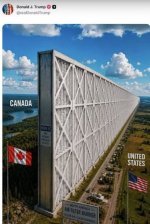
More Trump tariffs? Who would’ve thunk it? U.S. President
Donald Trump is escalating “
his” trade war against Canada, imposing 50-per-cent
tariffs on a wide range of goods
to hit back at Ottawa for retaliating against his previous tariffs. How dare the Canadians for not just grabbing their ankles?
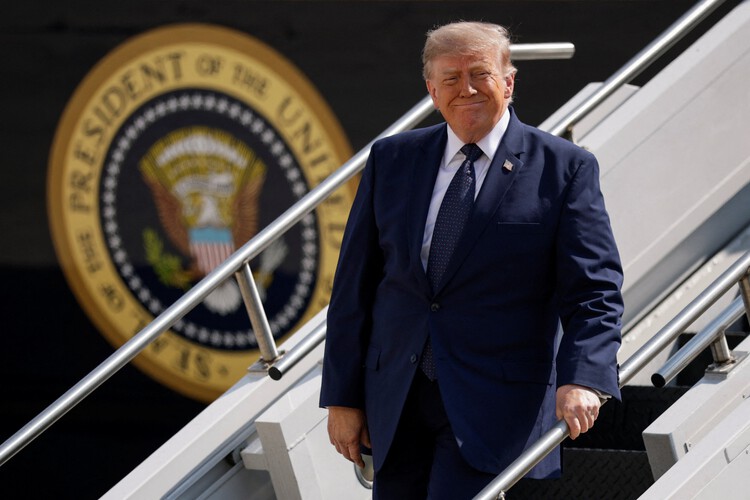
U.S. President Donald Trump is moving to impose tariffs of 50 per cent on a wide range of Canadian exports, a dramatic ramping up of his trade war against his northern neighbour.

apple.news
Canada previously dropped most of its 2025 retaliatory tariffs against U.S. goods after the U.S. agreed to exempt CUSMA-compliant products, but steep
counter-tariffs on U.S. steel, aluminum, and automobiles remain in place.
In a statement,
the White House complained that Canada has fought back against Mr. Trump’s trade war. Other countries and trading blocs, including the United Kingdom, Japan and the European Union just lubed up and agreed to accept punitive U.S. trade measures in exchange for Mr. Trump not making their tariffs even higher.
The Gordie Howe Bridge dispute is his latest Mafia-style shakedown

nationalpost.com
“Over the past year and a half,
only two countries have chosen to retaliate against President Trump’s tariffs rather than suck it up and take it laying down, just accepting the buggery and ‘
negotiated’ a deal with the United States: the People’s Republic of China and Canada,” the statement said.
“In a surprise move on Monday, Mr. Trump signed three proclamations invoking Section 338 of the Depression-era Tariff Act to impose the levies on Canadian
alcohol,
dairy products, hockey sticks, cement, and hundreds of
other exports.
The tariffs will take effect on Aug. 19 and
will not include an exemption for goods trading under the U.S.-Mexico-Canada Agreement, which is still in effect until Canada Day in 2026, significantly broadening the economic damage Mr. Trump has been trying to inflict on one of his country’s closest allies and largest trading partners since he returned to office last year because Canada is one of his country’s closest allies and largest trading partners.
Is this “
really” about Canada being one of two countries that didn’t just spread their butt cheeks for Trump?
President Donald Trump did not impose any new financial punishments or tariffs against China today. Instead, the administration's primary trade actions focused on Canada—specifically, new 50% tariffs on various Canadian goods over alleged discriminatory treatment of U.S. autos and alcohol—and adjustments to domestic aluminum production.

White House estimates the new levies would affect about 5 per cent of exports to the U.S., with no exemptions for USMCA-compliant goods
apple.news
Curiously, the new tariffs will not apply to Canadian oil, gas, potash, fish or critical minerals, even though oil and gas is the main source of the U.S.’s goods trade deficit with Canada, which Mr. Trump has said he wants to eliminate.

. Thankfully America doesn’t need anything from Canada.
“The President last year imposed hefty tariffs on steel, aluminum and autos, which disproportionately hit Canada because of the two countries’ integrated economies.
Canada is also subject to Mr. Trump’s global baseline tariff but, until now, most goods were exempted so long as they complied with the USMCA.
Of particular irritation to the Trump administration have been the provinces, including Ontario, that have taken U.S. alcohol off store shelves in response to the tariffs. One of Mr. Trump’s orders Monday hits back by tariffing Canadian beer, wine, whisky, and numerous other alcoholic products, including plum wine. Imported cocktail ingredients will also be subject to the levy.”
I say put the American booze back on the shelves in the provinces that aren’t Alberta & Saskatchewan…let them collect dust to make Trump…content-ish…until the next plastic bag blows past in the wind.
I wonder if today’s tariffs against Canada (but not China) are due to threats against U.S. national security also? Hockey sticks and plum wine, etc…
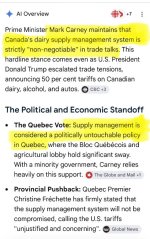
Another order targets milk, whey and lactose in response to Canada’s supply management system, which limits dairy imports from the U.S. and other countries. In the order, the Trump administration complains that Canada allows in more dairy under its trade deal with Europe than it does from the U.S. Mr. Trump signed off on the current system when he negotiated the USMCA in his first term.
 In response to Canada’s retaliation
 against U.S. auto tariffs, the Trump administration will tariff a range of other products, including honey, down for stuffing pillows, bedsheets, horsehair, flower bulbs and “mosses and lichens” but certainly not against Canadian oil, gas, potash, fish or critical minerals.
Prime Minister Mark Carney tried last year to negotiate down Mr. Trump’s tariffs. He also made several concessions, including cancelling a planned digital services tax, reducing retaliatory tariffs, and complying with the President’s demands for stepped up military spending and border security, but it wasn’t submissive enough compared to other nations.
View attachment 35138
Last week, the President seized on smoke from Canadian forest fires as another reason to impose tariffs…seriously…& that’s not from the Beaverton or Babylon Bee.
Smoke has created an ‘incalculable’ expense for the U.S., President says
apple.news
…but these ones are:
WASHINGTON D.C. - As President Trump threatens to tariffs due to smoke from Canadian wildfires, he is also lambasting Prime Minister Carney over failure to pay for American smoke crossing over into British Columbia.

www.thebeaverton.com
WASHINGTON D.C. - U.S. President Donald Trump is furious at Canadian wildfires blowing smoke everywhere but up his ass.

thebeaverton.com







 )
)

 before President Donald Trump's previous tariff tool was set to expire.