Um, you guys remember the topic?
The first vid lost me almost right away when the lady said that steel can only be melted in a blast furnace or if thermite is used. That's straight crap. Otherwise steel could not be welded or cut in machine shops and especially not underwater. I saw no reason to continue watching this video when misleading comments like that are made.
As far as the second one goes, I don't want to spend 2 hours + listening to what this guy's opinion about the matter is.
Concerning the 3rd vid: I can't doubt that explosives were used but the points these people were making are debatable. Their main points were that there was aluminum and sulfur found in metal debris and there was molten metal under the buildings. Well, can you guess how many materials containing sulfur or aluminum might have been in an office building? Wire insulation contains sulfur, adhesives contain sulfur, paints and enamels, transformer dielectrics, pretty much anything made from petrochemicals contains sulfur (stuff like plastics), and so on.
Stuff containing aluminum? Wire conduits, computers and fax machines and other office equipment, the aircraft themselves, some wires, etc.
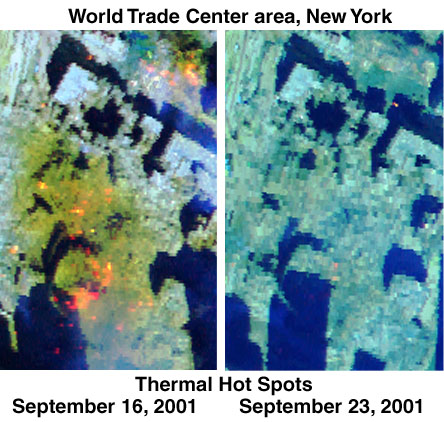
Melted metals? That's hardly a big surprise either. Can you imagine the amount of friction and compression involved in a building collapse? Lead by itself has been known to melt under just the compression of shock waves. If you prevent a metal from expanding and apply pressure you increase its temperature. Add heat from friction and probably chemical reaction, I think it is pretty feasible to find molten metals under collapsed buildings.
Besides that, if the puddles were a combo of molten iron, aluminum, and other stuff, why weren't the buckets of the excavation equipment melting when they dipped into the puddles? Molten iron is hotter than molten structural steel.