


Well, today is the Liberal/NDP Non-Coalition Coalition Budget Day!
- Thread starter Ron in Regina
- Start date
You are using an out of date browser. It may not display this or other websites correctly.
You should upgrade or use an alternative browser.
You should upgrade or use an alternative browser.

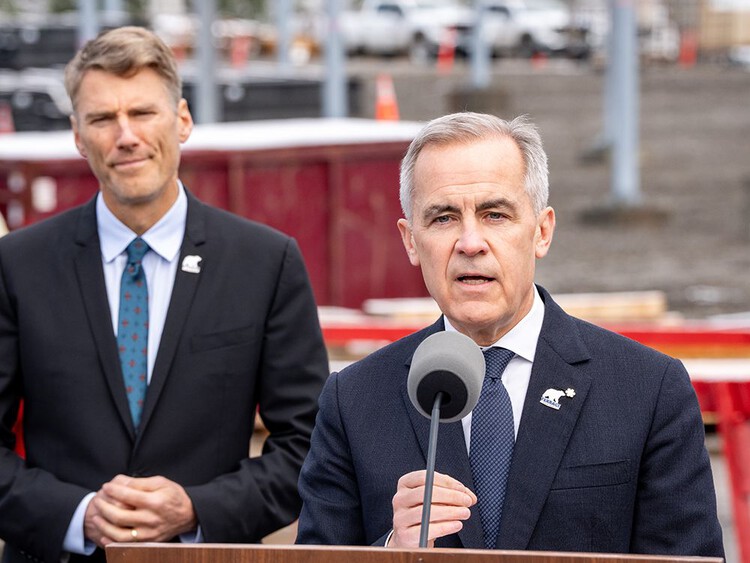
Well, it doesn’t sound like there’s anything involved that might offend Quebecois sensibilities, or Eby in BC, etc…and the green flag can be waved repeatedly, etc…for the national good, etc…when Mark Carney launched the Major Projects Office in late August, he said it was designed to streamline regulatory approvals and help structure financing for proposals deemed to be in the national interest.
As Carney noted in his press conference, the projects added to the list should provide economic benefits to Canadians but, crucially, have to advance the interests of Indigenous people and must contribute to sustainable clean growth.
Fast-tracking is barely required, given many projects on the list were already at an advanced stage, some with full environmental approval, etc…
 apple.news
Dawn Farrell, the head of the new Major Projects Office, said her job is about “making sure people get across the (finish) line, get everything they need to get built on time and on budget.” But neither she nor the prime minister made a convincing argument about why being on the list helps when a project has already been granted environmental approval. What use is the Major Projects Office when the government keeps selecting proposals that have already been approved?
apple.news
Dawn Farrell, the head of the new Major Projects Office, said her job is about “making sure people get across the (finish) line, get everything they need to get built on time and on budget.” But neither she nor the prime minister made a convincing argument about why being on the list helps when a project has already been granted environmental approval. What use is the Major Projects Office when the government keeps selecting proposals that have already been approved?
 apple.news
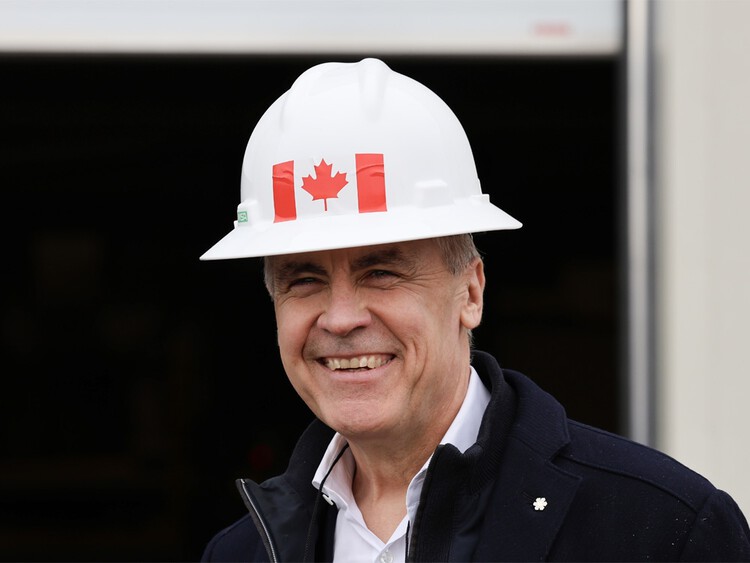
As Carney noted in his press conference, the projects added to the list should provide economic benefits to Canadians but, crucially, have to advance the interests of Indigenous people and must contribute to sustainable clean growth.
Fast-tracking is barely required, given many projects on the list were already at an advanced stage, some with full environmental approval, etc…
John Ivison: Another round of major projects from Carney that don’t live up to the billing — National Post
Evidence from the second tranche of mining and infrastructure ventures is that considerations other than economic payback were prioritized
EDITORIAL: Liberal fiscal fantasies won’t fix economy — Toronto Sun
The Liberals, for example, have been using U.S. President Donald Trump’s trade war as a ready-made explanation for any and all bad financial news.

Of course we are building a new bureaucracy to facilitate navigating bureaucrcy.Well, it doesn’t sound like there’s anything involved that might offend Quebecois sensibilities, or Eby in BC, etc…and the green flag can be waved repeatedly, etc…for the national good, etc…when Mark Carney launched the Major Projects Office in late August, he said it was designed to streamline regulatory approvals and help structure financing for proposals deemed to be in the national interest.
As Carney noted in his press conference, the projects added to the list should provide economic benefits to Canadians but, crucially, have to advance the interests of Indigenous people and must contribute to sustainable clean growth.
Fast-tracking is barely required, given many projects on the list were already at an advanced stage, some with full environmental approval, etc…
Dawn Farrell, the head of the new Major Projects Office, said her job is about “making sure people get across the (finish) line, get everything they need to get built on time and on budget.” But neither she nor the prime minister made a convincing argument about why being on the list helps when a project has already been granted environmental approval. What use is the Major Projects Office when the government keeps selecting proposals that have already been approved?John Ivison: Another round of major projects from Carney that don’t live up to the billing — National Post
Evidence from the second tranche of mining and infrastructure ventures is that considerations other than economic payback were prioritized
EDITORIAL: Liberal fiscal fantasies won’t fix economy — Toronto Sun
The Liberals, for example, have been using U.S. President Donald Trump’s trade war as a ready-made explanation for any and all bad financial news.
Here is the announcement portion for Saskatchewan for a mine from Carney yesterday, that has already been announced well over a year ago that it was a go.

 www.miningweekly.com
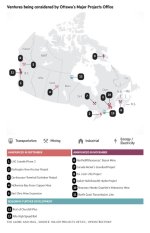
Foran approves C$600m Saskatchewan copper mine build
The board of Canada-based Foran Mining has made a formal decision to proceed with the C$604-million construction of the underground McIlvenna Bay copper and zinc mine, in Saskatchewan. The board approval follows the completion of a C$315-million financing package, comprising a C$222-million...
But neither she nor the prime minister made a convincing argument about why being on the list helps when a project has already been granted environmental approval. What use is the Major Projects Office when the government keeps selecting proposals that have already been approved?
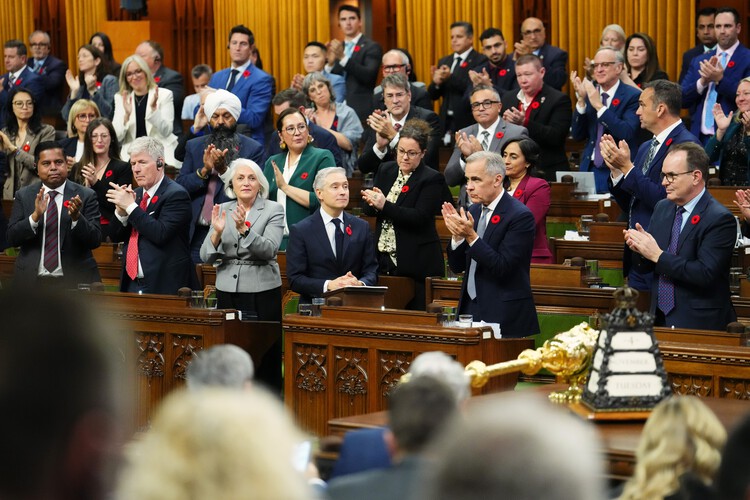
Two NDP sources told The Globe that up to five of the seven New Democratic MPs are expected to vote against the budget, including leadership candidate Heather McPherson. But the sources said interim party leader Don Davies and B.C. MP Gordon Johns are expected to abstain. Quebec MP Alexandre Boulerice is another New Democrat who could abstain, the sources said.
The Liberals would need at least four opposition MPs to either abstain or not vote for the budget to pass, if no opposition MPs voted for the budget.
 apple.news
The Liberals would need at least four opposition MPs to either abstain or not vote for the budget to pass, if no opposition MPs voted for the budget.
Liberals head into final confidence vote on federal budget expecting a narrow win — The Globe and Mail
NDP sources say two of the party’s MPs are expected to abstain in order to help pass the budget
The federal government is expecting the budget to pass a final confidence test by a slim majority Monday as Liberals work behind the scenes to corral enough (NDP) opposition votes to avert an election.
apple.news
Liberals head into final confidence vote on federal budget expecting a narrow win — The Globe and Mail
NDP sources say two of the party’s MPs are expected to abstain in order to help pass the budget
If NDP want to continue being the irrelevant party they will support the budget . If they want to repair their fractured party they will vote against it . My guess is they will take the easy road and support .The federal government is expecting the budget to pass a final confidence test by a slim majority Monday as Liberals work behind the scenes to corral enough (NDP) opposition votes to avert an election.
View attachment 32053
Liberals head into final confidence vote on federal budget expecting a narrow win — The Globe and Mail
NDP sources say two of the party’s MPs are expected to abstain in order to help pass the budget
Speaking of irrelevant…If NDP want to continue being the irrelevant party they will support the budget . If they want to repair their fractured party they will vote against it . My guess is they will take the easy road and support .
“Ring those phones! Something something Elbows!”
Elizabeth May, the lone Green Party MP in the House of Commons, has agreed to vote for the government’s budget motion Monday after a last-minute climate pledge by Prime Minister Mark Carney
In response to a question from Ms. May before the key budget vote, Mr. Carney said “I can confirm to this House that we will respect our Paris commitments for climate change and we’re determined to achieve them.”

Ms. May had said last week that she could not support the budget as originally proposed but was in talks with government officials about how she could change her mind?
Following Question Period, Ms. May said the Prime Minister’s “firm commitment” went further than he has previously stated?
Elizabeth May to support Carney’s budget, Liberals still one vote short — The Globe and Mail
May to vote for budget based on Carney’s commitment to climate targets, but outcome remains uncertain
A vote is scheduled to take place at 6:45 p.m. (just over one hour from now) on a motion from Finance Minister François-Philippe Champagne, asking the House to support the budget.
Mr. Champagne said the mood of Canadians (as seen from their in person support of Carney at Yesterday’s Grey Cup in Winnipeg?) is for the country to “go forward” with the budget plan?
Liberals still looking for support to pass budget, as Elizabeth May saying she’ll vote in favour — Apple News Spotlight
Get the news of the day, all in one place
I heard the support was booing , but did not see it in person .Speaking of irrelevant…
View attachment 32054
“Ring those phones! Something something Elbows!”
Elizabeth May, the lone Green Party MP in the House of Commons, has agreed to vote for the government’s budget motion Monday after a last-minute climate pledge by Prime Minister Mark Carney
In response to a question from Ms. May before the key budget vote, Mr. Carney said “I can confirm to this House that we will respect our Paris commitments for climate change and we’re determined to achieve them.”
Ms. May had said last week that she could not support the budget as originally proposed but was in talks with government officials about how she could change her mind?
Following Question Period, Ms. May said the Prime Minister’s “firm commitment” went further than he has previously stated?
Various Liberals on Parliament Hill have expressed their expectation that the government will survive, but they would need one more opposition MP to vote with the government in addition to Ms. May. Assuming Ms. May votes with the Liberals, if at least two other opposition (NDP) MPs choose not to vote, that would produce a tie. The Liberals would win such a tie, thanks to a vote by the Speaker, who is a Liberal MP.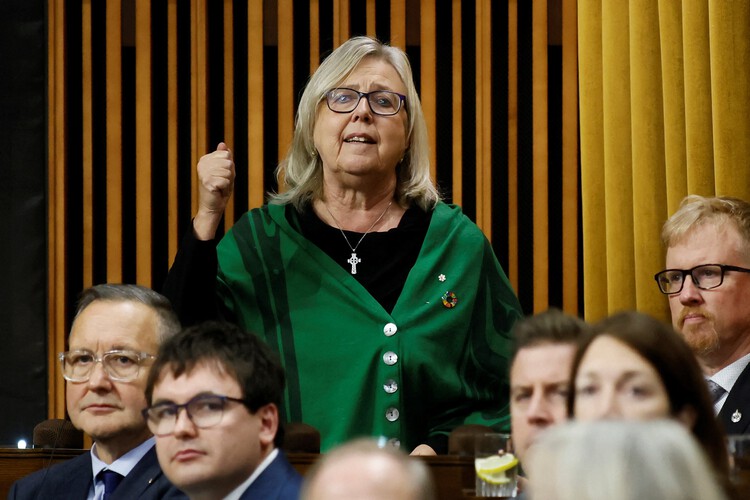
Elizabeth May to support Carney’s budget, Liberals still one vote short — The Globe and Mail
May to vote for budget based on Carney’s commitment to climate targets, but outcome remains uncertain
A vote is scheduled to take place at 6:45 p.m. (just over one hour from now) on a motion from Finance Minister François-Philippe Champagne, asking the House to support the budget.
Mr. Champagne said the mood of Canadians (as seen from their in person support of Carney at Yesterday’s Grey Cup in Winnipeg?) is for the country to “go forward” with the budget plan?
You heard correctly. TSN actually turn down the volume on the booing compared to what those there live said was happening.I heard the support was booing , but did not see it in person .
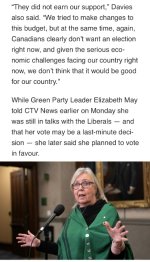
Interim NDP Leader Don Davies told reporters after the vote that while his caucus does not support the budget, MPs also did not want to trigger an election by all voting against. He said NDP MPs have spent the last two weeks consulting with constituents on the budget.
“It is clear from those conversations that this is a budget that does not address the real needs facing Canadians,” he said. “It fails to meet the moment, deliver transformational change, or address the urgent needs facing Canadians.” Etc….
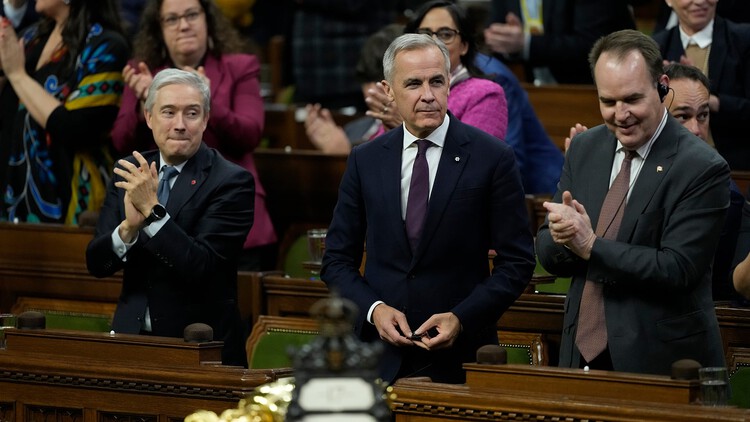
Leading up to the vote, both the Bloc Quebecois and Conservatives had made it clear they would vote against the document. Among the abstentions were two NDP MPs — Lori Idlout and Gord Johns — and House Speaker Francis Scarpaleggia, who does not vote.
Conservative MP Shannon Stubbs also abstained, with her office telling CTV News in a statement that she is on medical leave following surgery, and that her “surgical team ordered several weeks of strict bedrest, no speaking, and limited movement to ensure a safe recovery.” So, she could do an interview with CTV news, probably from her phone, but she couldn’t vote, probably from her phone?
Conservative MP Matt Jeneroux, who announced earlier this month he’s stepping down, also abstained, as he did for the two previous votes on the budget.
 apple.news
“It is clear from those conversations that this is a budget that does not address the real needs facing Canadians,” he said. “It fails to meet the moment, deliver transformational change, or address the urgent needs facing Canadians.” Etc….
Leading up to the vote, both the Bloc Quebecois and Conservatives had made it clear they would vote against the document. Among the abstentions were two NDP MPs — Lori Idlout and Gord Johns — and House Speaker Francis Scarpaleggia, who does not vote.
Conservative MP Shannon Stubbs also abstained, with her office telling CTV News in a statement that she is on medical leave following surgery, and that her “surgical team ordered several weeks of strict bedrest, no speaking, and limited movement to ensure a safe recovery.” So, she could do an interview with CTV news, probably from her phone, but she couldn’t vote, probably from her phone?
Conservative MP Matt Jeneroux, who announced earlier this month he’s stepping down, also abstained, as he did for the two previous votes on the budget.
Minority Liberals narrowly survive high-stakes confidence vote, fending off holiday election — CTV News
Prime Minister Mark Carney’s minority Liberal government narrowly survived its third confidence vote in as many weeks on Monday, passing the federal budget by a vote of 170-168 and staving off a holiday election.

50.29585798816568%Interim NDP Leader Don Davies told reporters after the vote that while his caucus does not support the budget, MPs also did not want to trigger an election by all voting against. He said NDP MPs have spent the last two weeks consulting with constituents on the budget.
View attachment 32059
“It is clear from those conversations that this is a budget that does not address the real needs facing Canadians,” he said. “It fails to meet the moment, deliver transformational change, or address the urgent needs facing Canadians.” Etc….
View attachment 32058
Leading up to the vote, both the Bloc Quebecois and Conservatives had made it clear they would vote against the document. Among the abstentions were two NDP MPs — Lori Idlout and Gord Johns — and House Speaker Francis Scarpaleggia, who does not vote.
Conservative MP Shannon Stubbs also abstained, with her office telling CTV News in a statement that she is on medical leave following surgery, and that her “surgical team ordered several weeks of strict bedrest, no speaking, and limited movement to ensure a safe recovery.” So, she could do an interview with CTV news, probably from her phone, but she couldn’t vote, probably from her phone?
Conservative MP Matt Jeneroux, who announced earlier this month he’s stepping down, also abstained, as he did for the two previous votes on the budget.
Minority Liberals narrowly survive high-stakes confidence vote, fending off holiday election — CTV News
Prime Minister Mark Carney’s minority Liberal government narrowly survived its third confidence vote in as many weeks on Monday, passing the federal budget by a vote of 170-168 and staving off a holiday election.
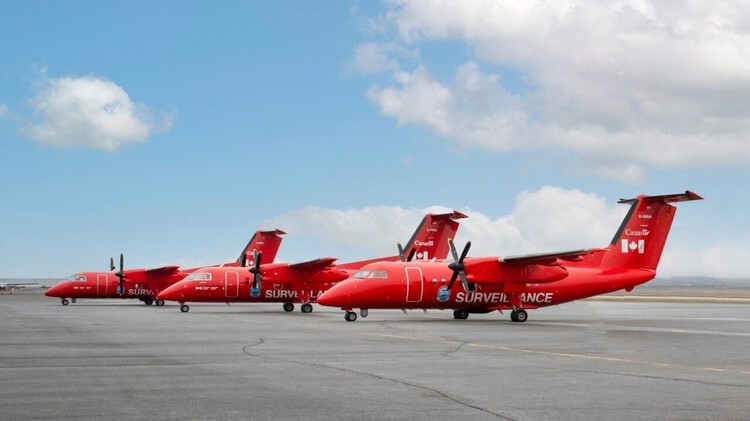
Transport Canada will be surrendering most — if not all — of its aviation wing to the Department of Defence in a plan that’s shrouded in secrecy.
The move of the federal department’s “core aviation services” was flagged in the recent federal budget. It has the potential to affect the long-standing National Aerial Surveillance Program (NASP), which monitors the country’s three coastlines for pollution and marine wildlife…defensively?
Those services "will be restructured, transferring most core aviation services, functions and assets to the Department of National Defence, while seeking to leverage commercial offerings where appropriate,” said the budget presented by Finance Minister François-Philippe Champagne on Nov. 4 and passed by the House of Commons on Monday.
The budget underlined that Transport Canada‘s regime of “training and certification of pilots will be maintained, with no impact on commercial and non-commercial pilots in Canada.”
 apple.news
The move of the federal department’s “core aviation services” was flagged in the recent federal budget. It has the potential to affect the long-standing National Aerial Surveillance Program (NASP), which monitors the country’s three coastlines for pollution and marine wildlife…defensively?
Those services "will be restructured, transferring most core aviation services, functions and assets to the Department of National Defence, while seeking to leverage commercial offerings where appropriate,” said the budget presented by Finance Minister François-Philippe Champagne on Nov. 4 and passed by the House of Commons on Monday.
The budget underlined that Transport Canada‘s regime of “training and certification of pilots will be maintained, with no impact on commercial and non-commercial pilots in Canada.”
Transport Canada's aviation wing moving to DND with little explanation — CBC News
Transport Canada will be surrendering most — if not all — of its aviation wing to the Department of Defence in a plan that’s shrouded in secrecy.
I hope like hell they are "defensively" monitoring the coastline for illegal fishing and exploitation.Transport Canada will be surrendering most — if not all — of its aviation wing to the Department of Defence in a plan that’s shrouded in secrecy.
View attachment 32061
The move of the federal department’s “core aviation services” was flagged in the recent federal budget. It has the potential to affect the long-standing National Aerial Surveillance Program (NASP), which monitors the country’s three coastlines for pollution and marine wildlife…defensively?

Carney avoids election in budget vote — watch for one this spring
Plenty of Liberals are chomping at the bit to rush to an early election and secure a majority.
Author of the article:Brian Lilley
Published Nov 19, 2025 • Last updated 12 hours ago • 3 minute read
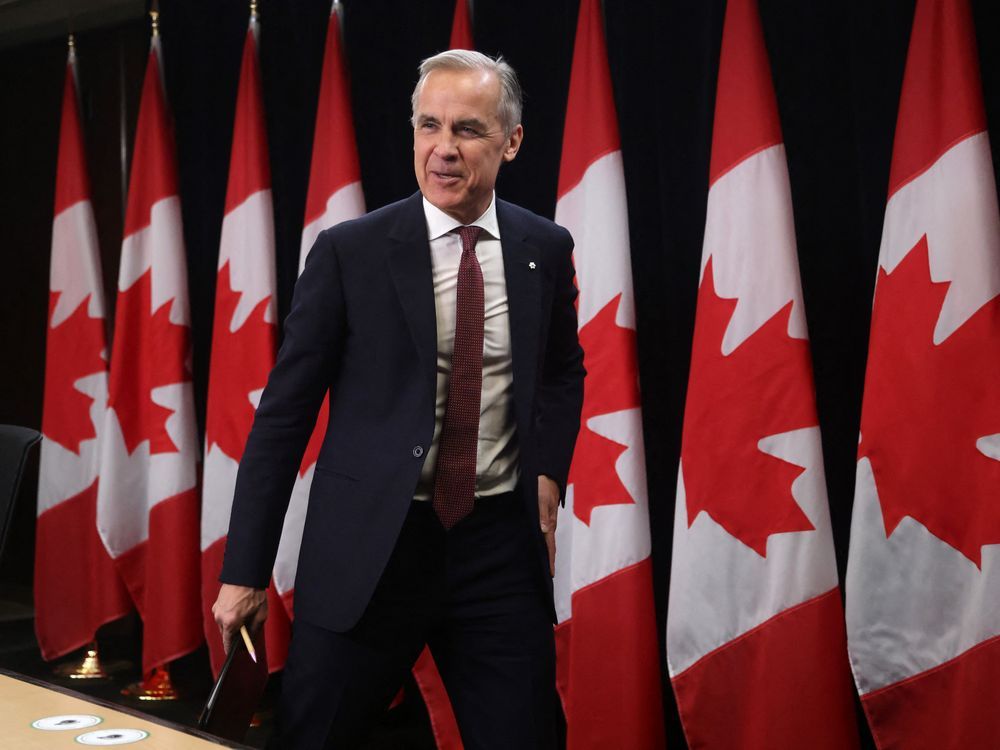
Prime Minister Mark Carney walks off after a press conference in Ottawa on May 2, 2025.
Prime Minister Mark Carney walks off after a press conference in Ottawa on May 2, 2025.
Mark Carney’s Liberals survived the budget vote this week and avoided an election, but don’t be surprised if we see an election as early as this spring. If it happens, it won’t be because the opposition parties voted the Liberals down, it will be because they think they can win a majority.
On Monday, the budget passed by a margin of 170 MPs in favour and 168 against. That only happened because four MPs – two Conservative and two NDP – abstained.
What happened during Monday’s budget vote
For the NDP, it was Gord Johns and Lori Idlout. Johns was in the House and sat in his seat, refusing to stand and vote yea or nay for the budget, while Idlout was in Ottawa but voted remotely to abstain –meaning she was recorded as being present but not voting.
On the Conservative side, Edmonton MP Matt Jeneroux — the man who was subject to floor crossing rumours and who announced he would resign from politics at a future date — simply didn’t vote in person or online. According to Conservative Party official, Jeneroux was in British Columbia with his family where his wife, a surgeon, has recently taken up a new role.
Shannon Stubbs, on the other hand, was off on pre-approved medical leave recovering from major surgery on her jaw and chin. She couldn’t be in person for the vote and, according to party sources, couldn’t use the online voting app because it wouldn’t recognize her bandaged face in a post-surgery apparatus.
Regardless, the budget passed, even after two MPs hiding in the wings, Andrew Sheer and Scott Reid, showed up to vote no, claiming technical difficulties on the app. They only appeared in the House to do so after it was clear the budget would pass.
That none of the opposition parties wanted an election right now isn’t shocking: The Conservatives have been telling everyone that now is not the time. They aren’t foolish and can read the public mood which was dead set against a Christmas election campaign.
Fun fact: Had the government lost the vote and an election was called on Tuesday, the earliest voting day would have been December 25th, meaning very much a Christmas election – not that the vote would ever have happened on that date.
A spring election is in the air
A spring election is very much in the air at this point, whether it remains in the air when the snow melts and the grass turns green once again remains to be seen.
“It depends,” said one Liberal discussing the idea of the spring election.
If the Liberals are polling well, if Carney can get a deal with Trump or campaign against him and the economy hasn’t soured too much, then Carney and his team could go early. If the polls remain tight, as they are now in party support, and if Carney doesn’t have a clear narrative of him being the economic saviour the country needs, then he and his team will likely take a pass.
Carney’s plan to shed Trudeau-era ministers
“(The) PM wants to renew his cabinet and shed as many Trudeau-era ministers as he can,” another Liberal said, speaking on background.
We’ve already seen Carney try to send off Trudeau leftovers like Bill Blair to be High Commissioner in London and Jonathan Wilkinson as ambassador in Brussels. That’s just the start, and Carney would like to shed more Trudeau people like Steven Guilbeault if he can before the next election.
“You think they are more organized than they are,” said another Liberal, adding it takes time to replace Trudeau’s dinosaurs.
Be it the spring or the fall, an election in 2026 is highly likely. Mark Carney wants his majority and if he can’t get it from enticing MPs from other parties to cross the floor, he’ll do it by calling an early election.
Watch for him or his team to start saying that Parliament is dysfunctional or claiming they need a new mandate to deal with Donald Trump. Whatever the excuse, it’s just a fig leaf for arriving at the ultimate goal, a majority government.
 torontosun.com
Plenty of Liberals are chomping at the bit to rush to an early election and secure a majority.
Author of the article:Brian Lilley
Published Nov 19, 2025 • Last updated 12 hours ago • 3 minute read
Prime Minister Mark Carney walks off after a press conference in Ottawa on May 2, 2025.
Prime Minister Mark Carney walks off after a press conference in Ottawa on May 2, 2025.
Mark Carney’s Liberals survived the budget vote this week and avoided an election, but don’t be surprised if we see an election as early as this spring. If it happens, it won’t be because the opposition parties voted the Liberals down, it will be because they think they can win a majority.
On Monday, the budget passed by a margin of 170 MPs in favour and 168 against. That only happened because four MPs – two Conservative and two NDP – abstained.
What happened during Monday’s budget vote
For the NDP, it was Gord Johns and Lori Idlout. Johns was in the House and sat in his seat, refusing to stand and vote yea or nay for the budget, while Idlout was in Ottawa but voted remotely to abstain –meaning she was recorded as being present but not voting.
On the Conservative side, Edmonton MP Matt Jeneroux — the man who was subject to floor crossing rumours and who announced he would resign from politics at a future date — simply didn’t vote in person or online. According to Conservative Party official, Jeneroux was in British Columbia with his family where his wife, a surgeon, has recently taken up a new role.
Shannon Stubbs, on the other hand, was off on pre-approved medical leave recovering from major surgery on her jaw and chin. She couldn’t be in person for the vote and, according to party sources, couldn’t use the online voting app because it wouldn’t recognize her bandaged face in a post-surgery apparatus.
Regardless, the budget passed, even after two MPs hiding in the wings, Andrew Sheer and Scott Reid, showed up to vote no, claiming technical difficulties on the app. They only appeared in the House to do so after it was clear the budget would pass.
That none of the opposition parties wanted an election right now isn’t shocking: The Conservatives have been telling everyone that now is not the time. They aren’t foolish and can read the public mood which was dead set against a Christmas election campaign.
Fun fact: Had the government lost the vote and an election was called on Tuesday, the earliest voting day would have been December 25th, meaning very much a Christmas election – not that the vote would ever have happened on that date.
A spring election is in the air
A spring election is very much in the air at this point, whether it remains in the air when the snow melts and the grass turns green once again remains to be seen.
“It depends,” said one Liberal discussing the idea of the spring election.
If the Liberals are polling well, if Carney can get a deal with Trump or campaign against him and the economy hasn’t soured too much, then Carney and his team could go early. If the polls remain tight, as they are now in party support, and if Carney doesn’t have a clear narrative of him being the economic saviour the country needs, then he and his team will likely take a pass.
Carney’s plan to shed Trudeau-era ministers
“(The) PM wants to renew his cabinet and shed as many Trudeau-era ministers as he can,” another Liberal said, speaking on background.
We’ve already seen Carney try to send off Trudeau leftovers like Bill Blair to be High Commissioner in London and Jonathan Wilkinson as ambassador in Brussels. That’s just the start, and Carney would like to shed more Trudeau people like Steven Guilbeault if he can before the next election.
“You think they are more organized than they are,” said another Liberal, adding it takes time to replace Trudeau’s dinosaurs.
Be it the spring or the fall, an election in 2026 is highly likely. Mark Carney wants his majority and if he can’t get it from enticing MPs from other parties to cross the floor, he’ll do it by calling an early election.
Watch for him or his team to start saying that Parliament is dysfunctional or claiming they need a new mandate to deal with Donald Trump. Whatever the excuse, it’s just a fig leaf for arriving at the ultimate goal, a majority government.
LILLEY: Carney avoids election in budget vote — watch for one this spring
Carney sidesteps an election in the federal budget vote, but signs point to a possible spring campaign. Here’s what to watch for next.
Mark Carney's budget deficit looms large in Canadian history
It's almost double what the Justin Trudeau government planned to run this year.
Author of the article:Ben Eisen, Jake Fuss
Published Nov 27, 2025 • Last updated 15 hours ago • 3 minute read
Prime Minister Mark Carney speaks during a press conference after a Cabinet meeting to discuss both trade negotiations with the U.S. and the situation in the Middle East, at the National Press Theatre in Ottawa, July 30, 2025.
Prime Minister Mark Carney speaks during a press conference after a Cabinet meeting to discuss both trade negotiations with the U.S. and the situation in the Middle East, at the National Press Theatre in Ottawa, July 30, 2025.
Recently in the House of Commons, Prime Minister Mark Carney’s government narrowly passed its first budget, which projects a $78.3-billion deficit this fiscal year. That likely seems like a big number to most Canadians. But how big is it?
For starters, it’s almost double the $42.2-billion deficit the Justin Trudeau government planned to run this year and it’s far larger than the deficits Trudeau ran over the past three years, which were in the $35-billion to $62-billion range. In fact, setting aside the extraordinary pandemic years of 2020/21 and 2021/22, Carney’s deficit this year is larger than any Trudeau ran during his time in office, even though Trudeau was the highest-spending prime minister in Canadian history (on a per-person basis).
To find a non-pandemic federal deficit close to Carney’s deficit, we must go back to 2009/10 when Stephen Harper’s government responded to the global recession with substantial stimulus spending, producing a $56.4-billion deficit. Indeed, as one former Trudeau insider recently noted, Carney’s deficit is roughly similar (in inflation-adjusted terms) to Harper’s recession-era red ink — remarkable given Canada is not in the midst of a similar recession today. And today’s deficit is largely the result of discretionary spending decisions rather than a response to U.S. President Donald Trump’s tariffs.
The trajectory of the deficit also differs sharply from recent years. After 2009/10, the Harper government reduced the deficit by half within two years and made rapid progress toward budget balance. By contrast, the Carney government’s budget anticipates only a 19% reduction over the next two years and a 28% reduction over four years, with the deficit still sitting at roughly 1.5% of the economy (measured in gross domestic product or GDP) by 2029/30 — comparable to the deficits Canada ran in the years immediately following the 2008 global financial crisis.
If we look back to the early and mid-1990s, we find federal deficits consistently larger (as a share of GDP) than Carney’s deficit. In that period, large persistent deficits and mounting debt left Canada on the brink of a fiscal crisis. While federal finances are not at that point today, our current trajectory could lead us back into this position in the future. Back then, to repair the country’s finances and lay the groundwork for stronger economic growth, the government of Jean Chretien rapidly and substantially reduced spending.
Taken together, these comparisons underscore the unusual nature of the Carney government’s budget plan. And again, Carney’s deficits are not planned as a temporary response to economic turmoil but as an ongoing feature of federal fiscal policy.
Finally, the Carney government claims it’s fiscally responsible because it plans to balance the “operating budget.” But the government has split spending into two categories: “operating spending” and “capital investment” — which includes any spending or tax expenditure (e.g. tax credits and deductions) that relates to the production of an asset (e.g. machinery and equipment). But, even if the government balances its operating budget in 2028/29, it will still incur a projected deficit of $57.9 billion after accounting for capital investment. In other words, Ottawa will continue to borrow substantial amounts of money each year, with Canadians paying the debt interest, which will reach a projected $76.1 billion by 2029/30 — or more than the government plans to spend on health-care transfers to the provinces that year.
How big is this year’s deficit? Historically big and it will remain so for years to come.
— Ben Eisen and Jake Fuss are analysts at the Fraser Institute
 torontosun.com
It's almost double what the Justin Trudeau government planned to run this year.
Author of the article:Ben Eisen, Jake Fuss
Published Nov 27, 2025 • Last updated 15 hours ago • 3 minute read
Prime Minister Mark Carney speaks during a press conference after a Cabinet meeting to discuss both trade negotiations with the U.S. and the situation in the Middle East, at the National Press Theatre in Ottawa, July 30, 2025.
Prime Minister Mark Carney speaks during a press conference after a Cabinet meeting to discuss both trade negotiations with the U.S. and the situation in the Middle East, at the National Press Theatre in Ottawa, July 30, 2025.
Recently in the House of Commons, Prime Minister Mark Carney’s government narrowly passed its first budget, which projects a $78.3-billion deficit this fiscal year. That likely seems like a big number to most Canadians. But how big is it?
For starters, it’s almost double the $42.2-billion deficit the Justin Trudeau government planned to run this year and it’s far larger than the deficits Trudeau ran over the past three years, which were in the $35-billion to $62-billion range. In fact, setting aside the extraordinary pandemic years of 2020/21 and 2021/22, Carney’s deficit this year is larger than any Trudeau ran during his time in office, even though Trudeau was the highest-spending prime minister in Canadian history (on a per-person basis).
To find a non-pandemic federal deficit close to Carney’s deficit, we must go back to 2009/10 when Stephen Harper’s government responded to the global recession with substantial stimulus spending, producing a $56.4-billion deficit. Indeed, as one former Trudeau insider recently noted, Carney’s deficit is roughly similar (in inflation-adjusted terms) to Harper’s recession-era red ink — remarkable given Canada is not in the midst of a similar recession today. And today’s deficit is largely the result of discretionary spending decisions rather than a response to U.S. President Donald Trump’s tariffs.
The trajectory of the deficit also differs sharply from recent years. After 2009/10, the Harper government reduced the deficit by half within two years and made rapid progress toward budget balance. By contrast, the Carney government’s budget anticipates only a 19% reduction over the next two years and a 28% reduction over four years, with the deficit still sitting at roughly 1.5% of the economy (measured in gross domestic product or GDP) by 2029/30 — comparable to the deficits Canada ran in the years immediately following the 2008 global financial crisis.
If we look back to the early and mid-1990s, we find federal deficits consistently larger (as a share of GDP) than Carney’s deficit. In that period, large persistent deficits and mounting debt left Canada on the brink of a fiscal crisis. While federal finances are not at that point today, our current trajectory could lead us back into this position in the future. Back then, to repair the country’s finances and lay the groundwork for stronger economic growth, the government of Jean Chretien rapidly and substantially reduced spending.
Taken together, these comparisons underscore the unusual nature of the Carney government’s budget plan. And again, Carney’s deficits are not planned as a temporary response to economic turmoil but as an ongoing feature of federal fiscal policy.
Finally, the Carney government claims it’s fiscally responsible because it plans to balance the “operating budget.” But the government has split spending into two categories: “operating spending” and “capital investment” — which includes any spending or tax expenditure (e.g. tax credits and deductions) that relates to the production of an asset (e.g. machinery and equipment). But, even if the government balances its operating budget in 2028/29, it will still incur a projected deficit of $57.9 billion after accounting for capital investment. In other words, Ottawa will continue to borrow substantial amounts of money each year, with Canadians paying the debt interest, which will reach a projected $76.1 billion by 2029/30 — or more than the government plans to spend on health-care transfers to the provinces that year.
How big is this year’s deficit? Historically big and it will remain so for years to come.
— Ben Eisen and Jake Fuss are analysts at the Fraser Institute
OPINION: Mark Carney's budget deficit looms large in Canadian history
Mark Carney’s government narrowly passed its first budget, which projects $78.3-billion deficit this fiscal year. How big is that? Read more
Supporting Carney's budget a 'mistake,' says Green Party's Elizabeth May
Green Party Leader Elizabeth May says she doesn't regret voting for budget, but admits it was a "mistake" to take PM Mark Carney at his word
Author of the article:Bryan Passifiume
Published Dec 02, 2025 • Last updated 16 hours ago • 3 minute read
Green Party Leader Elizabeth May speaks with reporters in West Block on Parliament Hill in Ottawa, Ont. on Monday, Sept. 16 2024.
Green Party Leader Elizabeth May speaks with reporters in West Block on Parliament Hill in Ottawa, Ont. on Monday, Sept. 16 2024.
OTTAWA — She has a clear conscience.
Green Party Leader Elizabeth May lashed out at recent news headlines implying she regretted voting in favour of the federal budget, telling the Toronto Sun her mistake was taking Prime Minister Mark Carney at his word when he promised climate-related concessions in exchange for her support on Nov. 17.
“I don’t regret how I voted,” she said in an interview with the Sun Tuesday.
“I think it was a mistake to believe (Mark Carney’s Liberals,) but I don’t regret how I voted. I have a clear conscience, I didn’t renege on a commitment,” added May. “I didn’t believe for one minute that the Prime Minister would say something on the floor of the House of Commons and put in print in the budget, commitments that would be reversed less than two weeks later. That’s a shocker.”
Climate concessions convinced May’s budget vote
The Nov. 17 budget vote was a critical confidence vote for Carney’s minority Liberals, who saw their financial blueprint narrowly pass 170-168, with two NDP and two Conservative MPs abstaining.
May was among those shocked over Carney’s decision to sign a memorandum of understanding (MOU) with Alberta Premier Danielle Smith to further develop oil and gas pipelines to the B.C. coast.
Former cabinet minister Steven Guilbeault, who quit Carney’s cabinet over the development, was part of the effort to bring May to the government’s side in the budget vote — telling May the budget wouldn’t include enhanced oil recovery tax credits, and the government wouldn’t go about adding it in later.
“I wasn’t just being naive in thinking that they meant it when they said that carbon capture and storage subsidy would not include enhanced oil recovery,” May said.
Enhanced oil recovery is a process where captured carbon dioxide is used to dislodge difficult-to-drill oil from underground deposits. Canada’s policies stand in stark difference to American projects, which for years have included enhanced oil recovery projects in federal tax credit schemes.
Guilbeault resignation ‘principled act’
May recalled feeling “shocked” and “heartbroken” over Guilbeault’s resignation.
“It was only the day before he’d been in the media saying he wouldn’t quit cabinet, so I assumed he’d seen the MOU and it couldn’t be that bad if he wasn’t going to quit,” she said.
She said quitting on principle is never an easy decision, recalling her experience in 1988 when she resigned as a senior policy advisor in the Brian Mulroney government, after permits were illegally granted for a Saskatchewan dam project.
A federal court decision later struck those permits down, deeming that the proper environmental assessments weren’t performed.
May compared Guilbeault to former Liberal MPs Jody Wilson Raybould, Jane Philpott and Celina Caesar-Chavannes — all of whom resigned from the Trudeau government over matters of conscience.
May took credit for an entry on Page 348 of the federal budget, which specifically states that the Carbon Capture, Utilization, and Storage (CCUS) tax credit would not be applied to enhanced oil recovery projects. But the MOU between Alberta and the government reverses that, and includes language to “encourage large scale CCUS investments, including Pathways (Alliance project) and enhanced oil recovery.”
“It’s not just that this breaks a climate promise,” May said, bringing up Budget 2025’s eye-watering $78-billion deficit.
“They’ve just increased it by throwing more money at some of the wealthiest companies in the world to subsidize them to produce more oil.”
She said throwing tax dollars at large and already profitable oil companies is something that “Liberal governments have been doing well.”
bpassifiume@postmedia.com
X: @bryanpassifiume

 pathwaysalliance.ca
 torontosun.com
Green Party Leader Elizabeth May says she doesn't regret voting for budget, but admits it was a "mistake" to take PM Mark Carney at his word
Author of the article:Bryan Passifiume
Published Dec 02, 2025 • Last updated 16 hours ago • 3 minute read
Green Party Leader Elizabeth May speaks with reporters in West Block on Parliament Hill in Ottawa, Ont. on Monday, Sept. 16 2024.
Green Party Leader Elizabeth May speaks with reporters in West Block on Parliament Hill in Ottawa, Ont. on Monday, Sept. 16 2024.
OTTAWA — She has a clear conscience.
Green Party Leader Elizabeth May lashed out at recent news headlines implying she regretted voting in favour of the federal budget, telling the Toronto Sun her mistake was taking Prime Minister Mark Carney at his word when he promised climate-related concessions in exchange for her support on Nov. 17.
“I don’t regret how I voted,” she said in an interview with the Sun Tuesday.
“I think it was a mistake to believe (Mark Carney’s Liberals,) but I don’t regret how I voted. I have a clear conscience, I didn’t renege on a commitment,” added May. “I didn’t believe for one minute that the Prime Minister would say something on the floor of the House of Commons and put in print in the budget, commitments that would be reversed less than two weeks later. That’s a shocker.”
Climate concessions convinced May’s budget vote
The Nov. 17 budget vote was a critical confidence vote for Carney’s minority Liberals, who saw their financial blueprint narrowly pass 170-168, with two NDP and two Conservative MPs abstaining.
May was among those shocked over Carney’s decision to sign a memorandum of understanding (MOU) with Alberta Premier Danielle Smith to further develop oil and gas pipelines to the B.C. coast.
Former cabinet minister Steven Guilbeault, who quit Carney’s cabinet over the development, was part of the effort to bring May to the government’s side in the budget vote — telling May the budget wouldn’t include enhanced oil recovery tax credits, and the government wouldn’t go about adding it in later.
“I wasn’t just being naive in thinking that they meant it when they said that carbon capture and storage subsidy would not include enhanced oil recovery,” May said.
Enhanced oil recovery is a process where captured carbon dioxide is used to dislodge difficult-to-drill oil from underground deposits. Canada’s policies stand in stark difference to American projects, which for years have included enhanced oil recovery projects in federal tax credit schemes.
Guilbeault resignation ‘principled act’
May recalled feeling “shocked” and “heartbroken” over Guilbeault’s resignation.
“It was only the day before he’d been in the media saying he wouldn’t quit cabinet, so I assumed he’d seen the MOU and it couldn’t be that bad if he wasn’t going to quit,” she said.
She said quitting on principle is never an easy decision, recalling her experience in 1988 when she resigned as a senior policy advisor in the Brian Mulroney government, after permits were illegally granted for a Saskatchewan dam project.
A federal court decision later struck those permits down, deeming that the proper environmental assessments weren’t performed.
May compared Guilbeault to former Liberal MPs Jody Wilson Raybould, Jane Philpott and Celina Caesar-Chavannes — all of whom resigned from the Trudeau government over matters of conscience.
May took credit for an entry on Page 348 of the federal budget, which specifically states that the Carbon Capture, Utilization, and Storage (CCUS) tax credit would not be applied to enhanced oil recovery projects. But the MOU between Alberta and the government reverses that, and includes language to “encourage large scale CCUS investments, including Pathways (Alliance project) and enhanced oil recovery.”
“It’s not just that this breaks a climate promise,” May said, bringing up Budget 2025’s eye-watering $78-billion deficit.
“They’ve just increased it by throwing more money at some of the wealthiest companies in the world to subsidize them to produce more oil.”
She said throwing tax dollars at large and already profitable oil companies is something that “Liberal governments have been doing well.”
bpassifiume@postmedia.com
X: @bryanpassifiume
Home page
We’re five of Canada’s largest oil sands companies, working together to provide energy the world needs while advancing environmental innovation.
pathwaysalliance.ca
Supporting Carney's budget a 'mistake,' says Green Party's Elizabeth May
Green Party Leader Elizabeth May says she doesn't regret voting for budget, but admits it was a "mistake" to take PM Mark Carney at his word
Well, it doesn’t sound like there’s anything involved that might offend Quebecois sensibilities, or Eby in BC, etc…and the green flag can be waved repeatedly, etc…for the national good, etc…when Mark Carney launched the Major Projects Office in late August, he said it was designed to streamline regulatory approvals and help structure financing for proposals deemed to be in the national interest.
Of course we are building a new bureaucracy to facilitate navigating bureaucrcy.
Here is the announcement portion for Saskatchewan for a mine from Carney yesterday, that has already been announced well over a year ago that it was a go.
Foran approves C$600m Saskatchewan copper mine build
The board of Canada-based Foran Mining has made a formal decision to proceed with the C$604-million construction of the underground McIlvenna Bay copper and zinc mine, in Saskatchewan. The board approval follows the completion of a C$315-million financing package, comprising a C$222-million...
View attachment 31995
Randall Denley: Carney's genius is taking credit for projects already underway — National Post
The Liberals' supposedly new nuclear strategy is remarkably similar to the plan Ontario Premier Doug Ford's government released last year
Michael Higgins: Carney's so-called 'major projects' mired in endless environmental review — National Post
The prime minister's bold talk isn't getting anything built

Did you know that the Chinese EVs is an accommodation for Saskatchewan canola farmers? Did you also know that the EV agreement is for 5 years but the canola agreement is only for 1 year? Who the hell negotiated such a deal? What were they thinking that it was a good one? OMG I hope whoever made this agreement isn't part of the CUSMO (?) deal because we're done economically if this is any indication. Our current government has no idea of what it's doing & our economic down turn will continue. Oh YAY!
Yup I hear you must be a hard right wing activist to have such views . Next thing you know some of you extremists will deny that sex is binary . Jeshhh. What is binary anyway .Did you know that the Chinese EVs is an accommodation for Saskatchewan canola farmers? Did you also know that the EV agreement is for 5 years but the canola agreement is only for 1 year? Who the hell negotiated such a deal? What were they thinking that it was a good one? OMG I hope whoever made this agreement isn't part of the CUSMO (?) deal because we're done economically if this is any indication. Our current government has no idea of what it's doing & our economic down turn will continue. Oh YAY!