What experts want you to know about ticks (and how to avoid them)
London Free Press reporter Brian Williams breaks down what you need to know about ticks
Author of the article:Brian Williams
Published Apr 26, 2026 • Last updated 10 hours ago • 3 minute read
(Getty Images)
(Getty Images)
With temperatures starting to warm and more people being drawn outdoors, the changing weather also brings the return of tiny arachnids with an appetite for blood. LFP reporter Brian Williams breaks down what you need to know about ticks
WHAT ARE TICKS?
Commonly mistaken for insects, ticks are arachnids, like spiders and mites, that need to feed on blood to develop from one life stage to the next, according to the Canadian government.
The lifecycle of a tick varies among tick species, the government’s website said, noting ticks can take several years to develop from egg to adult.
WHAT ARE THE RISKS OF TICK BITES?
Ticks are carriers of pathogens that can lead to a number of tick-borne illnesses, said Kitty Chan, manager of health protection for Southwestern Public Health, the health unit that covers Oxford and Elgin counties and St. Thomas.
“Ticks can infect humans with pathogens that can lead to illnesses such as Lyme disease, and other tick-borne diseases such as anaplasmosis,” Chan said in a statement.
Anaplasmosis is a bacterial infection that’s transmitted primarily by blacklegged ticks and can cause fever, severe headache, chills and muscle aches, according to the federal government’s website.
The most commonly reported tickborne illness is Lyme disease, said Jeremy Hogeveen, vector borne disease coordinator with the Middlesex-London health unit. Symptoms of Lyme disease include a rash that looks like a bullseye, headache, fever, chills, lethargy and muscle and joint pain.
“If untreated, and (Lyme disease) sits and it goes a long time, you can see paralysis, you can see heart palpitations, things like that,” Hogeveen said. “(But) it’s very easily treatable with antibiotics.”
ARE TICKS AND LYME DISEASE BECOMING MORE PREVALENT?
Although ticks tend to thrive more when winters are warmer, colder winters only tend to “slow them down a bit,” Hogeveen said.
Climate warming and other environmental changes have contributed to an uptick in the tick population, Chan said.
“As temperatures increase, the environment becomes more suitable for ticks and the season suitable for tick activity lengthens, so tick-borne diseases are likely to become more common,” Chan said.
Hogeveen said the “reality” is more of the tiny bloodsuckers are popping up in a lot of new spots, and numbers are “starting to increase on a consistent basis” in London and Middlesex County, noting that the public health office reported 38 cases of Lyme disease in 2025, double the 19 cases reported in 2024.
Southwestern Public Health also said ticks have become more active, reporting an uptick in Lyme disease cases last year. Reported cases of Lyme increased to 45 in 2025 from 36 in 2024, the health unit said.
WHERE ARE PEOPLE MOST LIKELY TO ENCOUNTER TICKS?
People are most likely to come into contact with ticks in humid, shady and vegetated environments, particularly in and around wooded areas, tall grass, shrubbery and leaf litter, Chan said.
Black-legged ticks, also known as deer ticks, are the most common transmitter of tick-borne diseases and are regularly found in areas frequented by deer, Hogeveen said.
However, Hogeveen said the Middlesex-London health unit does see cases “where someone is in their backyard in downtown London gardening and they encounter a tick.”
WHAT’S THE BEST WAY TO AVOID TICK BITES?
Wearing long sleeves, long pants and closed shoes when people are visiting wooded or grassy areas can help prevent tick bites, Chan said, noting light-coloured clothing can make it easier to spot ticks.
Chan also recommended using bug spray with DEET to deter ticks.
Both Hogeveen and Chan said checking yourself after visiting areas such as forests and tall grass is also important.
“After you’ve been outdoors, check your body for ticks, especially around your neck, underarms, and groin,” Chan said. “They like those spots best. After a day outside, you can take a shower and towel off to potentially remove any ticks that might not be attached yet.”
bwilliams@postmedia.com
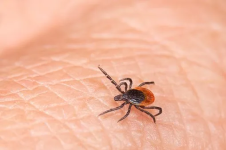
LFP reporter Brian Williams breaks down what you need to know about ticks

torontosun.com




