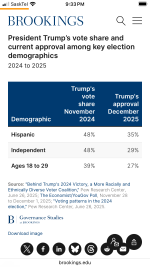
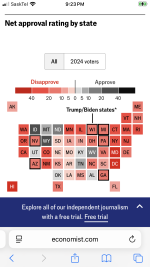
Well, the midterms are coming. In a midterm election, the composition of congress is decided. Congress is literally on the ballot. All 435 seats in the U.S. House of Representatives and one-third of the seats (100) in the U.S. Senate are up for vote. The partisan composition of congress can have a major influence on what the President can do during his or her term in office.
Impact on Employment and Output
 apple.news
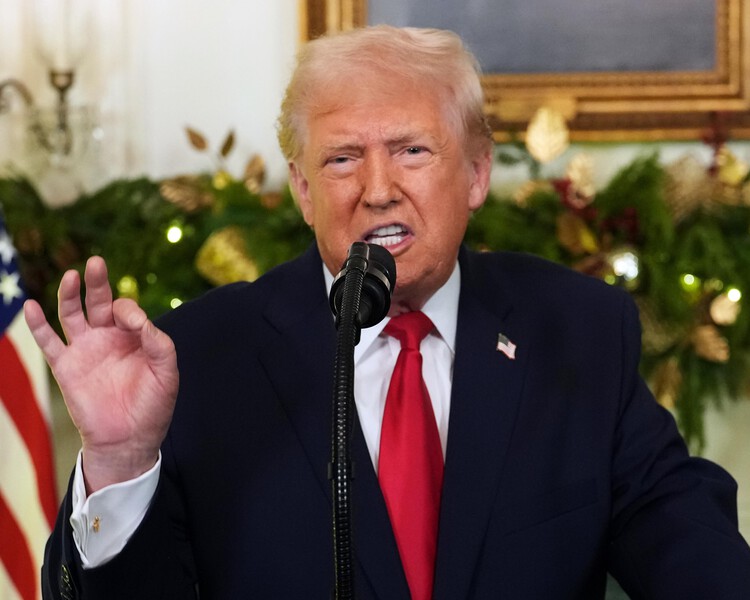
That was certainly Trump’s approach to business: he was the New York real estate tycoon who turned his fame into a brand that symbolized luxury and savvy strategy – even if his companies had filed for bankruptcy six times.
apple.news
That was certainly Trump’s approach to business: he was the New York real estate tycoon who turned his fame into a brand that symbolized luxury and savvy strategy – even if his companies had filed for bankruptcy six times.
Impact on Employment and Output
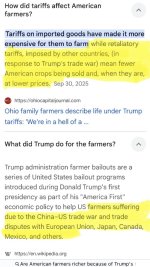
- Job Losses: Data from 2025 indicated that the manufacturing sector lost over 40,000 to 67,000 jobs since April 2025, defying claims that the tariffs would ignite a manufacturing hiring boom.
- Contracting Sector: Manufacturing activity has been in a state of contraction for several consecutive months in 2025, with over 70% of manufacturers surveyed by the Dallas Fed reporting a negative impact from the tariffs.
- Long-term Decline: Analysts suggest that tariffs cannot reverse the long-term secular decline in the share of manufacturing jobs, which is largely driven by automation and a shift toward a service-based economy.
- Input Cost Inflation: Tariffs on materials like steel, aluminum, and copper have raised production costs for American manufacturers that rely on these imported components.
- Price Increases: Many manufacturers reported being forced to pass these higher costs onto consumers, with some estimating costs rose by over $100,000 per month.
- "Uneven" Impact: While some protective tariffs provided minor gains for specific industries like steel, these were offset by losses in downstream manufacturing sectors that rely on those materials.
- Investment Freeze: The erratic nature of the tariff rollouts—characterized by frequent, swift changes—created significant uncertainty that has caused businesses to freeze capital expenditures and hiring.
- Reduced Competitiveness: The increased cost of doing business in the U.S. has made it harder for some companies to justify bringing production back to the country.
- Retaliation: Foreign countries have responded with retaliatory tariffs, further harming U.S. manufacturers by decreasing demand for their goods abroad.
- Pro-Tariff Argument: The administration and supporters argue that the tariffs are necessary to protect national security, reduce reliance on foreign components, and force companies to build factories in the U.S..
- Criticisms: Economists generally argue that the tariffs function as a tax on imports that are ultimately paid for by American companies and consumers, resulting in higher prices and lower overall economic output.
- While some high-profile companies have announced plans for U.S. investment, data through late 2025 suggest the broader impact has been detrimental to the overall manufacturing workforce and industry growth.
Opinion | Trump is shamelessly covering America in his name — Guardian US
Using the presidency as a branding opportunity, Trump is slapping his name on buildings, monuments and projects