

Canadian Federal Election Outcome October 20th (or 27th?), 2025.
- Thread starter Ron in Regina
- Start date
You are using an out of date browser. It may not display this or other websites correctly.
You should upgrade or use an alternative browser.
You should upgrade or use an alternative browser.


Prime Minister Mark Carney has said he is “absolutely not” considering proroguing Parliament “IF” he were to secure a majority government.
“Absolutely not. It has never even entered my thinking, the possibility of that, so I couldn’t have been more surprised to see [the] suggestion that … was under consideration,” he said at an announcement in Wakefield, Que., surrounding the protection of land and waters on Tuesday.
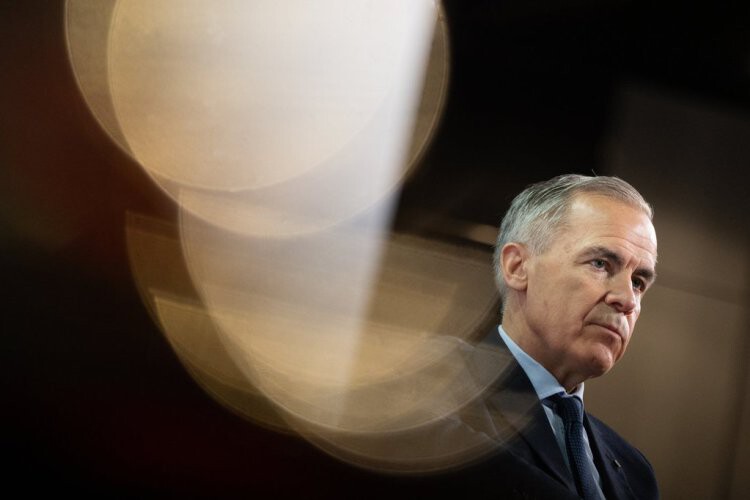
 apple.news
“Absolutely not. It has never even entered my thinking, the possibility of that, so I couldn’t have been more surprised to see [the] suggestion that … was under consideration,” he said at an announcement in Wakefield, Que., surrounding the protection of land and waters on Tuesday.
Carney says he's 'absolutely not' considering proroguing Parliament — Global News
Prime Minister Mark Carney has said he is 'absolutely not' considering proroguing Parliament if he were to secure a majority government.

Reading that tells me he is absolutely considering proroguing Parliment .Prime Minister Mark Carney has said he is “absolutely not” considering proroguing Parliament “IF” he were to secure a majority government.
“Absolutely not. It has never even entered my thinking, the possibility of that, so I couldn’t have been more surprised to see [the] suggestion that … was under consideration,” he said at an announcement in Wakefield, Que., surrounding the protection of land and waters on Tuesday.
Carney says he's 'absolutely not' considering proroguing Parliament — Global News
Prime Minister Mark Carney has said he is 'absolutely not' considering proroguing Parliament if he were to secure a majority government.
The Globe and Mail reported Monday, citing two Liberal party sources, that the government has been considering proroguing Parliament after the April 13 by-elections.Reading that tells me he is absolutely considering proroguing Parliment .
A Liberal sweep of all three ridings would bring the party’s seat count to 173 in the 343-seat House of Commons, which is one more than a bare majority. This would prevent the opposition from defeating the government in a confidence vote.
But even with a majority, to restructure Commons’ committees, the government would likely need to turn to prorogation, a procedure that ends the current session of Parliament and releases MPs from their parliamentary duties, including committee appointments.
If the Liberals win the three by-elections, the Liberal sources said, one option being looked at is for the government to have a short prorogation, come back with a new Throne Speech and revamp the committee system. Another option is to prorogue in September, the sources said.
The Globe and Mail is not naming the two sources because they were not authorized to discuss the matter publicly.
Prime Minister Mark Carney has committed to not proroguing Parliament to take control of House of Commons committees if the Liberals win three coming by-elections and form a slim majority.
Carney commits to not proroguing Parliament after April 13 by-elections — The Globe and Mail
Prime Minister denies Globe report that government was considering prorogation if Liberals win in all three ridings

Wow. . . we'd have the Federal legislatures of both Canada and the U.S. powerless and wandering the streets.
Yay, democracy.
Yay, democracy.

Nor will there be an election any time soon.View attachment 33908
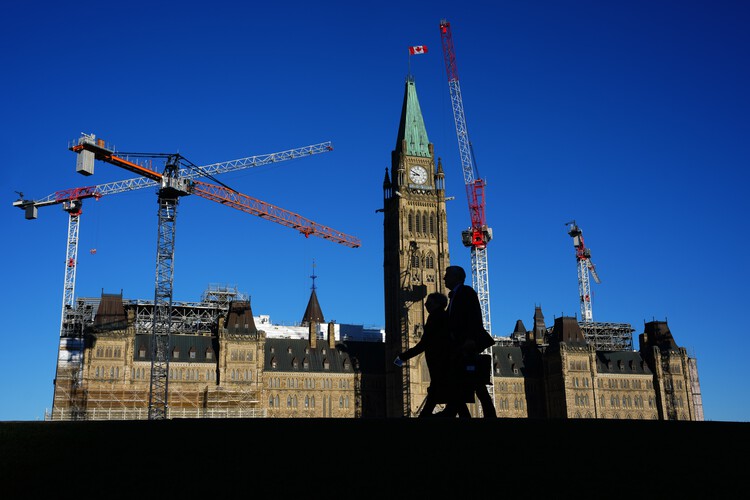
Government says it will not prorogue Parliament if Liberals sweep April 13 by-elections — The Globe and Mail
Move would give the party control of House of Commons committees, and allow it to push through legislation more easily
The way I read it, proroguing parliament will only happen when the liberals lose the three upcoming by elections.Reading that tells me he is absolutely considering proroguing Parliment .
Would be nice to see , but I doubt I WILL .The way I read it, proroguing parliament will only happen when the liberals lose the three upcoming by elections.
Seems unlikely they will lose any of them with Elections Canada in their pocket.Would be nice to see , but I doubt I WILL .

Will Beyoncé, Timothée Chalamet and Donald Trump vote in Canadian elections?
Canada's changes to citizenship laws opens up our country to millions around the world, including American celebrities with Canadian roots
Author of the article:Brian Lilley
Published Apr 23, 2026 • Last updated 11 hours ago • 3 minute read
CITIZENSHIP
(Postmedia file photo)
Canadians are used to American celebrities commenting on our politics and our elections.
Thanks to a new law that is drawing attention south of the border, we could see many American celebrities voting in our elections in the future.
Bill C-3 passed into law last December and changed how citizenship is passed on for the children of Canadian citizens born abroad.
Now, instead of citizenship only passing down one generation after a family leaves Canada, it can pass down several generations. And the way the law is being interpreted is that people whose families haven’t lived in Canada in generations could claim citizenship.
It’s always been the case that someone like Caitlyn Jenner, formerly Bruce Jenner, could claim citizenship because of parental connections. Jenner’s father was from New Brunswick.
Someone like actor Timothée Chalamet could have made a claim because his grandmother was from Brantford, Ont.
Citizenship laws changed several times over the years
Over the years, however, the laws have changed several times on who qualifies for Canadian citizenship and how far down the lineage line that citizenship can pass.
In 2006, during the war between Israel and Hezbollah, the Harper government evacuated 15,000 Canadian citizens at great expense to the taxpayer. Almost immediately after the fighting stopped the entire 15,000 were back in Lebanon where they lived full-time.
That prompted a backlash against Canadians of convenience, people who hold citizenship and keep a Canadian passport neatly tucked away somewhere in case of trouble.
In 2007, the Harper government began the process of restricting citizenship from being passed down more than one generation after a family had left Canada. It was a sensible move, and I say that as someone who could claim, but never has, citizenship in other countries due to ancestral birthright.
At a certain point, you need to cut this off. You can’t have citizenship passed on in perpetuity in families that have left Canada and have no connection to this country any longer.
That’s not how everyone feels though.
In December 2023, Justice Jasmine Akbarali, a Trudeau government appointee and former vice president of the Canadian Civil Liberties Association, ruled that the cut off on passing on citizenship was unconstitutional. She claimed cutting off the ability to pass on citizenship violated sections 6 and 15 of the Charter of Rights and Freedoms.
Section 6 states that every Canadian “has the right to enter, remain in and leave Canada” while section 15 states that everyone is equal before the law. None of that states in any way shape or form that you can leave Canada and pass along citizenship in perpetuity.
Fundamentally cheapened Canadian citizenship
The Trudeau government chose not to challenge the ruling, which was made at the Superior Court of Justice level and could have been appealed more than once. Trudeau’s team didn’t appeal because they agreed with a decision that fundamentally cheapens Canadian citizenship.
Now, according to the Associated Press stateside, people across the United States are looking into ancestral claims.
“Potentially millions of Americans suddenly have a much easier path to Canadian citizenship, prompting a rush of people to explore their ancestry and file paperwork seeking dual citizenship,” AP wrote in a story published Thursday.
Other reports have said celebrities like Beyoncé could claim Canadian citizenship thanks to a connection via her great-granddaughter six times removed, Joseph Broussard, an Acadian hero.
We could see American celebrities from Shirley MacLaine to Amy Poehler, Paula Abdul to Donald Trump claiming Canadian ancestry. While reports say Trump’s grandfather, Friedrich Trump, never became a Canadian citizen, neither did Beyoncé’s ancestors, because it didn’t exist back then.
The bottom line with Bill C-3 – an ill-thought-out piece of legislation that responded to a court decision that should have been appealed – we don’t know that will happen next.
Just rest assured that there will be more people getting their Canadian citizenship and whether that is Beyoncé or Donald Trump, someone will be upset.
blilley@postmedia.com
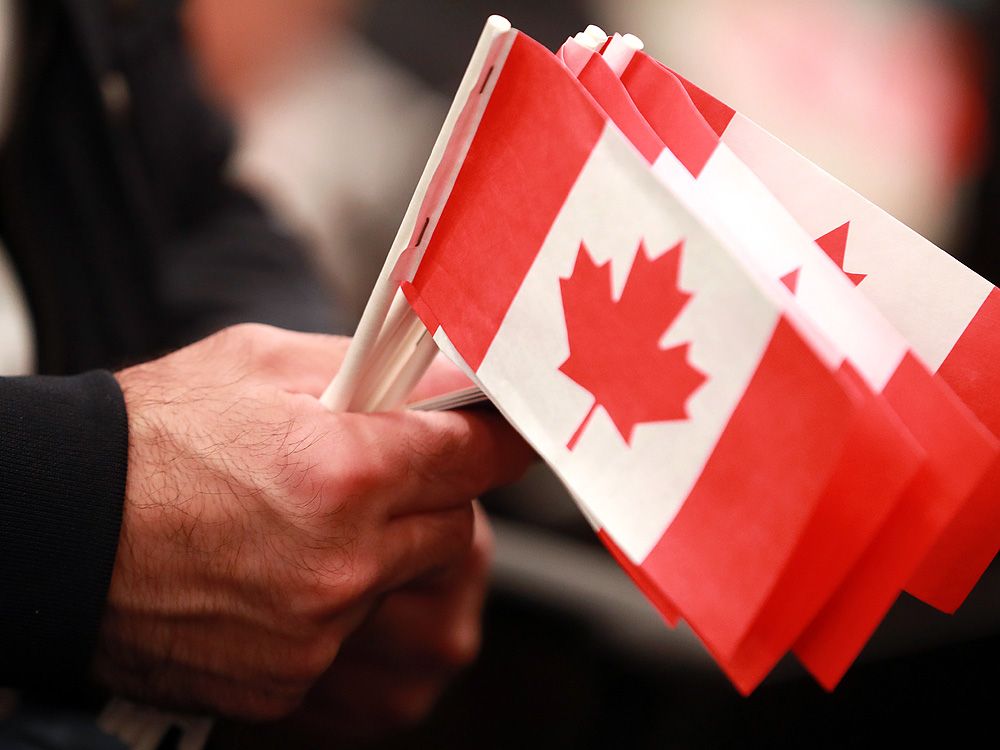
 torontosun.com
Canada's changes to citizenship laws opens up our country to millions around the world, including American celebrities with Canadian roots
Author of the article:Brian Lilley
Published Apr 23, 2026 • Last updated 11 hours ago • 3 minute read
CITIZENSHIP
(Postmedia file photo)
Canadians are used to American celebrities commenting on our politics and our elections.
Thanks to a new law that is drawing attention south of the border, we could see many American celebrities voting in our elections in the future.
Bill C-3 passed into law last December and changed how citizenship is passed on for the children of Canadian citizens born abroad.
Now, instead of citizenship only passing down one generation after a family leaves Canada, it can pass down several generations. And the way the law is being interpreted is that people whose families haven’t lived in Canada in generations could claim citizenship.
It’s always been the case that someone like Caitlyn Jenner, formerly Bruce Jenner, could claim citizenship because of parental connections. Jenner’s father was from New Brunswick.
Someone like actor Timothée Chalamet could have made a claim because his grandmother was from Brantford, Ont.
Citizenship laws changed several times over the years
Over the years, however, the laws have changed several times on who qualifies for Canadian citizenship and how far down the lineage line that citizenship can pass.
In 2006, during the war between Israel and Hezbollah, the Harper government evacuated 15,000 Canadian citizens at great expense to the taxpayer. Almost immediately after the fighting stopped the entire 15,000 were back in Lebanon where they lived full-time.
That prompted a backlash against Canadians of convenience, people who hold citizenship and keep a Canadian passport neatly tucked away somewhere in case of trouble.
In 2007, the Harper government began the process of restricting citizenship from being passed down more than one generation after a family had left Canada. It was a sensible move, and I say that as someone who could claim, but never has, citizenship in other countries due to ancestral birthright.
At a certain point, you need to cut this off. You can’t have citizenship passed on in perpetuity in families that have left Canada and have no connection to this country any longer.
That’s not how everyone feels though.
In December 2023, Justice Jasmine Akbarali, a Trudeau government appointee and former vice president of the Canadian Civil Liberties Association, ruled that the cut off on passing on citizenship was unconstitutional. She claimed cutting off the ability to pass on citizenship violated sections 6 and 15 of the Charter of Rights and Freedoms.
Section 6 states that every Canadian “has the right to enter, remain in and leave Canada” while section 15 states that everyone is equal before the law. None of that states in any way shape or form that you can leave Canada and pass along citizenship in perpetuity.
Fundamentally cheapened Canadian citizenship
The Trudeau government chose not to challenge the ruling, which was made at the Superior Court of Justice level and could have been appealed more than once. Trudeau’s team didn’t appeal because they agreed with a decision that fundamentally cheapens Canadian citizenship.
Now, according to the Associated Press stateside, people across the United States are looking into ancestral claims.
“Potentially millions of Americans suddenly have a much easier path to Canadian citizenship, prompting a rush of people to explore their ancestry and file paperwork seeking dual citizenship,” AP wrote in a story published Thursday.
Other reports have said celebrities like Beyoncé could claim Canadian citizenship thanks to a connection via her great-granddaughter six times removed, Joseph Broussard, an Acadian hero.
We could see American celebrities from Shirley MacLaine to Amy Poehler, Paula Abdul to Donald Trump claiming Canadian ancestry. While reports say Trump’s grandfather, Friedrich Trump, never became a Canadian citizen, neither did Beyoncé’s ancestors, because it didn’t exist back then.
The bottom line with Bill C-3 – an ill-thought-out piece of legislation that responded to a court decision that should have been appealed – we don’t know that will happen next.
Just rest assured that there will be more people getting their Canadian citizenship and whether that is Beyoncé or Donald Trump, someone will be upset.
blilley@postmedia.com
LILLEY: Will Beyoncé, Timothée Chalamet and Donald Trump vote in Canadian elections?
Changes to our citizenship laws could see this happen. This is what you need to know.
Well, I guess eventually, the Canada we know will cease to exist. Apparently, that's the goal.Will Beyoncé, Timothée Chalamet and Donald Trump vote in Canadian elections?
Canada's changes to citizenship laws opens up our country to millions around the world, including American celebrities with Canadian roots
Author of the article:Brian Lilley
Published Apr 23, 2026 • Last updated 11 hours ago • 3 minute read
CITIZENSHIP
(Postmedia file photo)
Canadians are used to American celebrities commenting on our politics and our elections.
Thanks to a new law that is drawing attention south of the border, we could see many American celebrities voting in our elections in the future.
Bill C-3 passed into law last December and changed how citizenship is passed on for the children of Canadian citizens born abroad.
Now, instead of citizenship only passing down one generation after a family leaves Canada, it can pass down several generations. And the way the law is being interpreted is that people whose families haven’t lived in Canada in generations could claim citizenship.
It’s always been the case that someone like Caitlyn Jenner, formerly Bruce Jenner, could claim citizenship because of parental connections. Jenner’s father was from New Brunswick.
Someone like actor Timothée Chalamet could have made a claim because his grandmother was from Brantford, Ont.
Citizenship laws changed several times over the years
Over the years, however, the laws have changed several times on who qualifies for Canadian citizenship and how far down the lineage line that citizenship can pass.
In 2006, during the war between Israel and Hezbollah, the Harper government evacuated 15,000 Canadian citizens at great expense to the taxpayer. Almost immediately after the fighting stopped the entire 15,000 were back in Lebanon where they lived full-time.
That prompted a backlash against Canadians of convenience, people who hold citizenship and keep a Canadian passport neatly tucked away somewhere in case of trouble.
In 2007, the Harper government began the process of restricting citizenship from being passed down more than one generation after a family had left Canada. It was a sensible move, and I say that as someone who could claim, but never has, citizenship in other countries due to ancestral birthright.
At a certain point, you need to cut this off. You can’t have citizenship passed on in perpetuity in families that have left Canada and have no connection to this country any longer.
That’s not how everyone feels though.
In December 2023, Justice Jasmine Akbarali, a Trudeau government appointee and former vice president of the Canadian Civil Liberties Association, ruled that the cut off on passing on citizenship was unconstitutional. She claimed cutting off the ability to pass on citizenship violated sections 6 and 15 of the Charter of Rights and Freedoms.
Section 6 states that every Canadian “has the right to enter, remain in and leave Canada” while section 15 states that everyone is equal before the law. None of that states in any way shape or form that you can leave Canada and pass along citizenship in perpetuity.
Fundamentally cheapened Canadian citizenship
The Trudeau government chose not to challenge the ruling, which was made at the Superior Court of Justice level and could have been appealed more than once. Trudeau’s team didn’t appeal because they agreed with a decision that fundamentally cheapens Canadian citizenship.
Now, according to the Associated Press stateside, people across the United States are looking into ancestral claims.
“Potentially millions of Americans suddenly have a much easier path to Canadian citizenship, prompting a rush of people to explore their ancestry and file paperwork seeking dual citizenship,” AP wrote in a story published Thursday.
Other reports have said celebrities like Beyoncé could claim Canadian citizenship thanks to a connection via her great-granddaughter six times removed, Joseph Broussard, an Acadian hero.
We could see American celebrities from Shirley MacLaine to Amy Poehler, Paula Abdul to Donald Trump claiming Canadian ancestry. While reports say Trump’s grandfather, Friedrich Trump, never became a Canadian citizen, neither did Beyoncé’s ancestors, because it didn’t exist back then.
The bottom line with Bill C-3 – an ill-thought-out piece of legislation that responded to a court decision that should have been appealed – we don’t know that will happen next.
Just rest assured that there will be more people getting their Canadian citizenship and whether that is Beyoncé or Donald Trump, someone will be upset.
blilley@postmedia.com
LILLEY: Will Beyoncé, Timothée Chalamet and Donald Trump vote in Canadian elections?
Changes to our citizenship laws could see this happen. This is what you need to know.
New World Order. TurdOWE and his cronies believe in a world without borders.Well, I guess eventually, the Canada we know will cease to exist. Apparently, that's the goal.
Except for their gated communities.New World Order. TurdOWE and his cronies believe in a world without borders.
Naturally. The people get to go there to clean the pools, water the golf courses and sing joy to the world on Xmas eve.Except for their gated communities.
Life is not as expected outside the 100 Acre Wood.Well, I guess eventually, the Canada we know will cease to exist. Apparently, that's the goal.
It's certainly what the Kay-beckers and the Albertans want. And given how much you hate half the people in Canaduh, I'm surprised you're not right in there pitching with 'em.Well, I guess eventually, the Canada we know will cease to exist. Apparently, that's the goal.
Do you expect us to love freeloaders?It's certainly what the Kay-beckers and the Albertans want. And given how much you hate half the people in Canaduh, I'm surprised you're not right in there pitching with 'em.
Nah, I've learned to expect you to hate anybody who disagrees with you on any point.Do you expect us to love freeloaders?
You are funny .Nah, I've learned to expect you to hate anybody who disagrees with you on any point.