Tumbler Ridge mass shooting families sue Sam Altman, OpenAI
They are suing OpenAI in California 'to pursue landmark damage awards'
Author of the article:Eddie Chau
Published Apr 29, 2026 • Last updated 1 day ago • 2 minute read
Community members place flowers during a vigil to honor the victims of one of Canada's deadliest mass shootings in Tumbler Ridge, British Columbia, Canada, on February 13, 2026. Photo by PAIGE TAYLOR WHITE /AFP via Getty Images
Victims of the mass shooting in Tumbler Ridge, B.C., and their families have filed a wrongful death lawsuit against Sam Altman and his company, OpenAI.
In a lawsuit brought forth by lawyers representing seven people affected by the Feb. 10 shooting, the victims accuse Altman and his artificial intelligence company of failing to warn authorities, and aiding and abetting the shooting, among other allegations.
Chicago-based lawyer Jay Edelson, who is representing some victims of the mass shooting, said they will likely be seeking more than US$1 billion in their lawsuit against OpenAI and Altman.
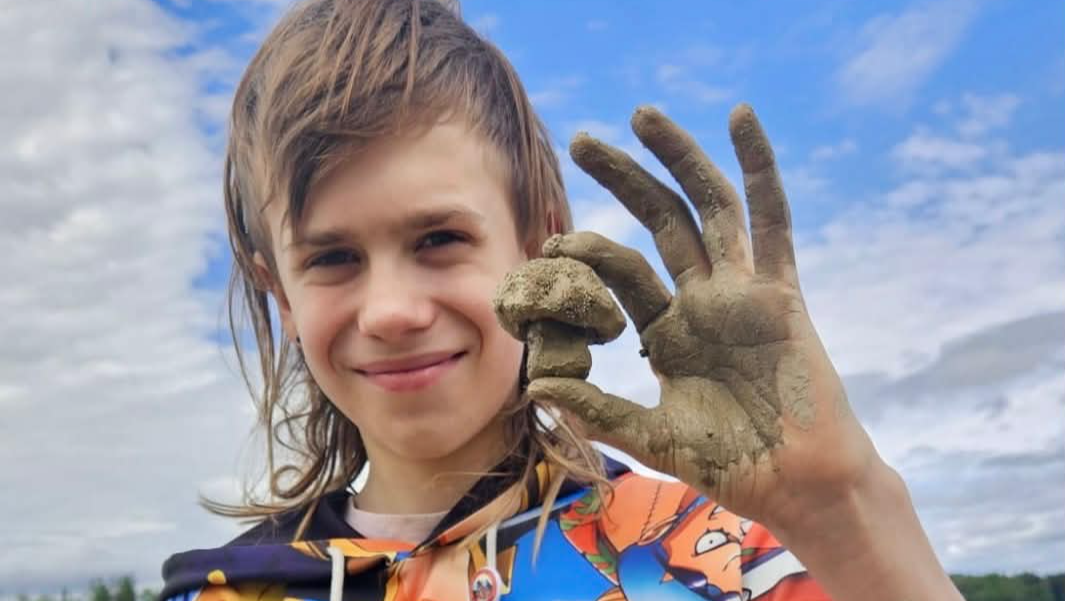
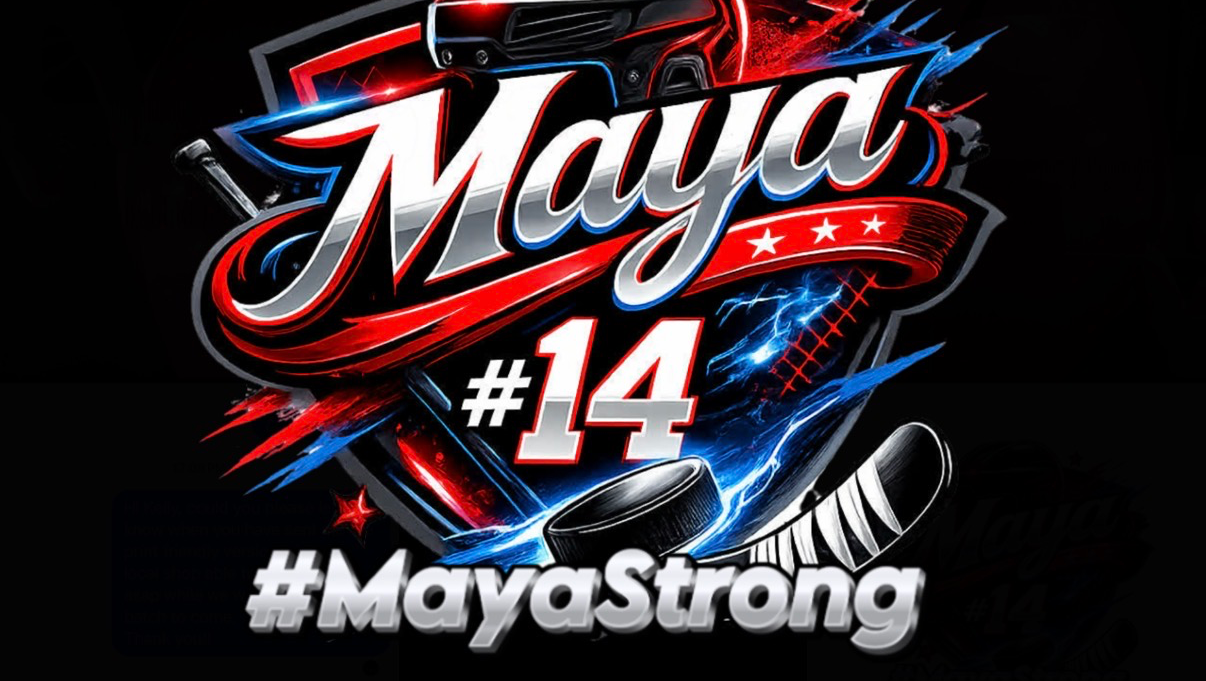
The plaintiffs include 12-year-old Maya Gebala, who was severely injured after being shot in the head, and the father of Abel Mwansa Jr., also 12, who was killed in the shooting.
Jesse Van Rootselaar, 18, shot and killed her mother and half-brother at their home before going on to fatally shoot five children and a teacher at the secondary school. Numerous others were injured.
Van Rootselaar died of a self-inflicted gunshot.
Shooter’s ‘disturbing content’
Lawyers with firm Rice Parsons Leoni & Elliot LLP said Van Rootselaar’s ChatGPT account was banned prior to the shooting for “disturbing content,” which allegedly included planning violent scenarios.
“However, despite some 12 different OpenAI employees imploring the company to notify Canadian law enforcement about the Shooter’s plans, nothing else was done,” the firm said in a media release, per CBC News.
The law firm presented seven lawsuits filed by shooting victims. Litigating the case in Canada would be challenging as damages for pain and suffering cases are capped at about $470,000, they said.
That’s why they are suing OpenAI in California “to pursue landmark damage awards.” The firm also noted that a lawsuit filed in British Columbia by the family of Maya Gebala has been discontinued.
042926-2026-Breakthrough-Prize-Ceremony
Sam Altman arrives at the 12th Breakthrough Prize Ceremony on Saturday, April 18, 2026, at Barker Hangar in Santa Monica, Calif. Photo by Jordan Strauss /Jordan Strauss/Invision/AP
What OpenAI has said on shooting
After the shooting, OpenAI commented on the incident, stating Van Rootselaar’s worrisome behaviour while using ChatGPT was flagged by its staff, but they didn’t go to the police with their concerns.
The artificial intelligence company admitted that Rootselaar got around a chatbot ban by creating a second account, CityNews reported.
In a statement, OpenAI said it has a “zero-tolerance policy for using our tools to assist in committing violence.”
“As we shared with Canadian officials, we have already strengthened our safeguards, including improving how ChatGPT responds to signs of distress, connecting people with local support and mental health resources, strengthening how we assess and escalate potential threats of violence, and improving detection of repeat policy violators,” the statement read, per CBC News.
Last week, Altman apologized for OpenAI not alerting authorities about Van Rootselaar’s behaviour and account bans.
“The pain your community has endured is unimaginable,” Altman wrote in a letter.
“I am deeply sorry we did not alert law enforcement to the account that was banned in June. While I know words can never be enough, I believe an apology is necessary to recognize the harm and irreversible loss your community has suffered.”
— With files from The Canadian Press
Several victims' families affected by the February mass shooting in Tumbler Ridge are now suing OpenAI and its founder.

toronto.citynews.ca
The victims accuse Altman and his AI company of failing to warn authorities, among other allegations. Read on.

torontosun.com