


Well, that's true. Burning fossil fuels has nothing to do with climate.Great , but none of that is in the climate debate .
Well, that's true. Burning fossil fuels has nothing to do with climate.Great , but none of that is in the climate debate .

What are fossil fuels?Well, that's true. Burning fossil fuels has nothing to do with climate.
Taking the lead and sulphur out of gasoline didn’t stop the burning of fossil fuels .Well, that's true. Burning fossil fuels has nothing to do with climate.
A not-entirely-accurate catchall term for coal in its various grades and petroleum products.What are fossil fuels?
The term itself is a fossil from the "enlightenment age" as an extremely dumbed down 17th century way of explaining geologically sourced hydrocarbons which eventually lead to thinking geo-sourced hydrocarbons were from dinosaurs later on in the 19th century which still hasn't been shaken off to this day.A not-entirely-accurate catchall term for coal in its various grades and petroleum products.

You’re talking about air toxins and not climate change here. Yes those needed to be addressed as did acid rain, and they were addressed.But if global warming is good for people, sulfur dioxide must be amazing!
I offer you Los Angeles as an example. Back in the day, it was shrouded in a permanent cloud of toxic smoke. It was where the term "smog" came from. And those were LA's glory days.
Same thing with London (England) in the late 1800s and early 1900s. Toxic air, poisonous water, and the glories of the Empire.
Given those two correlations, should we not at least examine the possible link between toxic air and water and socio-economic greatness?
Say what you will about clean air and fresh water and green growing things, the fuckin' Ozarks ain't exactly the most desirable real estate on the planet, now are they?
Climate change appears to be real. But like every other damn thing these days, the pissing and moaning (and the lawmaking and taxing) have far outrun the research into causes and cures (if we need cures).You’re talking about air toxins and not climate change here. Yes those needed to be addressed as did acid rain, and they were addressed.
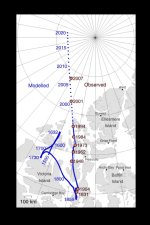
There is no cure for a rapidly transiting geomagnetic pole. The sun's energy slams into our magnetosphere and atmosphere in places and ways it didnt just 50 years ago.Climate change appears to be real. But like every other damn thing these days, the pissing and moaning (and the lawmaking and taxing) have far outrun the research into causes and cures (if we need cures).
But it gives Canadians a reason to exercise their national pastime, pissing and moaning.

 www.bbc.com
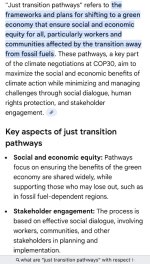
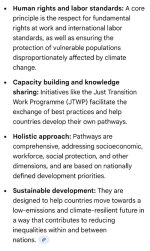
A lot of flowery words that say nothing and mean what they say .Someone want to take a stab at translating this:
The JTWP is an initiative of the United Nations Framework Convention on Climate Change (UNFCCC) that aims to promote pathways that ensure that the goals of the Paris Agreement are achieved justly and equitably. These pathways cover several dimensions, including social and environmental protection for communities and the environment.
View attachment 32109
View attachment 32110
COP30 was yet another “theater of delay” with endless discussions, and the creation of yet more administrative duties, “solely to avoid the actions that matter—committing to a just transition away from fossil fuels and putting money on the table,” he (Harjeet Singh, founding director of the Satat Sampada Climate Foundation in India and strategic advisor to the Fossil Fuel Non-Proliferation Treaty Initiative) said?
So, what’s happening here?
COP30 Backpedals on Climate Action — Inside Climate News
Offering no new plans to cut fossil fuels, the UN’s climate conference failed to produce a roadmap to stop global warming.apple.news
The most important thing to come out of COP30 is that the climate 'ship' is still afloat.
They are the richest group of nations still in the Paris Agreement but this COP has not been the European Union's finest hour.
The most persistent question asked here at COP30 over the two weeks was about the future of the 'process' itself?
For the first time global trade became one of the key issues at these talks. There was an "orchestrated" effort to raise it in every negotiating room, according to veteran COP-watcher Alden Meyer of the climate think-tank E3G.
The European Union is planning to introduce a border tax on certain high-carbon products like steel, fertiliser, cement, and aluminium and lots of its trading partners – notably China, India and Saudi Arabia aren't happy about it.
The world's two biggest carbon emitters, China and the US, had similar impacts on this COP but achieved them in different ways.
Russia, normally a relatively quiet participant, was to the fore in blocking efforts on roadmaps. And while Saudi Arabia and other major oil producers were predictably hostile to curbing fossil fuels, China stayed quiet and concentrated on doing deals. And ultimately, say experts, the business China is doing will outdo the US and their efforts to sell fossil fuels.
The COP31 climate meeting is now expected to be held in Turkey after Australia dropped its bid (?) to host the annual event.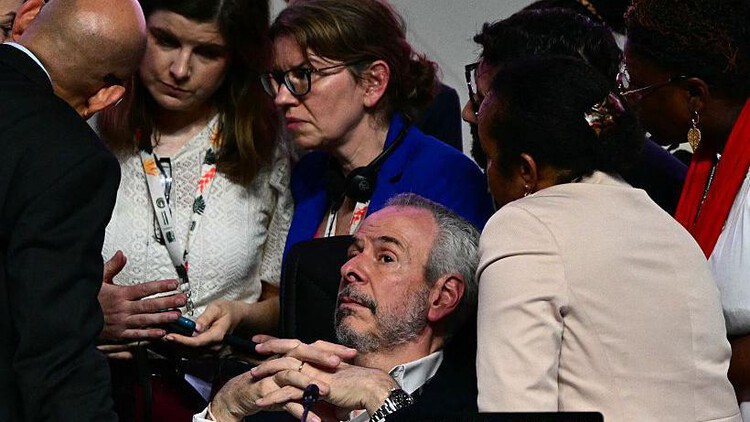
COP30 - Five key takeaways from a deeply divisive climate summit — BBC News
What did we learn from a climate summit that ended in a deal with no new mention of fossil fuels?
Under the UN rules, the right to host the COP in 2026 falls to a group of countries made up of Western Europe, Australia and others. There will be relief among countries currently meeting at COP30 in the Brazilian city of Belém that a compromise has been reached as the lack of agreement on the venue was becoming an embarrassment for the UN? A pre-COP meeting will be held on a Pacific island, while the main event is held in Turkey. Australia's climate minister Chris Bowen will be its president.
Turkey set to host COP31 after reaching compromise with Australia
Australia will now support the Turkish bid to host the climate talks in return for their minister chairing them.

 r. Sylvain Charlebois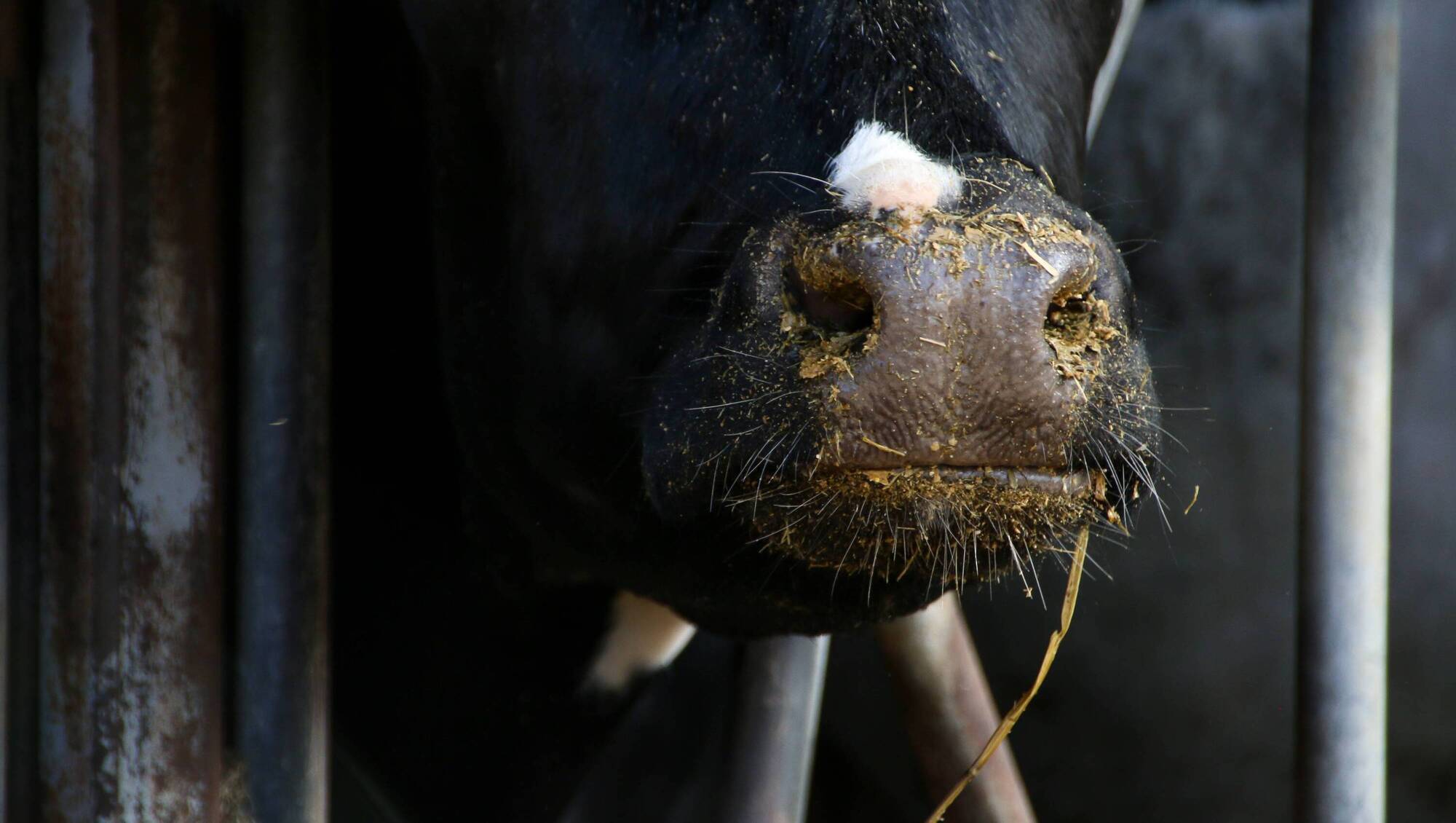
 irishexaminer.com
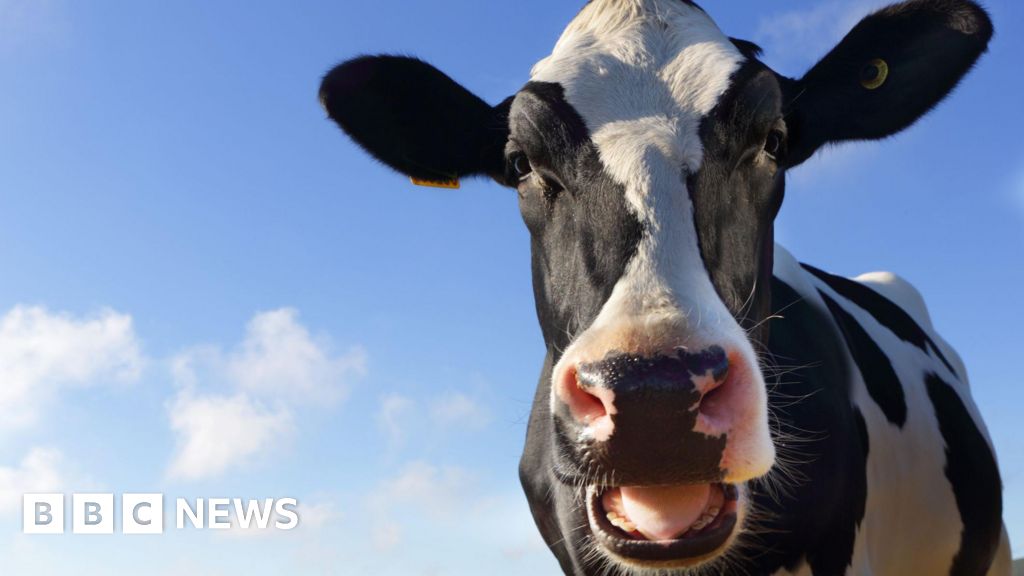 bbc.com

 dsm-firmenich.com

Here's the scoop. The high end finishing lots are already feeding beef with remainders of ethanol production which is high protein and low carbs reducing farts.Ottawa wants fewer cow farts, but farmers not blowing hot air
Bovaer, a methane-reducing feed ingredient for cattle, reduces emissions by up to 45% — but no additive works if farmers don't trust it.
Author of the article
Published Nov 25, 2025 • 3 minute read
Dairy cows on a farm in B.C. on Dec. 19, 2024.
Dairy cows on a farm in B.C. on Dec. 19, 2024.
Canada’s approval of Bovaer earlier in 2024 was hailed as a climate breakthrough. The additive, designed to reduce methane emissions from dairy and beef cattle, was endorsed by Health Canada and the Canadian Food Inspection Agency (CFIA) after extensive review. For many, it symbolized progress: a clean, simple intervention promising climate benefits without compromising productivity.
But good intentions do not exempt us from vigilance. Over the past few weeks, troubling reports have emerged from parts of Europe. Danish farmers have paused the use of Bovaer after noticing unexplained health issues among their herds. Norway’s largest dairy cooperative has temporarily suspended pilot usage, citing precaution while national authorities investigate. No regulator has established a causal link, and to be clear, the science behind Bovaer remains strong. But the existence of such incidents — however anecdotal — reminds us that real farms are not controlled environments. Biology is rarely linear, and the adoption of new technologies in agriculture often exposes conditions unexpected in laboratory trials.
If we separate the science from the headlines, Bovaer’s mitigation potential is genuine. Controlled studies consistently show that Bovaer can reduce enteric methane emissions by 20% to 30% in dairy cattle, and up to 45% in beef feedlot animals, depending on dose and diet. These reductions are far greater than what most producers can achieve through management changes alone. For a sector responsible for roughly 14% of Canada’s total methane emissions, a tool capable of cutting emissions by a quarter is not trivial. In fact, few other agricultural interventions offer this kind of immediate, measurable impact.
Yet Canada’s picture remains more opaque than it should be. While any dairy or beef producer can use Bovaer today, we do not know how many actually are. Adoption appears minimal, but reliable national data simply do not exist. If we are serious about quantifying environmental benefits — or potential risks — we need to track uptake, monitor animal-health outcomes, and understand real-world performance across diverse production systems. Canada cannot rely on supplier press releases or scattered farmer anecdotes to assess a technology with national implications.
There is, however, a more fundamental question we should ask: Are we introducing climate-focused additives faster than we are improving the baseline economics of Canadian livestock farming?
The Bovaer story also reveals something deeper about the state of agricultural innovation in Canada. Unlike Europe, we have no national methane-reduction mandate for livestock, no dedicated funding stream tied to feed-additive adoption, and no public reporting structure for on-farm results. Approvals have moved forward, but the implementation ecosystem remains largely theoretical. The gap between policy aspiration and practical deployment is widening.
None of this means Bovaer should be abandoned. Far from it. The science behind 3-NOP is strong, and the product demonstrably reduces methane when used appropriately. But enthusiasm must be matched with transparency and caution. Ignoring farmer experiences in other countries would be irresponsible. Pretending Canada is immune to such challenges would be worse.
Agricultural innovation should never be a race. It should be a disciplined, evidence-driven process that integrates farmers’ realities, protects consumers, and strengthens the competitiveness of Canadian food production. The recent reports from Europe are not an indictment — they are a reminder. Climate technologies only work when the people who adopt them are confident, well-supported, and well-informed.
A lack of transparency surrounding the use of 3-NOP and Bovaer will only fuel greater skepticism, both within the industry and among consumers.
Canada now has an opportunity. Instead of rushing toward symbolic wins, we should invest in monitoring, data collection, and communication. We should listen to farmers — not lecture them. And above all, we should anchor every climate intervention in the same principle that guides good food policy: innovation should help producers thrive, not simply help governments hit targets.
— Sylvain Charlebois is director of the Agri-Food Analytics Lab at Dalhousie University, co-host of The Food Professor Podcast and visiting scholar at McGill University.
Norwegian co-op pauses use of Bovaer with suppliers
It follows claims from Danish farmers that using the methane-reducing supplement has caused adverse side-effects on their herdsBovaer: Methane-cutting cow feed trials on Arla dairy farms end
The UK's largest dairy co-operative is now reviewing the results of the tests of Bovaer on 30 farms.Canada approves Bovaer® as first feed ingredient to reduce methane emissions from cattle
The Canadian authorities today granted market authorization for Bovaer®, a methane reducing feed ingredient for cattle, which enables dairy and beef farmers to substantially lower their carbon footprint.CHARLEBOIS: Ottawa wants fewer cow farts, but farmers not blowing hot air
Canada’s approval of Bovaer earlier in 2024 was hailed as a climate breakthrough. Read more from Dr. Sylvain Charlebois.torontosun.com

Canadian Food Inspection Agency (CFIA)What caused a massive die-off of penguins off the South African coast?
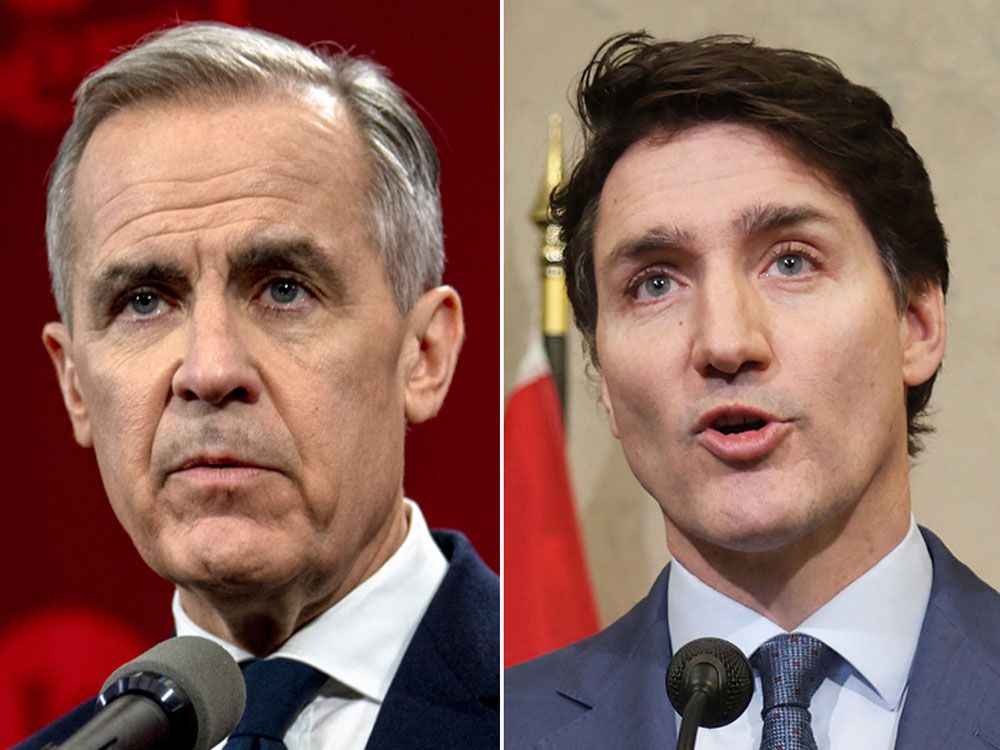 ostmedia News
After what has happened with Covid, I would not trust ANYTHING to be injected into our foods including beef!! They've lied to us about the effectiveness & I'm willing to bet (as the farmers in Europe are discovering) that they've likely lied to us about this as well. We're fools if we fall for this crap!!Ottawa wants fewer cow farts, but farmers not blowing hot air
Bovaer, a methane-reducing feed ingredient for cattle, reduces emissions by up to 45% — but no additive works if farmers don't trust it.
Author of the article
Published Nov 25, 2025 • 3 minute read
Dairy cows on a farm in B.C. on Dec. 19, 2024.
Dairy cows on a farm in B.C. on Dec. 19, 2024.
Canada’s approval of Bovaer earlier in 2024 was hailed as a climate breakthrough. The additive, designed to reduce methane emissions from dairy and beef cattle, was endorsed by Health Canada and the Canadian Food Inspection Agency (CFIA) after extensive review. For many, it symbolized progress: a clean, simple intervention promising climate benefits without compromising productivity.
But good intentions do not exempt us from vigilance. Over the past few weeks, troubling reports have emerged from parts of Europe. Danish farmers have paused the use of Bovaer after noticing unexplained health issues among their herds. Norway’s largest dairy cooperative has temporarily suspended pilot usage, citing precaution while national authorities investigate. No regulator has established a causal link, and to be clear, the science behind Bovaer remains strong. But the existence of such incidents — however anecdotal — reminds us that real farms are not controlled environments. Biology is rarely linear, and the adoption of new technologies in agriculture often exposes conditions unexpected in laboratory trials.
If we separate the science from the headlines, Bovaer’s mitigation potential is genuine. Controlled studies consistently show that Bovaer can reduce enteric methane emissions by 20% to 30% in dairy cattle, and up to 45% in beef feedlot animals, depending on dose and diet. These reductions are far greater than what most producers can achieve through management changes alone. For a sector responsible for roughly 14% of Canada’s total methane emissions, a tool capable of cutting emissions by a quarter is not trivial. In fact, few other agricultural interventions offer this kind of immediate, measurable impact.
Yet Canada’s picture remains more opaque than it should be. While any dairy or beef producer can use Bovaer today, we do not know how many actually are. Adoption appears minimal, but reliable national data simply do not exist. If we are serious about quantifying environmental benefits — or potential risks — we need to track uptake, monitor animal-health outcomes, and understand real-world performance across diverse production systems. Canada cannot rely on supplier press releases or scattered farmer anecdotes to assess a technology with national implications.
There is, however, a more fundamental question we should ask: Are we introducing climate-focused additives faster than we are improving the baseline economics of Canadian livestock farming?
The Bovaer story also reveals something deeper about the state of agricultural innovation in Canada. Unlike Europe, we have no national methane-reduction mandate for livestock, no dedicated funding stream tied to feed-additive adoption, and no public reporting structure for on-farm results. Approvals have moved forward, but the implementation ecosystem remains largely theoretical. The gap between policy aspiration and practical deployment is widening.
None of this means Bovaer should be abandoned. Far from it. The science behind 3-NOP is strong, and the product demonstrably reduces methane when used appropriately. But enthusiasm must be matched with transparency and caution. Ignoring farmer experiences in other countries would be irresponsible. Pretending Canada is immune to such challenges would be worse.
Agricultural innovation should never be a race. It should be a disciplined, evidence-driven process that integrates farmers’ realities, protects consumers, and strengthens the competitiveness of Canadian food production. The recent reports from Europe are not an indictment — they are a reminder. Climate technologies only work when the people who adopt them are confident, well-supported, and well-informed.
A lack of transparency surrounding the use of 3-NOP and Bovaer will only fuel greater skepticism, both within the industry and among consumers.
Canada now has an opportunity. Instead of rushing toward symbolic wins, we should invest in monitoring, data collection, and communication. We should listen to farmers — not lecture them. And above all, we should anchor every climate intervention in the same principle that guides good food policy: innovation should help producers thrive, not simply help governments hit targets.
— Sylvain Charlebois is director of the Agri-Food Analytics Lab at Dalhousie University, co-host of The Food Professor Podcast and visiting scholar at McGill University.
Norwegian co-op pauses use of Bovaer with suppliers
It follows claims from Danish farmers that using the methane-reducing supplement has caused adverse side-effects on their herdsBovaer: Methane-cutting cow feed trials on Arla dairy farms end
The UK's largest dairy co-operative is now reviewing the results of the tests of Bovaer on 30 farms.Canada approves Bovaer® as first feed ingredient to reduce methane emissions from cattle
The Canadian authorities today granted market authorization for Bovaer®, a methane reducing feed ingredient for cattle, which enables dairy and beef farmers to substantially lower their carbon footprint.CHARLEBOIS: Ottawa wants fewer cow farts, but farmers not blowing hot air
Canada’s approval of Bovaer earlier in 2024 was hailed as a climate breakthrough. Read more from Dr. Sylvain Charlebois.
enette Wilford
Yet at this point in time the British Columbia water report is growing a pretty much average year with respect to snowfall at 107& of average at this point .Will 2026 be the hottest year on record for Canada?
There is a greater than 99% chance that 2026 will be hotter than every year on record prior to 2023, the federal government says
Author of the article
Published Jan 20, 2026 • Last updated 1 day ago • 2 minute read
In this file photo, tourists beat the heat at the fountain at Nathan Phillips Square in Toronto on Friday July 12, 2024.
Tourists beat the heat at the fountain at Nathan Phillips Square in Toronto on Friday July 12, 2024. Photo by Ernest Doroszuk /Toronto Sun
This year is set to be one of the hottest years on record, according to Environment and Climate Change Canada — but will 2026 be the most sweltering yet?
Canada’s newly released annual global mean temperature forecast is providing some early predictions on what we can expect this year.
Following record-breaking heat around the world in 2023 and 2024, as well as a comparably scorching 2025, those hot temperatures will remain “at historically high levels,” the government department says.
How will 2026 compare to recent years?
While 2024 remains the hottest year ever observed, forecasters say that based on current modelling, the temperature in 2026 is expected to stay between 1.35C and 1.53C “above pre-industrial levels.”
The year 2024 was the first year to globally exceed the 1.5C threshold established by the Paris Agreement — though 2026 isn’t far off, and is estimated to reach 1.44C.
That said, Environment and Climate Change Canada predicts only a 12% chance that 2026 will exceed 2024’s numbers.
However, the agency notes there is a greater than 99% chance that 2026 will be hotter than every year on record prior to 2023.
This will mark the 13th consecutive year temperatures will be at least one degree higher than levels observed before the advent of the Industrial Revolution.
“Canadians are already experiencing the impacts of a changing climate, from extreme heat to increased risks to communities and infrastructure,” federal Environment Minister Julie Dabrusin said in a statement.
Records made to be broken?
Heat records across Canada were broken last year, with the number of days above 30C hitting record highs in many Canadian cities.
Last June’s heat wave had daytime highs of up to 36C, putting humidex values between 42C and 46C.
Toronto Public Health recorded 42 heat-related emergency department visits during the extreme conditions that gripped much of Ontario.
A public health spokesperson said the number of weather-related ER visits to Toronto hospitals over the three-day heat wave is consistent with the health risks of heat exposure, “particularly for vulnerable populations.”
Will 2026 be the hottest year on record for Canada?
A report from Environment and Climate Change Canada predicts 2026 is set to be one of the hottest years on record. Learn more.
All they're doing is guessing. They REALLY don't know what the temps will be like.Will 2026 be the hottest year on record for Canada?
There is a greater than 99% chance that 2026 will be hotter than every year on record prior to 2023, the federal government says
Author of the article
Published Jan 20, 2026 • Last updated 1 day ago • 2 minute read
In this file photo, tourists beat the heat at the fountain at Nathan Phillips Square in Toronto on Friday July 12, 2024.
Tourists beat the heat at the fountain at Nathan Phillips Square in Toronto on Friday July 12, 2024. Photo by Ernest Doroszuk /Toronto Sun
This year is set to be one of the hottest years on record, according to Environment and Climate Change Canada — but will 2026 be the most sweltering yet?
Canada’s newly released annual global mean temperature forecast is providing some early predictions on what we can expect this year.
Following record-breaking heat around the world in 2023 and 2024, as well as a comparably scorching 2025, those hot temperatures will remain “at historically high levels,” the government department says.
How will 2026 compare to recent years?
While 2024 remains the hottest year ever observed, forecasters say that based on current modelling, the temperature in 2026 is expected to stay between 1.35C and 1.53C “above pre-industrial levels.”
The year 2024 was the first year to globally exceed the 1.5C threshold established by the Paris Agreement — though 2026 isn’t far off, and is estimated to reach 1.44C.
That said, Environment and Climate Change Canada predicts only a 12% chance that 2026 will exceed 2024’s numbers.
However, the agency notes there is a greater than 99% chance that 2026 will be hotter than every year on record prior to 2023.
This will mark the 13th consecutive year temperatures will be at least one degree higher than levels observed before the advent of the Industrial Revolution.
“Canadians are already experiencing the impacts of a changing climate, from extreme heat to increased risks to communities and infrastructure,” federal Environment Minister Julie Dabrusin said in a statement.
Records made to be broken?
Heat records across Canada were broken last year, with the number of days above 30C hitting record highs in many Canadian cities.
Last June’s heat wave had daytime highs of up to 36C, putting humidex values between 42C and 46C.
Toronto Public Health recorded 42 heat-related emergency department visits during the extreme conditions that gripped much of Ontario.
A public health spokesperson said the number of weather-related ER visits to Toronto hospitals over the three-day heat wave is consistent with the health risks of heat exposure, “particularly for vulnerable populations.”
Will 2026 be the hottest year on record for Canada?
A report from Environment and Climate Change Canada predicts 2026 is set to be one of the hottest years on record. Learn more.

