


The Tarriff Hype.
- Thread starter petros
- Start date
You are using an out of date browser. It may not display this or other websites correctly.
You should upgrade or use an alternative browser.
You should upgrade or use an alternative browser.


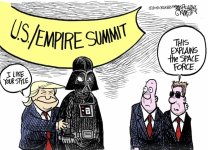
Lando Calrissian: “That wasn’t part of the deal!”
Darth Vader: “I am altering the deal. Pray I don’t alter it any further.”
Lando: “This deal is getting worse all the time!”
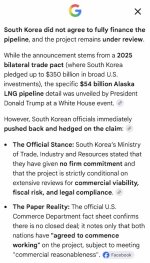
 As he left the White House for a campaign rally in Alabama on Friday, Donald Trump was asked by a reporter if he had “jumped the gun” by announcing on Wednesday that South Korea had agreed to pay for a $54bn natural gas pipeline in Alaska, only for a Korean official to contradict him on Thursday, saying that Korea had only agreed to “initiate a review” of the possible investment, and South Korean lawmakers pointed out that a single $54 billion commitment would massively violate the $20 billion annual outbound investment cap established by South Korea's National Assembly.
“No, I didn’t jump the gun,” Trump replied. “Let’s see if they don’t want to do it. That’s okay with me. I’ll just charge them more.”

When he announced the pipeline project in an Oval Office ceremony on Wednesday, the president claimed that the Korean investment was part of a deal he struck in 2025, to lower tariffs on imports from South Korea in return for billions of dollars of investments in the US.
{Political scientists and economists frequently use terms like "gangster logic" or "gangster diplomacy" to describe Trump's foreign policy. Scholars argue that by bypassing multilateral institutions (like the WTO) and using unilateral tariffs or withholding aid as leverage like with the Ukraine, his administration treats international statecraft like a corporate or mafia-style extortion scheme}

Trump’s move to gut South Korea alliance is ‘inane, haphazard decision’, lawmakers say
US president’s abrupt order to scale back joint exercises with Seoul is meant to ‘flatter’ North Korea’s dictator, top Democrat says
In the August 2026 shake-down, U.S. President Donald Trump abruptly ordered a substantial scale-back of the annual Ulchi Freedom Shield joint military drills. According to reports from the Associated Press, Trump cited the high costs borne by the U.S., his personal relationship with North Korean leader Kim Jong Un, and Seoul’s refusal to participate in U.S. military operations against Iran as reasons for the reduction that
The lower mainland gets overpass hits almost weekly. Mostly by flipflop trucks. They can't measure in either system.Yep….true, & out here on the prairies overpass bridges are costly getting hit by tall equipment loads as truckers are coming up on them at 60 mile an hourtrying to mentally convert metric to imperial.
I have a Jamaican friend who really doesn’t think in imperial like most Canadians still do half the time, depending on what they’re measuring and imperial sounds like gibberish to him (he’s an exception to the Canadian rule of mixed confusion measures). Have you tried to purchase a metric tape measure recently in Canada?
…& half a century later, we’re still stuck with two measurement systems, one official and one unofficial, but very real. Yes there are only three countries on the planet that still use the imperial system as their official measuring system…but one of them is Canada‘s largest trading partner and the only one that we’re physically connected to.
I’m in commercial international shipping, of products made in the US for the Canadian market and built to Canadian standards, with documentation for import into Canada. About 1/2 the American manufacturers use metric for these documents, and about half don’t. If I’m setting up a border crossing for a mixed load of RV’s with one of the units being from Forest River (only uses Imperial) and the other being Keystone (uses Metric), and CBSA allows one measurement system per load…do I convert the metric into imperial so they’re both the same? Or do I convert the imperial into metric so they’re both the same?
In all honesty, it depends on my mood because I think in both systems. Somebody older than me by a decade would convert everything into imperial, and somebody younger than me by a decade would convert everything into metric. I totally get where you’re coming from.
I work reasonably well in metric for n old guy, but we have had metric equipment since the late 70s, and government construction and logs have been metric since that time , mostly. But I still convert a lot to Imperial to ensure my eyeball and the numbers are close. We still have a lot of dirt taxi drivers that don't know the difference between bank yards and truck yards, so now that almost all pits are selling by metric ton, they get really confused.
This may be a contrary opinion, but my heart really goes out to these guys, or many of them anyway. They come to Canada as accountants and software programmers, and they pay big money to get out of India and over here, only to find out once they’re here that, “You’re gonna be a Super-Trucker!” & get punched through those schools and out on the road with no real world experience with things like…winter, commercial hauling, etc…& then they owe a bigger debt for the trucker schooling in the indentured servitude world of immigration from India.The lower mainland gets overpass hits almost weekly. Mostly by flipflop trucks. They can't measure in either system.
We would just “gently” scale it into the trucks with my mantra of, “Don’t break the truck, don’t break the truck, etc…” with 844K2’s.I work reasonably well in metric for n old guy, but we have had metric equipment since the late 70s, and government construction and logs have been metric since that time , mostly. But I still convert a lot to Imperial to ensure my eyeball and the numbers are close. We still have a lot of dirt taxi drivers that don't know the difference between bank yards and truck yards, so now that almost all pits are selling by metric ton, they get really confused.

From what I have seen most of the seat warmers come straight from an ox plow to superB. They can't read or speak English. They are allowed a translator to do the driving exam, which is scary enough. Also have their own driving schools. Perhaps more importantly, the flipflop trucking companies all have dispatchers that either don't do English, or don't care about weights and measures. SO, they either do not get, or lie about size to get permits. Weights is a problem when the shipper does not know the weights either, but that is easily corrected at the scales. Our system is pretty good. When you call in for an overweight they will leave the number blank until you get to the scale and then that is the number put on the permit. Or you can just permit to max for your axels and hope.This may be a contrary opinion, but my heart really goes out to these guys, or many of them anyway. They come to Canada as accountants and software programmers, and they pay big money to get out of India and over here, only to find out once they’re here that, “You’re gonna be a Super-Trucker!” & get punched through those schools and out on the road with no real world experience with things like…winter, commercial hauling, etc…& then they owe a bigger debt for the trucker schooling in the indentured servitude world of immigration from India.
We would just “gently” scale it into the trucks with my mantra of, “Don’t break the truck, don’t break the truck, etc…” with 844K2’s.
The dirt taxi problem isn't so much the weight in the truck, but the number of loads required. a truck yard(meter) is aprox 1/3 larger than a bank yard, so they get confused on the number of loads required.
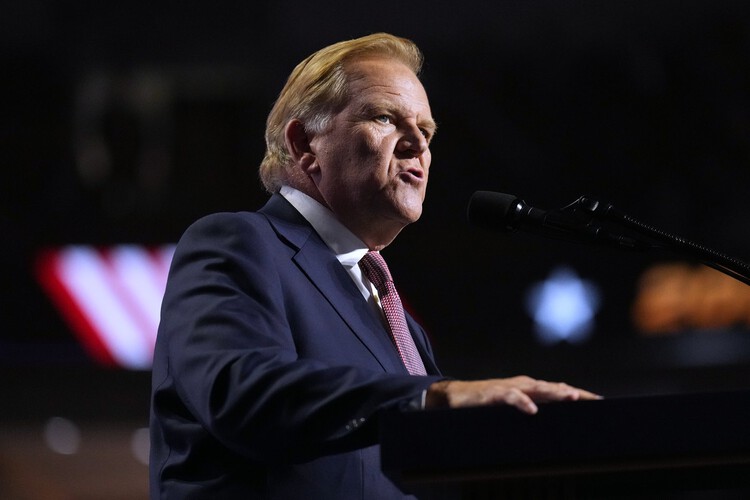
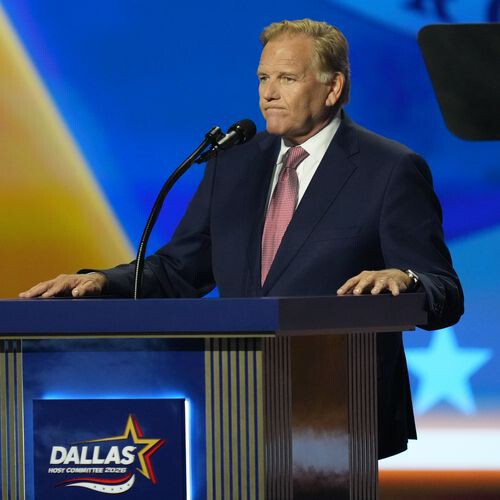
Michigan Senate candidate Mike Rogers has broken with U.S. President Donald Trump over his trade war with Canada as the Republican faces a tight race in a state hit hard by the tariffs. In a campaign ad posted on social media Wednesday, Rogers said people in Michigan "know that Canada is not our enemy."
"We need to end this tariff war now," Rogers said in the ad, which shows the Republican sitting at a bar and holding a Labatt's beer. While Rogers doesn't mention Trump's name in the ad, it marks a shift in messaging for the former congressman, who previously said tariffs are necessary but not a one-size-fits-all solution.
 But the president's trade war with Canada has become a ballot issue in the close race between Rogers and Democrat candidate Abdul El-Sayed. In response to Rogers' Wednesday ad, El-Sayed said the Republican has supported Trump's tariffs from the beginning.
 apple.news
“In a news release, El-Sayed said Trump is the reason for the trade war and the reason Rogers is running. He said his opponent is "not a serious person."
apple.news
“In a news release, El-Sayed said Trump is the reason for the trade war and the reason Rogers is running. He said his opponent is "not a serious person."
"Must have had one too many of those Labatts, Mike," El-Sayed said, adding Rogers supported the tariff war "from the beginning" and is "flip-flopping now" because his poll numbers "are in freefall."
 apple.news
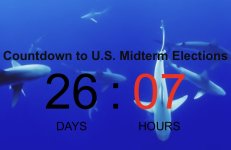
= Not enough time to parachute in a replacement republican for Rogers that parrots Trump verbatim, so Rogers remains the Trump-endorsed Republican nominee in a tight race against Democratic candidate Abdul El-Sayed, and neither Trump nor campaign officials have withdrawn support following the ad.
 apple.news
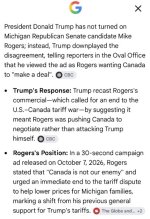
“Well, I viewed it as though he wanted Canada to make a deal," Trump said. "We don't want them to make cars for us.... It's a long story, but they've been ripping us off. Canada has been ripping us off for many, many years and they're not going to rip us off anymore," he trumped.
apple.news
“Well, I viewed it as though he wanted Canada to make a deal," Trump said. "We don't want them to make cars for us.... It's a long story, but they've been ripping us off. Canada has been ripping us off for many, many years and they're not going to rip us off anymore," he trumped.
 apple.news
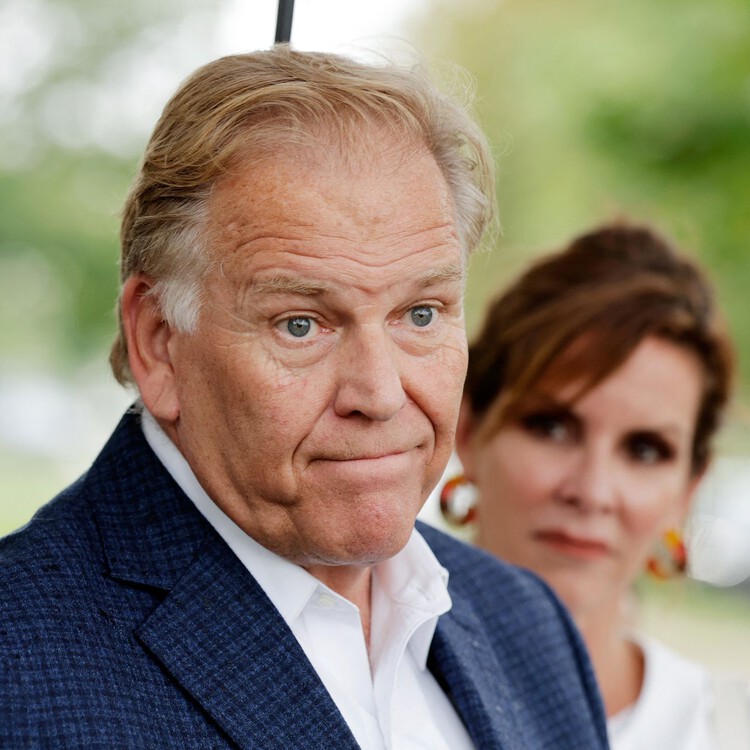
This is an about-face for Rogers, who earlier had endorsed the tariffs Trump levied on Canadian goods.
apple.news
This is an about-face for Rogers, who earlier had endorsed the tariffs Trump levied on Canadian goods.
 apple.news
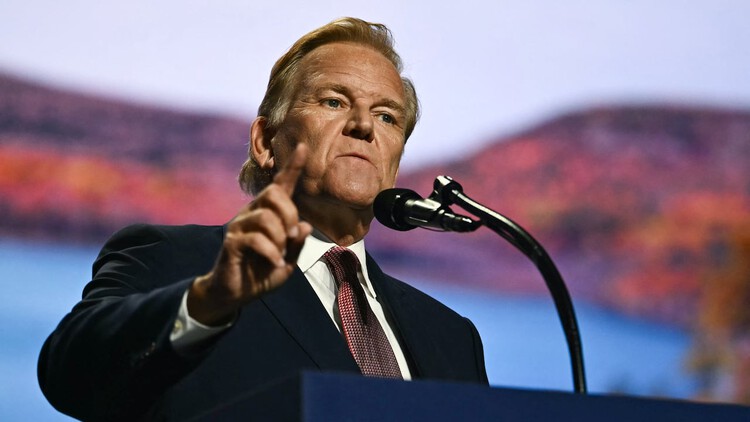
In an interview with Fox News this summer, Rogers said Trump's trade policy designed to "reindustrialize" the U.S. was "huge for us ... all of these things are really positive." He said Canada wants to sell hundreds of thousands of cars into Michigan and that should be "absolutely unacceptable" because those exports "undercut the people who build cars and car parts."
apple.news
In an interview with Fox News this summer, Rogers said Trump's trade policy designed to "reindustrialize" the U.S. was "huge for us ... all of these things are really positive." He said Canada wants to sell hundreds of thousands of cars into Michigan and that should be "absolutely unacceptable" because those exports "undercut the people who build cars and car parts."
"The Canadians have not been good partners on this," he said. Rogers's break with the president on Canadian trade policy comes as polls suggest Trump's tariffs are deeply unpopular in the U.S. Only 26 per cent of Americans surveyed for a Politico poll late last month said levying tariffs on Canadian goods was the right thing to do.
 apple.news
The Canadian and U.S. auto sectors have one of the most deeply intertwined cross-border manufacturing relationships in the world. Canada does not "undercut" the U.S. industry, as Rogers describes; rather, it supplies critical parts used in assembly plants throughout the U.S. Some of those components cross the border a half-dozen times or more because these sectors are so integrated after decades of free trade, with Canadian plants specializing in particular parts and powertrains
apple.news
The Canadian and U.S. auto sectors have one of the most deeply intertwined cross-border manufacturing relationships in the world. Canada does not "undercut" the U.S. industry, as Rogers describes; rather, it supplies critical parts used in assembly plants throughout the U.S. Some of those components cross the border a half-dozen times or more because these sectors are so integrated after decades of free trade, with Canadian plants specializing in particular parts and powertrains .
.

 www.youtube.com
"We need to end this tariff war now," Rogers said in the ad, which shows the Republican sitting at a bar and holding a Labatt's beer.
While Rogers doesn't mention Trump's name in the ad, it marks a shift in messaging for the former congressman, who previously said tariffs are necessary but not a one-size-fits-all solution.But the president's trade war with Canada has become a ballot issue in the close race between Rogers and Democrat candidate Abdul El-Sayed. In response to Rogers' Wednesday ad, El-Sayed said the Republican has supported Trump's tariffs from the beginning.FBI post featuring El-Sayed runs afoul of Hatch Act, say experts — The Hill
A new video from the FBI has spurred complaints the bureau has violated the Hatch Act by labeling Democrats – including current Michigan Senate candidate Abdul El-Sayed – as part of the “defund the police crowd.”
"Must have had one too many of those Labatts, Mike," El-Sayed said, adding Rogers supported the tariff war "from the beginning" and is "flip-flopping now" because his poll numbers "are in freefall."
Michigan Republican candidate breaks with Trump over tariffs on Canada — The Canadian Press
Michigan Senate candidate Mike Rogers has broken with U.S. President Donald
= Not enough time to parachute in a replacement republican for Rogers that parrots Trump verbatim, so Rogers remains the Trump-endorsed Republican nominee in a tight race against Democratic candidate Abdul El-Sayed, and neither Trump nor campaign officials have withdrawn support following the ad.
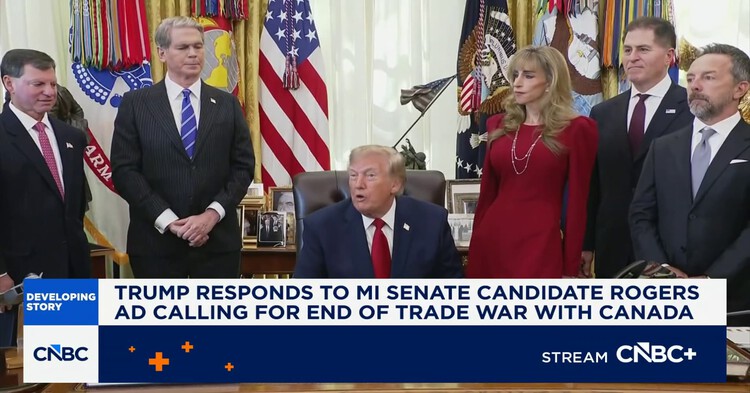
Trump responds to Mike Rogers ad calling for end of trade war with Canada — CNBC
President Trump responds to Michigan Republican Senate nominee Mike Rogers breaking with him on tariffs.
GOP Senate candidate Mike Rogers slams Trump's trade war: 'Canada is not our enemy' — The Washington Times
Michigan's Republican Senate candidate Mike Rogers denounced the trade war with Canada in a new ad in which he distances himself from President Trump.
Michigan Senate hopeful Mike Rogers distances himself from Trump — Axios
Michigan Republican Senate nominee Mike Rogers called for an immediate end to President Trump's tariff war with Canada in a new ad Wednesday.
"The Canadians have not been good partners on this," he said. Rogers's break with the president on Canadian trade policy comes as polls suggest Trump's tariffs are deeply unpopular in the U.S. Only 26 per cent of Americans surveyed for a Politico poll late last month said levying tariffs on Canadian goods was the right thing to do.
'Canada is not our enemy': Michigan Republican Senate candidate breaks with Trump on trade war — CBC News
The Republican candidate in a pitched battle for Michigan's open Senate seat is calling on U.S. President Donald Trump to end the trade war with Canada.
.
Mike Rogers Breaks With Trump Over Iran War: ‘Time Is Now To Wind This Thing Up’
US Congressman Mike Rogers has expressed a differing stance from President Donald Trump on the Iran war, saying the time has come to begin winding down the c...
www.youtube.com
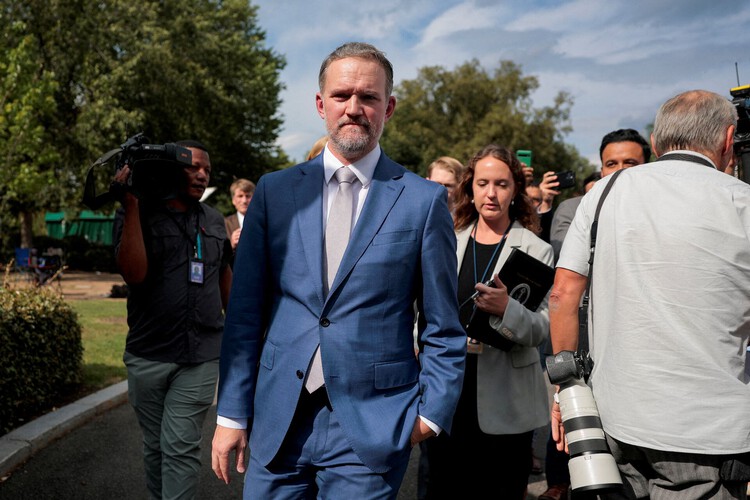
US Trade Representative Jamieson Greer said on Thursday the US is sticking to its stance in trade talks with Canada, saying a recent election in Quebec province is preoccupying Ottawa? Really? After half a century of Quebec’s posturing, we’re kinda used to that, so it’s hardly a distraction….
“We speak with our Canadian counterparts frequently, including at the highest levels. I think right now people are seeing where things land," Greer said in an interview with CNBC. "They have an election up there. ... They have a little bit of preoccupation up there. I'd say. I think we're we're holding fast with the Canadians."
"When the Canadians want to get to yes, obviously we'll be there ready to talk," Greer said?
Yes to what?
 apple.news
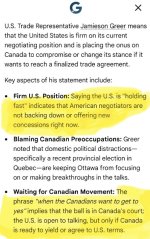
So….Canada can come to the table as long as it expects nothing in return for “negotiations” while it capitulates to coercion by the Trump Administration?
During negotiations, the Trump administration reportedly demanded concessions that would grant the U.S. a functional veto over Canada's future independent trade deals with third-party nations just like it’s currently attempting in its bilateral negotiations with Mexico. Analysts at The Hub noted that accepting such language would permanently undermine Canadian sovereignty which Canada wasn’t interested in doing.
Accepting a deal that leaves significant U.S. tariffs in place—even if they are slightly lower than those applied to other nations—would formalize protectionism like it’s also currently attempting with Mexico in that bilateral negotiation. According to a report by the Centre for Future Work, this would cause long-term capital flight as businesses lose hope that tariffs are just a temporary bargaining chip, which Canada also wasn’t interested in doing.
Mr Greer, it could be a long wait. Greer has not outlined a specific countdown for Canadian "capitulation," instead stating that the U.S. is comfortable waiting because core American economic needs (such as imports of oil, natural gas, and potash) continue uninterrupted.
While Washington claims patience, the U.S. has threatened or implemented escalating measures—including a 50% tariff framework on key Canadian sectors and targeted import bans on items like alcohol and dairy—with a broader risk of auto sector tariffs looming toward the start of the new year due to its mafia style version of negotiations.
Canadian officials, including Trade Minister Dominic LeBlanc and Prime Minister Mark Carney, maintain that Canada is not waiting by the phone or desperate for a deal at any cost, pointing instead to market diversification efforts.
Mexico continues to appeal to the legal protections under the existing United States-Mexico-Canada Agreement (USMCA) to preserve its preferential tariff-free access to the U.S. market. Critics argue that the Trump administration is bypassing the pact’s core protections to force ( ) concessions from Canada and Mexico.
Conversely, the White House maintains that its targeted tariffs and refusal to unconditionally renew the deal are lawful measures necessary to protect national security, combat rising trade deficits, and reshore American manufacturing . The Trump administration’s recent trade actions have sparked widespread accusations from legal experts, trade analysts, and foreign officials that the U.S. is violating the United States-Mexico-Canada Agreement (USMCA/CUSMA).
 www.iedm.org
“We speak with our Canadian counterparts frequently, including at the highest levels. I think right now people are seeing where things land," Greer said in an interview with CNBC. "They have an election up there. ... They have a little bit of preoccupation up there. I'd say. I think we're we're holding fast with the Canadians."
"When the Canadians want to get to yes, obviously we'll be there ready to talk," Greer said?
Yes to what?
USTR Greer says US "holding fast" on trade stance with Canada — Reuters
US Trade Representative Jamieson Greer said on Thursday the US is sticking to its stance in trade talks with Canada, saying a recent election in Quebec province is preoccupying Ottawa.
So….Canada can come to the table as long as it expects nothing in return for “negotiations” while it capitulates to coercion by the Trump Administration?
During negotiations, the Trump administration reportedly demanded concessions that would grant the U.S. a functional veto over Canada's future independent trade deals with third-party nations just like it’s currently attempting in its bilateral negotiations with Mexico. Analysts at The Hub noted that accepting such language would permanently undermine Canadian sovereignty which Canada wasn’t interested in doing.
Accepting a deal that leaves significant U.S. tariffs in place—even if they are slightly lower than those applied to other nations—would formalize protectionism like it’s also currently attempting with Mexico in that bilateral negotiation. According to a report by the Centre for Future Work, this would cause long-term capital flight as businesses lose hope that tariffs are just a temporary bargaining chip, which Canada also wasn’t interested in doing.
Mr Greer, it could be a long wait. Greer has not outlined a specific countdown for Canadian "capitulation," instead stating that the U.S. is comfortable waiting because core American economic needs (such as imports of oil, natural gas, and potash) continue uninterrupted.
While Washington claims patience, the U.S. has threatened or implemented escalating measures—including a 50% tariff framework on key Canadian sectors and targeted import bans on items like alcohol and dairy—with a broader risk of auto sector tariffs looming toward the start of the new year due to its mafia style version of negotiations.
Canadian officials, including Trade Minister Dominic LeBlanc and Prime Minister Mark Carney, maintain that Canada is not waiting by the phone or desperate for a deal at any cost, pointing instead to market diversification efforts.
Mexico continues to appeal to the legal protections under the existing United States-Mexico-Canada Agreement (USMCA) to preserve its preferential tariff-free access to the U.S. market. Critics argue that the Trump administration is bypassing the pact’s core protections to force (
) concessions from Canada and Mexico.Conversely, the White House maintains that its targeted tariffs and refusal to unconditionally renew the deal are lawful measures necessary to protect national security, combat rising trade deficits, and reshore American manufacturing
. The Trump administration’s recent trade actions have sparked widespread accusations from legal experts, trade analysts, and foreign officials that the U.S. is violating the United States-Mexico-Canada Agreement (USMCA/CUSMA).Canada Shouldn’t Give Trump Ammunition for His Illegal Trade War | Montreal Economic Institute
By responding with counter-tariffs, the Canadian government risks weakening U.S. legal challenges to the most recent round of tariffs imposed by President Donald Trump, argues the MEI in this Economic Note. “The imposition of counter-tariffs by the government of Canada is counterproductive,”...
www.iedm.org

Distracted ? Pfffb, bored.US Trade Representative Jamieson Greer said on Thursday the US is sticking to its stance in trade talks with Canada, saying a recent election in Quebec province is preoccupying Ottawa? Really? After half a century of Quebec’s posturing, we’re kinda used to that, so it’s hardly a distraction….
“We speak with our Canadian counterparts frequently, including at the highest levels. I think right now people are seeing where things land," Greer said in an interview with CNBC. "They have an election up there. ... They have a little bit of preoccupation up there. I'd say. I think we're we're holding fast with the Canadians."
"When the Canadians want to get to yes, obviously we'll be there ready to talk," Greer said?
Yes to what?
View attachment 35906USTR Greer says US "holding fast" on trade stance with Canada — Reuters
US Trade Representative Jamieson Greer said on Thursday the US is sticking to its stance in trade talks with Canada, saying a recent election in Quebec province is preoccupying Ottawa.
So….Canada can come to the table as long as it expects nothing in return for “negotiations” while it capitulates to coercion by the Trump Administration?
During negotiations, the Trump administration reportedly demanded concessions that would grant the U.S. a functional veto over Canada's future independent trade deals with third-party nations just like it’s currently attempting in its bilateral negotiations with Mexico. Analysts at The Hub noted that accepting such language would permanently undermine Canadian sovereignty which Canada wasn’t interested in doing.
Accepting a deal that leaves significant U.S. tariffs in place—even if they are slightly lower than those applied to other nations—would formalize protectionism like it’s also currently attempting with Mexico in that bilateral negotiation. According to a report by the Centre for Future Work, this would cause long-term capital flight as businesses lose hope that tariffs are just a temporary bargaining chip, which Canada also wasn’t interested in doing.
Mr Greer, it could be a long wait. Greer has not outlined a specific countdown for Canadian "capitulation," instead stating that the U.S. is comfortable waiting because core American economic needs (such as imports of oil, natural gas, and potash) continue uninterrupted.
While Washington claims patience, the U.S. has threatened or implemented escalating measures—including a 50% tariff framework on key Canadian sectors and targeted import bans on items like alcohol and dairy—with a broader risk of auto sector tariffs looming toward the start of the new year due to its mafia style version of negotiations.
Canadian officials, including Trade Minister Dominic LeBlanc and Prime Minister Mark Carney, maintain that Canada is not waiting by the phone or desperate for a deal at any cost, pointing instead to market diversification efforts.
Mexico continues to appeal to the legal protections under the existing United States-Mexico-Canada Agreement (USMCA) to preserve its preferential tariff-free access to the U.S. market. Critics argue that the Trump administration is bypassing the pact’s core protections to force (
Conversely, the White House maintains that its targeted tariffs and refusal to unconditionally renew the deal are lawful measures necessary to protect national security, combat rising trade deficits, and reshore American manufacturing
Canada Shouldn’t Give Trump Ammunition for His Illegal Trade War | Montreal Economic Institute
By responding with counter-tariffs, the Canadian government risks weakening U.S. legal challenges to the most recent round of tariffs imposed by President Donald Trump, argues the MEI in this Economic Note. “The imposition of counter-tariffs by the government of Canada is counterproductive,”...