


Drug-resistant sexually transmissible bacterial infection rising in U.S: CDC
Shigellosis becoming harder to treat due to increasing cases of extensively drug-resistant strains of pathogen
Author of the article:Ling Hui
Published Oct 08, 2026 • Last updated 9 hours ago • 2 minute read
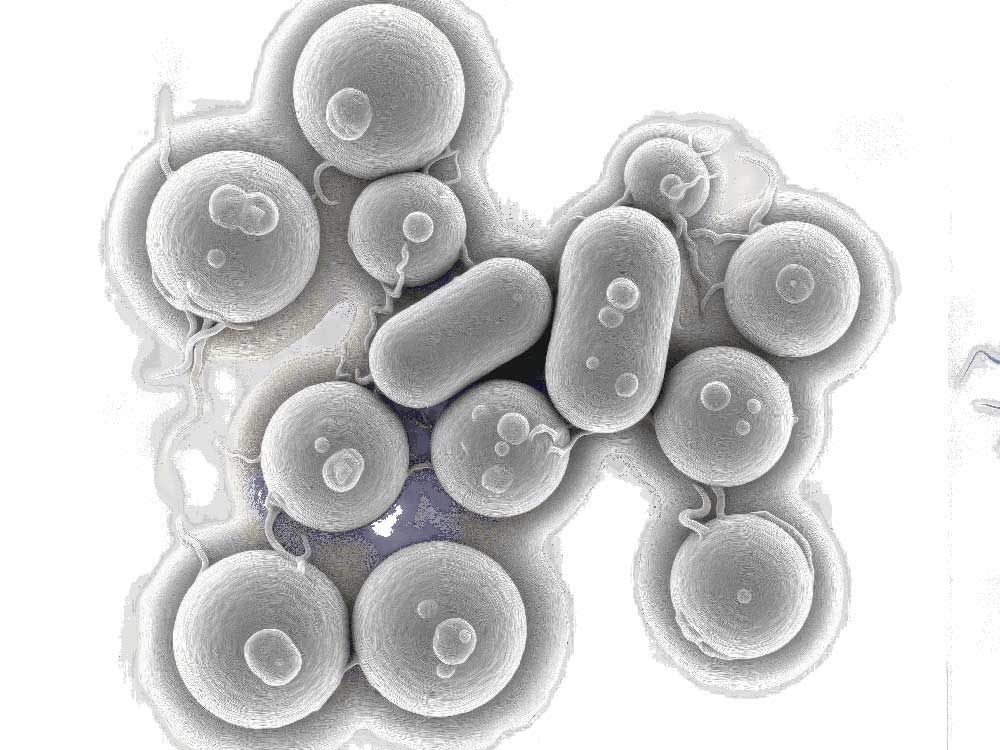
Shigella sonnei bacteria isolated on white background is pictured in this stock photo.
Shigella sonnei bacteria isolated on white background are pictured in this stock photo. Photo by BlackMBA /Adobe Stock
Drug-resistant strains of a sexually transmissible bacterial infection that causes diarrhea and vomiting are growing in the United States, mostly affecting men, according to a recent report by the Centers for Disease Control and Prevention.
Shigellosis, a severe intestinal infection caused by Shigella bacteria, is becoming harder to treat in the U.S. due to increasing cases of extensively drug-resistant (XDR) strains of the gut pathogen.
Historically, the stomach bug has been endemic in low- to middle-income countries, where access to sanitation and hygiene is limited, as it spreads through contaminated food, drinking water, surfaces and sexual contact.
The International Vaccine Institute estimates that between 80 million and 165 million Shigella cases are reported worldwide annually, accounting for 600,000 deaths — mostly affecting children under five years old in developing countries concentrated in sub-Saharan Africa and South Asia.
Infection transmission changing
However, in the past two decades, infectious disease experts have observed Shigella infections in high-income countries sporadically acquired through travel and among men who have sex with men, leading them to classify the stomach bug as an endemic sexually transmissible illness in the gay community.
In most cases, an infected person who isn’t immunocompromised and experiencing mild symptoms can recover with fluids and rest, but a CDC report published in April noted a rise in drug-resistant strains of the bacteria in the U.S. with a significant number of those falling ill with XDR Shigellosis being mostly men.
According to the CDC’s Morbidity and Mortality Weekly Report, which analyzed 17,000 Shigella cases from 2011 to 2023, XDR strains increased from 0% in 2011 to 8.5% in 2023. It also noted that of the 492 cases with information on sex and age, 86.2% were men, 10% were women and 96.1% were people aged 18 or over.
Among 116 people with their HIV status available, close to half (46.6%) reported HIV co-infection, the report said.
The emergence of XDR Shigellosis is concerning as it means the infection is caused by a strain of bacteria that has grown resistant to all five standard antibiotics used to treat it.
XDR Shigella cases also found in Canada
In Canada, the National Collaborating Centre for Infectious Diseases (NCCID) said in a 2024 disease debrief that 880 cases of shigellosis were reported annually, noting that XDR Shigella cases between 2018 and 2022 have risen from 1% to 6.6%
Among recent outbreaks of the intestinal infection was one in September 2022 in Montreal in which 56 people — mostly sexually active men — were infected with 25 of the cases involving a multi-drug-resistant strain of the bacteria.
NCCID also noted that many of the outbreaks in the last five years have involved the homeless population, including one in Calgary in July 2024 that sickened 63 people and another in Vancouver’s Downtown Eastside in 2021.
 nccid.ca

 cdc.gov
 torontosun.com
Shigellosis becoming harder to treat due to increasing cases of extensively drug-resistant strains of pathogen
Author of the article:Ling Hui
Published Oct 08, 2026 • Last updated 9 hours ago • 2 minute read
Shigella sonnei bacteria isolated on white background is pictured in this stock photo.
Shigella sonnei bacteria isolated on white background are pictured in this stock photo. Photo by BlackMBA /Adobe Stock
Drug-resistant strains of a sexually transmissible bacterial infection that causes diarrhea and vomiting are growing in the United States, mostly affecting men, according to a recent report by the Centers for Disease Control and Prevention.
Shigellosis, a severe intestinal infection caused by Shigella bacteria, is becoming harder to treat in the U.S. due to increasing cases of extensively drug-resistant (XDR) strains of the gut pathogen.
Historically, the stomach bug has been endemic in low- to middle-income countries, where access to sanitation and hygiene is limited, as it spreads through contaminated food, drinking water, surfaces and sexual contact.
The International Vaccine Institute estimates that between 80 million and 165 million Shigella cases are reported worldwide annually, accounting for 600,000 deaths — mostly affecting children under five years old in developing countries concentrated in sub-Saharan Africa and South Asia.
Infection transmission changing
However, in the past two decades, infectious disease experts have observed Shigella infections in high-income countries sporadically acquired through travel and among men who have sex with men, leading them to classify the stomach bug as an endemic sexually transmissible illness in the gay community.
In most cases, an infected person who isn’t immunocompromised and experiencing mild symptoms can recover with fluids and rest, but a CDC report published in April noted a rise in drug-resistant strains of the bacteria in the U.S. with a significant number of those falling ill with XDR Shigellosis being mostly men.
According to the CDC’s Morbidity and Mortality Weekly Report, which analyzed 17,000 Shigella cases from 2011 to 2023, XDR strains increased from 0% in 2011 to 8.5% in 2023. It also noted that of the 492 cases with information on sex and age, 86.2% were men, 10% were women and 96.1% were people aged 18 or over.
Among 116 people with their HIV status available, close to half (46.6%) reported HIV co-infection, the report said.
The emergence of XDR Shigellosis is concerning as it means the infection is caused by a strain of bacteria that has grown resistant to all five standard antibiotics used to treat it.
XDR Shigella cases also found in Canada
In Canada, the National Collaborating Centre for Infectious Diseases (NCCID) said in a 2024 disease debrief that 880 cases of shigellosis were reported annually, noting that XDR Shigella cases between 2018 and 2022 have risen from 1% to 6.6%
Among recent outbreaks of the intestinal infection was one in September 2022 in Montreal in which 56 people — mostly sexually active men — were infected with 25 of the cases involving a multi-drug-resistant strain of the bacteria.
NCCID also noted that many of the outbreaks in the last five years have involved the homeless population, including one in Calgary in July 2024 that sickened 63 people and another in Vancouver’s Downtown Eastside in 2021.
Shigellosis
Shigellosis is an acute, invasive, enteric bacterial infection that affects the digestive system. It is caused by a group of bacteria called Shigella. Symptoms may appear within 1–2 days of encount…
nccid.ca
Emergence of Extensively Drug-Resistant Shigellosis
This report describes the emergence of drug-resistant shigellosis in the United States during 2011-2023.
cdc.gov
Drug-resistant sexually transmissible bacterial infection rising in U.S: CDC
Drug-resistant strains of a sexually transmissible bacterial infection that causes diarrhea and vomiting are growing in the US. Read more.