

BC NDP colour is orange. And they are true Saitinists.i thought the orange menace was the trumptychrist.
The Tarriff Hype.
- Thread starter petros
- Start date
You are using an out of date browser. It may not display this or other websites correctly.
You should upgrade or use an alternative browser.
You should upgrade or use an alternative browser.

Orange shirt day .BC NDP colour is orange. And they are true Saitinists.

White House economic adviser Kevin Hassett also said on Sunday that a trade deal was close, Bloomberg reported. “I think it’s very close,” Hassett, director of the White House National Economic Council, said, adding that Commerce Secretary Howard Lutnick (the Kobuscher of trade deals) been speaking with Canadian officials throughout the week?

However, there has been no confirmed breakthrough. Canada-U.S. Trade Minister Dominic LeBlanc’s office said the government will assess the latest tariff measures and that “Canada stands ready to work constructively and in good faith towards a more mutually beneficial trading relationship” with the U.S. The latest comments from Trump and Hassett, were preceded by Trump claiming last Friday that Canada was “working very hard” to make a trade deal with the U.S.
However, Prime Minister Mark Carney said during a press conference on the same day that Canada “could sign it this afternoon if the U.S. were there. If it has to be months from now or longer than that, or another administration before a proper deal comes into place, we will do that,” National Post reported. When asked whether Canada could sign a deal with the Americans before the U.S. midterms, Carney did not close the door on that possibility, but he said the U.S. is “hard to predict.”
Trump is facing pressure about the tariffs from several fronts. For example, the levies on steel and aluminum have been a “disaster” for the U.S. economy, fuelling inflation and failing to spark promised growth in those industries, according to a recently released think tank report, National Post previously noted.
 apple.news
However, there has been no confirmed breakthrough. Canada-U.S. Trade Minister Dominic LeBlanc’s office said the government will assess the latest tariff measures and that “Canada stands ready to work constructively and in good faith towards a more mutually beneficial trading relationship” with the U.S. The latest comments from Trump and Hassett, were preceded by Trump claiming last Friday that Canada was “working very hard” to make a trade deal with the U.S.
However, Prime Minister Mark Carney said during a press conference on the same day that Canada “could sign it this afternoon if the U.S. were there. If it has to be months from now or longer than that, or another administration before a proper deal comes into place, we will do that,” National Post reported. When asked whether Canada could sign a deal with the Americans before the U.S. midterms, Carney did not close the door on that possibility, but he said the U.S. is “hard to predict.”
Trump is facing pressure about the tariffs from several fronts. For example, the levies on steel and aluminum have been a “disaster” for the U.S. economy, fuelling inflation and failing to spark promised growth in those industries, according to a recently released think tank report, National Post previously noted.
Canada-U.S. trade war to end 'soon,' Trump says, but there's no real sign of a breakthrough — National Post
Trump’s trade war with Canada has been a friction point ahead of the November midterm elections
Carney doesn’t want a deal .White House economic adviser Kevin Hassett also said on Sunday that a trade deal was close, Bloomberg reported. “I think it’s very close,” Hassett, director of the White House National Economic Council, said, adding that Commerce Secretary Howard Lutnick (the Kobuscher of trade deals) been speaking with Canadian officials throughout the week?
View attachment 36044
However, there has been no confirmed breakthrough. Canada-U.S. Trade Minister Dominic LeBlanc’s office said the government will assess the latest tariff measures and that “Canada stands ready to work constructively and in good faith towards a more mutually beneficial trading relationship” with the U.S. The latest comments from Trump and Hassett, were preceded by Trump claiming last Friday that Canada was “working very hard” to make a trade deal with the U.S.
However, Prime Minister Mark Carney said during a press conference on the same day that Canada “could sign it this afternoon if the U.S. were there. If it has to be months from now or longer than that, or another administration before a proper deal comes into place, we will do that,” National Post reported. When asked whether Canada could sign a deal with the Americans before the U.S. midterms, Carney did not close the door on that possibility, but he said the U.S. is “hard to predict.”
Trump is facing pressure about the tariffs from several fronts. For example, the levies on steel and aluminum have been a “disaster” for the U.S. economy, fuelling inflation and failing to spark promised growth in those industries, according to a recently released think tank report, National Post previously noted.
Canada-U.S. trade war to end 'soon,' Trump says, but there's no real sign of a breakthrough — National Post
Trump’s trade war with Canada has been a friction point ahead of the November midterm elections
I’m no fan of Carney, but I’ve watched over the last better part of two years Trump’s administrations coercion not just of Canada, but of several other nations from Cuba to Venezuela to Denmark, the EU, etc…& no deal might be much better than a bad deal at this point. The concept relies on knowing your BATNA (Best Alternative to a Negotiated Agreement). If the deal on the table is worse than your fallback position, walking away is the mathematically and strategically superior choice in most situations.Carney doesn’t want a deal .
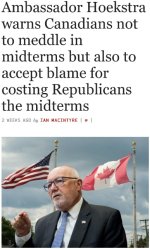
PM Carney says ‘U.S. is coming closer to our position’ as trade talks gain momentum — CTV News
Amid reporting by CTV News that trade talks between Canada and the U.S. are gaining momentum, Mark Carney said the Trump administration is 'coming closer to our position.'
 Solid waste imports from Canada reached almost 3.2 million tonnes, down 8 per cent from FY 2024, when 3.5 million tonnes of solid waste was imported to Michigan from Canada. Meanwhile, other U.S. states made up less than 4 per cent of waste disposed of in Michigan landfills in 2025. Waste that originated in Michigan made up 82 per cent.
Meanwhile, Michigan’s landfill tipping fees are relatively low. Last year, Michigan’s Governor Gretchen Whitmer recommended increasing fees from the solid waste surcharge from 36 cents per tonne to US$5 per ton in the 2026 fiscal budget proposal.
 The proposal said this would bring Michigan in line with the average Midwest tipping fee as well as “directly addressing the volume of out-of-state waste.”

Municipal and clinical waste are among the new items that will be subject to 50 per cent tariffs from Oct. 30, under an amendment issued by the White House on Friday. On Friday, Rogers called the new tariffs on waste coming from Canada “huge progress” in a video posted on social media, adding Canada’s “trash trucks” have been “a huge problem” for Michigan.
Rogers has been raising the issue of Canadian waste imports for decades. In a floor speech in the U.S. House in 2002, he said that Canada sent 4.2 million cubic yards of waste to Michigan in the year 2000, and expressed concerns about the environmental impact on Michigan. In 2003, Rogers backed a Bill that would have amended the Solid Waste Disposal Act to allow states to enact laws prohibiting or limiting the receipt of waste from other countries, but it never made it past the committee stage.
($0.36USD/tonne and add a 50%Trumpiff = $0.54USD = $0.76CAD/tonne in Canadian Pesos. That’ll learn’em!!! Even if Gretchen got her way and it was $5USD plus a 50%Trumpiff so $7.50USD = $10.53 in Northern Pesos…)
“I called the secretary’s office a few days ago and said, ‘Listen, we need some relief on Canadian tariffs. But if you’re going to tariff anything, tariff those trash trucks,'” Ol’Buck said.
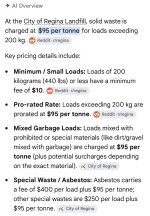
For some perspective, here’s the rates locally for us folks in the city whose name rhymes with fun:
But the Michigan Senate hopeful hasn’t always been so emphatic in his support of Trump’s trade war, having previously broken ranks in a campaign video shared on social media. “Here in Michigan, we know that Canada is not our enemy. We need to end this tariff war now. As Michigan senator, I’ll bring both parties together to lower your prices,” he said in the clip released three weeks ago…? & previous to that he was goose stepping to Trump‘s tariffs, and cheerleading the extortion of the Gordie Howe Bridge. Go figure.

Meanwhile, Michigan has become a key battleground for the upcoming U.S. midterms and is currently considered a toss-up for the Senate race by The Cook Political Report.
Trump slaps tariffs on Canadian 'trash trucks.' How much garbage is being sent to the U.S.? — National Post
The new tariffs have received support from Michigan Senate hopeful Mike Rogers, who has been vocal in his opposition to importing waste from Canada for decades
Yes we are joined at the hip , let’s see if we can get a better deal in China or the E U . Blame Trump . If the Liberal PMO who run this country wanted a deal we would have one , with the autopac still functional , we nstead where are we ?I’m no fan of Carney, but I’ve watched over the last better part of two years Trump’s administrations coercion not just of Canada, but of several other nations from Cuba to Venezuela to Denmark, the EU, etc…& no deal might be much better than a bad deal at this point. The concept relies on knowing your BATNA (Best Alternative to a Negotiated Agreement). If the deal on the table is worse than your fallback position, walking away is the mathematically and strategically superior choice in most situations.
View attachment 36047Meanwhile, Canada is the largest source of waste imports to Michigan, accounting for 14 per cent of all waste disposed of in Michigan landfills in fiscal year 2025, according to a March report by the Michigan Department of Environment, Great Lakes, and Energy (EGLE). The exported waste was sent primarily to Michigan, New York and Ohio.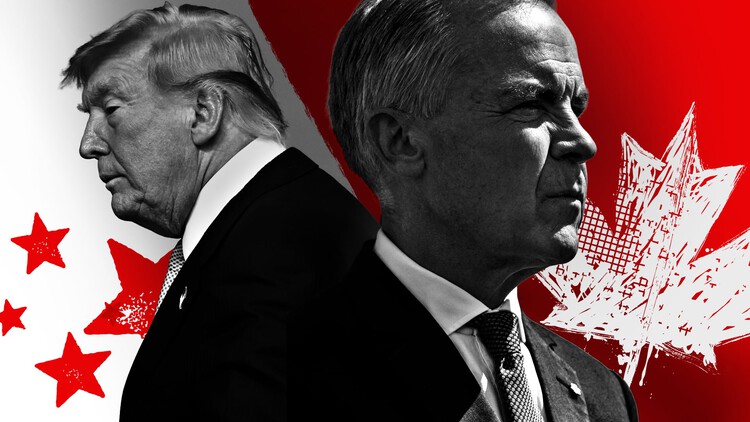
PM Carney says ‘U.S. is coming closer to our position’ as trade talks gain momentum — CTV News
Amid reporting by CTV News that trade talks between Canada and the U.S. are gaining momentum, Mark Carney said the Trump administration is 'coming closer to our position.'
View attachment 36056Solid waste imports from Canada reached almost 3.2 million tonnes, down 8 per cent from FY 2024, when 3.5 million tonnes of solid waste was imported to Michigan from Canada. Meanwhile, other U.S. states made up less than 4 per cent of waste disposed of in Michigan landfills in 2025. Waste that originated in Michigan made up 82 per cent.
Meanwhile, Michigan’s landfill tipping fees are relatively low. Last year, Michigan’s Governor Gretchen Whitmer recommended increasing fees from the solid waste surcharge from 36 cents per tonne to US$5 per ton in the 2026 fiscal budget proposal.
Municipal and clinical waste are among the new items that will be subject to 50 per cent tariffs from Oct. 30, under an amendment issued by the White House on Friday. On Friday, Rogers called the new tariffs on waste coming from Canada “huge progress” in a video posted on social media, adding Canada’s “trash trucks” have been “a huge problem” for Michigan.
Rogers has been raising the issue of Canadian waste imports for decades. In a floor speech in the U.S. House in 2002, he said that Canada sent 4.2 million cubic yards of waste to Michigan in the year 2000, and expressed concerns about the environmental impact on Michigan. In 2003, Rogers backed a Bill that would have amended the Solid Waste Disposal Act to allow states to enact laws prohibiting or limiting the receipt of waste from other countries, but it never made it past the committee stage.
($0.36USD/tonne and add a 50%Trumpiff = $0.54USD = $0.76CAD/tonne in Canadian Pesos. That’ll learn’em!!! Even if Gretchen got her way and it was $5USD plus a 50%Trumpiff so $7.50USD = $10.53 in Northern Pesos…)
“I called the secretary’s office a few days ago and said, ‘Listen, we need some relief on Canadian tariffs. But if you’re going to tariff anything, tariff those trash trucks,'” Ol’Buck said.
For some perspective, here’s the rates locally for us folks in the city whose name rhymes with fun:
View attachment 36057
But the Michigan Senate hopeful hasn’t always been so emphatic in his support of Trump’s trade war, having previously broken ranks in a campaign video shared on social media. “Here in Michigan, we know that Canada is not our enemy. We need to end this tariff war now. As Michigan senator, I’ll bring both parties together to lower your prices,” he said in the clip released three weeks ago…? & previous to that he was goose stepping to Trump‘s tariffs, and cheerleading the extortion of the Gordie Howe Bridge. Go figure.
Meanwhile, Michigan has become a key battleground for the upcoming U.S. midterms and is currently considered a toss-up for the Senate race by The Cook Political Report.
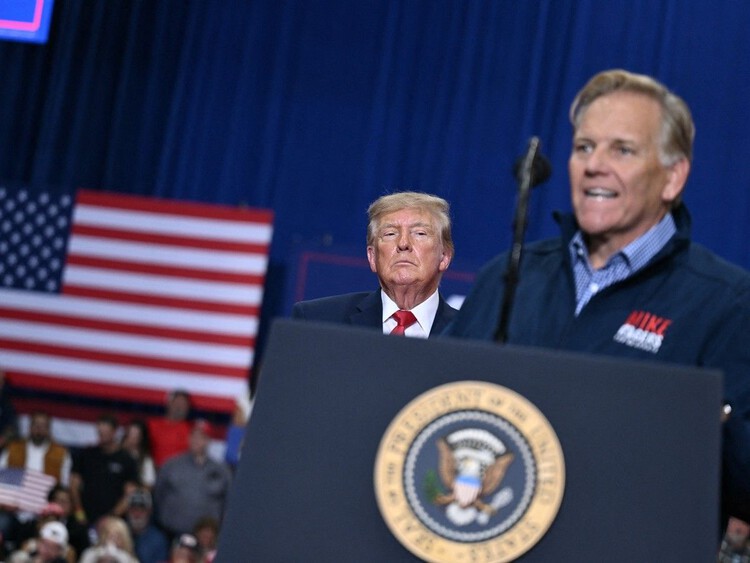
Trump slaps tariffs on Canadian 'trash trucks.' How much garbage is being sent to the U.S.? — National Post
The new tariffs have received support from Michigan Senate hopeful Mike Rogers, who has been vocal in his opposition to importing waste from Canada for decades
We’re always gonna be geographically in a position where America is our largest trading partner, but that doesn’t mean we have be completely submissive to something like the Trump administration. We too have value in both bilateral and trilateral trade in North America, but that doesn’t mean we cannot diversify somewhat, so all of our eggs are not in the same basket.Yes we are joined at the hip , let’s see if we can get a better deal in China or the E U . Blame Trump . If the Liberal PMO who run this country wanted a deal we would have one , with the autopac still functional , we nstead where are we ?

Michigan does some US$67-billion in annual trade with Canada. According to calculations by the National Taxpayers Union Foundation, the state has taken a US$23-billion hit from Mr. Trump’s tariffs since the start of last year, equal to US$5,619 per resident. This unnecessary trade war is hurting both nations and the people in both nations.
In Michigan, Trump’s trade war with Canada rankles both Democrats and Republicans — The Globe and Mail
The state has been hit hard by the President’s tariffs, and even Trump supporters don’t understand why he would pick a fight with the neighbours
How many RV’s are you importing from Europe or Asia ? Can you diversify ?We’re always gonna be geographically in a position where America is our largest trading partner, but that doesn’t mean we have be completely submissive to something like the Trump administration. We too have value in both bilateral and trilateral trade in North America, but that doesn’t mean we cannot diversify somewhat, so all of our eggs are not in the same basket.
View attachment 36064
Michigan does some US$67-billion in annual trade with Canada. According to calculations by the National Taxpayers Union Foundation, the state has taken a US$23-billion hit from Mr. Trump’s tariffs since the start of last year, equal to US$5,619 per resident. This unnecessary trade war is hurting both nations and the people in both nations.
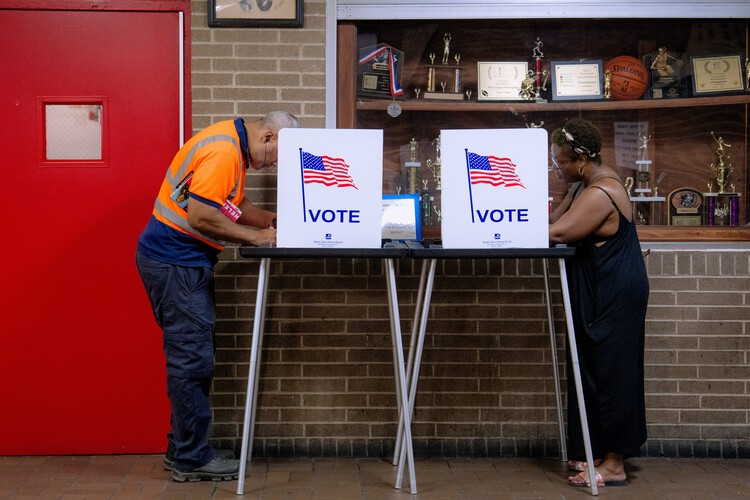
In Michigan, Trump’s trade war with Canada rankles both Democrats and Republicans — The Globe and Mail
The state has been hit hard by the President’s tariffs, and even Trump supporters don’t understand why he would pick a fight with the neighbours
Zero & we can’t, but we’re not the only trade in North America.How many RV’s are you importing from Europe or Asia ? Can you diversify ?
Yet there are 10,000 or so companies in the same boat as yours .Zero & we can’t, but we’re not the only trade in North America.
And there are many that aren’t. I smell what you’re cooking.Yet there are 10,000 or so companies in the same boat as yours .
Realism . We are throwing our economic engine away because Trump .And there are many that aren’t. I smell what you’re cooking.
The irony is we are if we agree with his terms and we are if we don’t.Realism . We are throwing our economic engine away because Trump .
Not at all , business will continue for you and those other traders , however the lack of stability hampers growth . Protecting Quebec milk producer’s doesn’t seem like much of a trade off to me .The irony is we are if we agree with his terms and we are if we don’t.

EU's 'associate membership' title for Canada off table: report
Group of 27 member states shifting toward more softer language that promises 'ever closer association'
Author of the article:Spiro Papuckoski
Published Oct 28, 2026 • Last updated 7 hours ago • 2 minute read
Canadian Prime Minister Mark Carney delivers a speech
Prime Minister Mark Carney delivers a speech in the hemicycle of the European Parliament in Strasbourg, France, Thursday, Sept. 17, 2026. Photo by Jean-Christophe Verhaegen /Getty Images
While the European Union is engaged in an internal debate about closer economic ties with Canada, the “associate membership” title appears to be off the table.
The political and economic union of 27 member states has dropped the idea of offering Canada “associate member” status, Politico reported Wednesday.
Instead, the EU is shifting toward softer language that promises an “ever closer association” with Canada, citing the latest version of the draft statement.
Prime Minister Mark Carney’s push for closer ties with Europe stems from his plan to diversify the Canadian economy following U.S. President Donald Trump’s trade war involving tariffs on many goods crossing the border, affecting the automotive industry, steel, aluminum, and forestry products.
‘Associate membership’ was proposed
Last month, European Commission President Ursula von der Leyen proposed “associate membership” for Canada in her State of the European Union speech at the European Parliament in Strasbourg, France.
“We must urgently reimagine our partnerships,” von der Leyen said while addressing Carney. “So, I would like to work with you on opening the door for Canada to be the first associate member of the EU.
“We share one ocean, one set of values, one way of seeing the world. And we will now build our shared future as well – thank you for being here.”
The speech caught some EU countries by surprise. In the weeks since von der Leyen’s comments, Germany, Greece and France objected to mentioning associate membership in a joint EU-Canada statement to be issued at a summit in Montreal later this week, diplomats told Politico.
According to the report, a previous draft of the joint statement said the EU and Canada would “work to define by the 2027 EU-Canada Summit the concept of Associate Member that will reflect, through this even closer association, our common endeavour and cooperation towards our shared goals of prosperity, economic security and strategic autonomy.”
The final version of the text was changed.
‘Ever closer association’ with Canada
“We will create an even closer association between Canada and the EU … and work to define by the 2027 EU-Canada Summit the concept of an ever closer association of Canada to the EU, short of full membership itself.”
Politico reported the final text still needs approval and EU countries have until 6 p.m. local time to raise objections.
Carney released a statement Sunday about expanding the economic partnership between Canada and the EU after announcing the summit in Montreal.
“The world is more dangerous and divided,” Carney said. “In response, Canada and the European Union are building on each other’s strengths – deliberately, systematically, and rapidly – to form a new, ambitious alliance. An alliance that builds resilience for what it allows us to do for our citizens, and our citizens to do for themselves. An alliance strong enough so that no one can dictate our choices, and an alliance open enough that others can join.”
Outside the United States, the EU is Canada’s largest trading partner for goods and services.

 pm.gc.ca

 politico.eu

 torontosun.com
Group of 27 member states shifting toward more softer language that promises 'ever closer association'
Author of the article:Spiro Papuckoski
Published Oct 28, 2026 • Last updated 7 hours ago • 2 minute read
Canadian Prime Minister Mark Carney delivers a speech
Prime Minister Mark Carney delivers a speech in the hemicycle of the European Parliament in Strasbourg, France, Thursday, Sept. 17, 2026. Photo by Jean-Christophe Verhaegen /Getty Images
While the European Union is engaged in an internal debate about closer economic ties with Canada, the “associate membership” title appears to be off the table.
The political and economic union of 27 member states has dropped the idea of offering Canada “associate member” status, Politico reported Wednesday.
Instead, the EU is shifting toward softer language that promises an “ever closer association” with Canada, citing the latest version of the draft statement.
Prime Minister Mark Carney’s push for closer ties with Europe stems from his plan to diversify the Canadian economy following U.S. President Donald Trump’s trade war involving tariffs on many goods crossing the border, affecting the automotive industry, steel, aluminum, and forestry products.
‘Associate membership’ was proposed
Last month, European Commission President Ursula von der Leyen proposed “associate membership” for Canada in her State of the European Union speech at the European Parliament in Strasbourg, France.
“We must urgently reimagine our partnerships,” von der Leyen said while addressing Carney. “So, I would like to work with you on opening the door for Canada to be the first associate member of the EU.
“We share one ocean, one set of values, one way of seeing the world. And we will now build our shared future as well – thank you for being here.”
The speech caught some EU countries by surprise. In the weeks since von der Leyen’s comments, Germany, Greece and France objected to mentioning associate membership in a joint EU-Canada statement to be issued at a summit in Montreal later this week, diplomats told Politico.
According to the report, a previous draft of the joint statement said the EU and Canada would “work to define by the 2027 EU-Canada Summit the concept of Associate Member that will reflect, through this even closer association, our common endeavour and cooperation towards our shared goals of prosperity, economic security and strategic autonomy.”
The final version of the text was changed.
‘Ever closer association’ with Canada
“We will create an even closer association between Canada and the EU … and work to define by the 2027 EU-Canada Summit the concept of an ever closer association of Canada to the EU, short of full membership itself.”
Politico reported the final text still needs approval and EU countries have until 6 p.m. local time to raise objections.
Carney released a statement Sunday about expanding the economic partnership between Canada and the EU after announcing the summit in Montreal.
“The world is more dangerous and divided,” Carney said. “In response, Canada and the European Union are building on each other’s strengths – deliberately, systematically, and rapidly – to form a new, ambitious alliance. An alliance that builds resilience for what it allows us to do for our citizens, and our citizens to do for themselves. An alliance strong enough so that no one can dictate our choices, and an alliance open enough that others can join.”
Outside the United States, the EU is Canada’s largest trading partner for goods and services.
Prime Minister Carney to host Canada-European Union Summit in Montréal to advance an ambitious new Canada-EU partnership
To advance this partnership, Canada will host the Canada-European Union (EU) Summit in Montréal, Québec, from October 29 to 30, 2026.
EU scraps ‘associate member’ offer for Canada
A group of countries including Germany, Greece and France all objected to mentioning associate membership in a joint EU-Canada statement.
politico.eu
EU's 'associate membership' title for Canada off table: report
While the EU is engaged in an internal debate about closer ties with Canada, "associate membership" appears to be off the table. Read more.
Carney's European romance hits the rocks
Canada-EU summit starts in Montreal on Thursday and people are having trouble agreeing to terms
Author of the article:Brian Lilley
Published Oct 28, 2026 • Last updated 8 hours ago • 3 minute read
Ursula von der Leyen shaking hands with Canada's Prime Minister Mark Carney
This handout photograph taken and released by the European Union on Sept. 16, 2026 shows European Commission President Ursula von der Leyen shaking hands with Canada's Prime Minister Mark Carney during her annual keynote address to the European Parliament in Strasbourg, eastern France. Photo by Christophe Licoppe /AFP
Europe just isn’t that into us!
In September, it looked like love at first blush as European Union President Ursula von der Leyen offered Canada something special. She was looking right at a smiling Mark Carney, sitting in the European Parliament delivering her State of the Union address, when she essentially suggested that Canada and the EU start going steady.
“Dear Mark, I said we must urgently reimagine our partnerships. So I would like to work with you on opening the door for Canada to being the first associate member of the European Union,” von der Leyen said.
Carney’s smile got bigger. He shook a few hands, joined in the standing ovation and then went up to embrace and kiss von der Leyen.
While von der Leyen liked the idea of going steady with Canada and Carney, others did not. According to Politico Europe, several countries, including France, Germany and Greece, have all said no to the concept of associate membership.
Europe’s second thoughts
The Canada-EU summit starts in Montreal on Thursday and people are having trouble agreeing to terms. Politico reports that after Germany broke ranks and opposed the associate member language, other countries followed and an EU statement on deepening ties with Canada was watered down.
The previous statement said the two sides would “work to define by the 2027 EU-Canada Summit the concept of Associate Member.” The newer statement doesn’t go that far and now states the two sides will “work to define by the 2027 EU-Canada Summit the concept of an ever closer association of Canada to the EU, short of full membership itself.”
Carney was trying not to look like a jilted lover when he spoke to reporters Wednesday morning, effectively downplaying the reports and what the opposition from EU nations to associate member status meant.
“The good news is it doesn’t matter about specific names or nomenclature,” he said.
“What matters is the difference that it will make to the lives of Canadians.”
Carney went on to say that a deal with the EU would strengthen Canada’s sovereignty. It’s hard to see how that can be the case given the way the EU has structured deals for other countries that want a closer association but don’t want to be full EU members.
Sovereignty or submission?
Norway, Iceland and Liechtenstein are all required to adopt a whole host of European rules and regulations for manufacturing, consumer goods, food safety and more just to gain EU trade access.
The problem is they have to follow the rules but don’t get a vote on making them. Canada would likely need to do the same to gain significant access to the EU market.
In fact, on Wednesday morning, CBC published a story detailing how the EU is getting set to impose carbon tariffs on Canadian products such as steel, aluminum and cement. The only way to fully be exempt from them is for Canada to adopt EU climate standards, which would mean significantly increasing our industrial carbon tax while also adding expensive new regulations for manufacturers.
How Carney can agree to measures like that, or the other regulatory “harmonization” they will demand, while saying it protects Canada’s sovereignty is beyond me.
Let’s be clear, though: the EU doesn’t want us. Proof for that claim is that 10 EU member states, Belgium, Bulgaria, Cyprus, France, Greece, Hungary, Ireland, Italy, Poland and Slovenia, have yet to ratify and fully implement our decade-old free trade deal with them.
Now we have Germany, France and Greece saying they don’t want associate membership, and Carney is still trying to make it work.
Read the room, Mark!
Of course, any Canadian looking at the news out of Europe over the last month, seeing the looting, the vandalism and the violence, might be wondering if the EU is something we want to get closer to.
By all means, let’s trade more with the EU, and start by having those 10 countries ratify the existing deal. But if Europe doesn’t want Canada moving closer, Ottawa should stop trying to force the relationship.
Seems that while von der Leyen liked the idea of going steady with Canada, and Carney, others did not.
 torontosun.com
Canada-EU summit starts in Montreal on Thursday and people are having trouble agreeing to terms
Author of the article:Brian Lilley
Published Oct 28, 2026 • Last updated 8 hours ago • 3 minute read
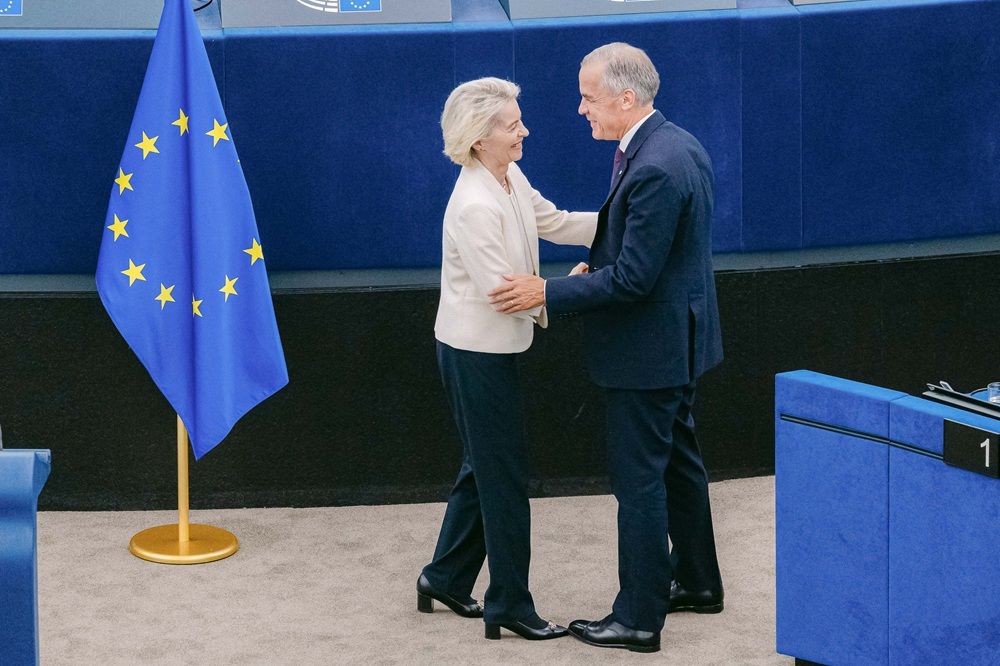
Ursula von der Leyen shaking hands with Canada's Prime Minister Mark Carney
This handout photograph taken and released by the European Union on Sept. 16, 2026 shows European Commission President Ursula von der Leyen shaking hands with Canada's Prime Minister Mark Carney during her annual keynote address to the European Parliament in Strasbourg, eastern France. Photo by Christophe Licoppe /AFP
Europe just isn’t that into us!
In September, it looked like love at first blush as European Union President Ursula von der Leyen offered Canada something special. She was looking right at a smiling Mark Carney, sitting in the European Parliament delivering her State of the Union address, when she essentially suggested that Canada and the EU start going steady.
“Dear Mark, I said we must urgently reimagine our partnerships. So I would like to work with you on opening the door for Canada to being the first associate member of the European Union,” von der Leyen said.
Carney’s smile got bigger. He shook a few hands, joined in the standing ovation and then went up to embrace and kiss von der Leyen.
While von der Leyen liked the idea of going steady with Canada and Carney, others did not. According to Politico Europe, several countries, including France, Germany and Greece, have all said no to the concept of associate membership.
Europe’s second thoughts
The Canada-EU summit starts in Montreal on Thursday and people are having trouble agreeing to terms. Politico reports that after Germany broke ranks and opposed the associate member language, other countries followed and an EU statement on deepening ties with Canada was watered down.
The previous statement said the two sides would “work to define by the 2027 EU-Canada Summit the concept of Associate Member.” The newer statement doesn’t go that far and now states the two sides will “work to define by the 2027 EU-Canada Summit the concept of an ever closer association of Canada to the EU, short of full membership itself.”
Carney was trying not to look like a jilted lover when he spoke to reporters Wednesday morning, effectively downplaying the reports and what the opposition from EU nations to associate member status meant.
“The good news is it doesn’t matter about specific names or nomenclature,” he said.
“What matters is the difference that it will make to the lives of Canadians.”
Carney went on to say that a deal with the EU would strengthen Canada’s sovereignty. It’s hard to see how that can be the case given the way the EU has structured deals for other countries that want a closer association but don’t want to be full EU members.
Sovereignty or submission?
Norway, Iceland and Liechtenstein are all required to adopt a whole host of European rules and regulations for manufacturing, consumer goods, food safety and more just to gain EU trade access.
The problem is they have to follow the rules but don’t get a vote on making them. Canada would likely need to do the same to gain significant access to the EU market.
In fact, on Wednesday morning, CBC published a story detailing how the EU is getting set to impose carbon tariffs on Canadian products such as steel, aluminum and cement. The only way to fully be exempt from them is for Canada to adopt EU climate standards, which would mean significantly increasing our industrial carbon tax while also adding expensive new regulations for manufacturers.
How Carney can agree to measures like that, or the other regulatory “harmonization” they will demand, while saying it protects Canada’s sovereignty is beyond me.
Let’s be clear, though: the EU doesn’t want us. Proof for that claim is that 10 EU member states, Belgium, Bulgaria, Cyprus, France, Greece, Hungary, Ireland, Italy, Poland and Slovenia, have yet to ratify and fully implement our decade-old free trade deal with them.
Now we have Germany, France and Greece saying they don’t want associate membership, and Carney is still trying to make it work.
Read the room, Mark!
Of course, any Canadian looking at the news out of Europe over the last month, seeing the looting, the vandalism and the violence, might be wondering if the EU is something we want to get closer to.
By all means, let’s trade more with the EU, and start by having those 10 countries ratify the existing deal. But if Europe doesn’t want Canada moving closer, Ottawa should stop trying to force the relationship.
Seems that while von der Leyen liked the idea of going steady with Canada, and Carney, others did not.
LILLEY: Carney's European romance hits the rocks
Germany, France and Greece are saying no to associate membership, but Ottawa keeps pursuing a deeper relationship. Read on.
That was it? The only thing? Quebec’s milk? I’m thinking there was more going on. Carney stated on Monday that talks to negotiate a deal to ease American tariffs on Canadian automobiles andNot at all , business will continue for you and those other traders , however the lack of stability hampers growth . Protecting Quebec milk producer’s doesn’t seem like much of a trade off to me .
With President Donald Trump’s Republican Party risking losing control of Congress in next week's midterm elections, tariffs on Canadian imports have become a political liability, prompting Republican candidates in border states to demand an end to the trade war. For Canada, a rout of the Republicans in the electoral tests would send a message that the President’s obsession with tariffs – his hostile weaponization of them to exact tribute – as Trump's trade actions and ongoing disputes have negatively impacted the U.S. economy and population, leading to rising consumer costs, declining manufacturing and blue-collar employment, and political friction in battleground states.
Recent negotiations have concentrated on measures applied under Section 232 of U.S. trade law, encompassing duties of up to 50% on Canadian steel and 25% on cars. The U.S. Commerce Department, which oversees Section 232 tariffs, did not immediately reply to a request for comment. Trump predicted on Sunday that the dispute would be resolved "soon," though he offered no specifics.
Canada and US struggle to make progress in latest trade talks as midterms loom — The Independent
In August, trade talks fell apart between the two countries, leading Trump to impose 50% tariffs on $20 billion worth of Canadian goods
The U.S. and Mexico had been working toward a deal that would lower U.S. tariffs on steel, aluminum and automobiles in return for a series of ‘concessions’ from Mexico. The agreement would have opened the door for further discussions on renewing the U.S.-Mexico-Canada Agreement. Mexican officials and many corporate executives said a deal appeared close, the WSJ report said.
Lutnick has opposed major reductions in the 25% tariff on Mexican automobiles and the 50% levies on steel and aluminum. He has also objected to lowering tariffs on derivative products, which are finished goods made from steel and aluminum, the WSJ reported. An expert warned that further undoing the countries’ trilateral free trade agreement with Canada could “jeopardize the financial health” of many American companies, while making US goods more expensive.
Trade talks between the US, Mexico in jeopardy — Semafor
The US’ reported insistence that steel, aluminum, and car levies remain in place has thrown the negotiations into question.
Go back to the beginning , before all the postering and you will see dairy was a major sticking point . King Carney could and should have had a deal shortly after his election win .That was it? The only thing? Quebec’s milk? I’m thinking there was more going on. Carney stated on Monday that talks to negotiate a deal to ease American tariffs on Canadian automobiles andmilksteel had experienced "a slight intensification” but at this point any progress reflects Washington moving toward Canada's demands, not further Ottawa concessions.
With President Donald Trump’s Republican Party risking losing control of Congress in next week's midterm elections, tariffs on Canadian imports have become a political liability, prompting Republican candidates in border states to demand an end to the trade war. For Canada, a rout of the Republicans in the electoral tests would send a message that the President’s obsession with tariffs – his hostile weaponization of them to exact tribute – as Trump's trade actions and ongoing disputes have negatively impacted the U.S. economy and population, leading to rising consumer costs, declining manufacturing and blue-collar employment, and political friction in battleground states.
Recent negotiations have concentrated on measures applied under Section 232 of U.S. trade law, encompassing duties of up to 50% on Canadian steel and 25% on cars. The U.S. Commerce Department, which oversees Section 232 tariffs, did not immediately reply to a request for comment. Trump predicted on Sunday that the dispute would be resolved "soon," though he offered no specifics.
Progress toward a U.S.-Mexico tariff agreement has stopped after opposition from Commerce Secretary Howard Lutnick, the Wall Street Journal reported on Thursday, citing people familiar with the talks. This marks the second time Lutnick has disrupted advanced negotiations with a North American partner, the WSJ report said.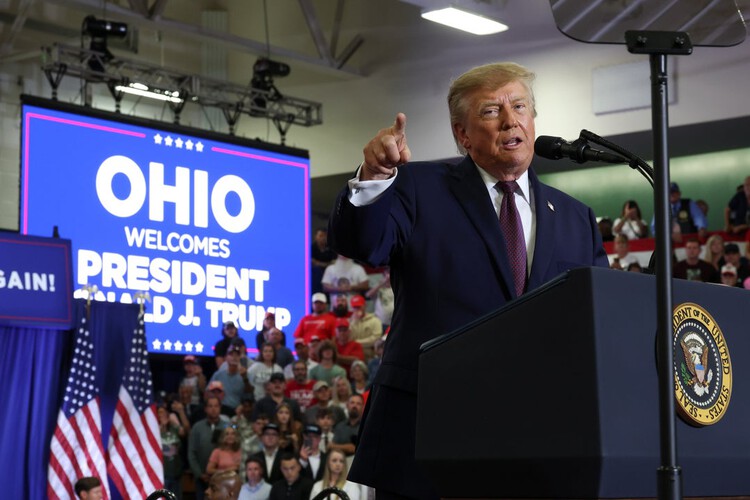
Canada and US struggle to make progress in latest trade talks as midterms loom — The Independent
In August, trade talks fell apart between the two countries, leading Trump to impose 50% tariffs on $20 billion worth of Canadian goods
The U.S. and Mexico had been working toward a deal that would lower U.S. tariffs on steel, aluminum and automobiles in return for a series of ‘concessions’ from Mexico. The agreement would have opened the door for further discussions on renewing the U.S.-Mexico-Canada Agreement. Mexican officials and many corporate executives said a deal appeared close, the WSJ report said.
Lutnick has opposed major reductions in the 25% tariff on Mexican automobiles and the 50% levies on steel and aluminum. He has also objected to lowering tariffs on derivative products, which are finished goods made from steel and aluminum, the WSJ reported. An expert warned that further undoing the countries’ trilateral free trade agreement with Canada could “jeopardize the financial health” of many American companies, while making US goods more expensive.
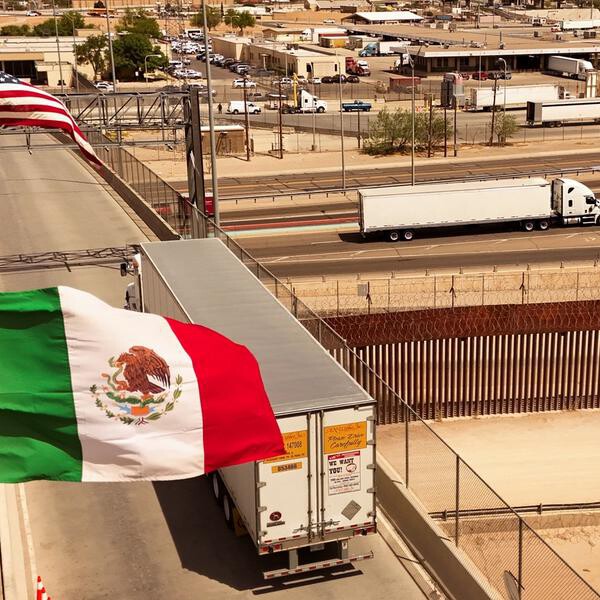
Trade talks between the US, Mexico in jeopardy — Semafor
The US’ reported insistence that steel, aluminum, and car levies remain in place has thrown the negotiations into question.
A sticking point, not THE single sticking point, but I hear what you’re saying.Go back to the beginning , before all the postering and you will see dairy was a major sticking point . King Carney could and should have had a deal shortly after his election win .
No dumping Chinese steel into the U.S. is still a major sticking point , but they are right in this instance . The auto pac and softwood lumber are always being negotiated and deals could have been reached if the POLITICAL will was there . But hey King Carney needed to manufacture his majority far more than Canada needed an agreement .A sticking point, not THE single sticking point, but I hear what you’re saying.