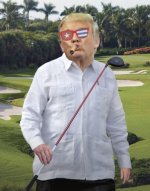
Somewhere between railing against OPEC in the 1980s, applauding Brexit in 2016 and winning the presidency in 2024, Trump started blurring the difference between a right-wing politics that insists on putting national identity above international institutions, and a purely American variant that wants to replace resolutions from the United Nations with edicts from Truth Social.
Trump’s rough strong-arming has worked well enough in a handful of countries. He endorsed the winning candidate for Poland’s presidency last year. In Latin America, Trump and members of his administration have helped anoint election winners in Argentina and Honduras — politically unstable, economically distressed countries that rely on U.S. assistance. His decapitation strategy succeeded in Venezuela.
Meanwhile Trump has continued to toy freely with European Union and NATO leaders. He all but ignores the UN and pays no political price for it. To understand why, let’s return to Canada.
In the winter of 2025, as Trump was menacing Canada’s independence and calling it the “51st State,” the former Conservative prime minister Stephen Harper — no friend to his country’s ruling Liberal Party — made a rare appearance in frontline politics. At an event here in Ottawa, he declared it would be worth taking “any level of damage” to protect Canada’s freedom. “If I was still prime minister, I would be prepared to impoverish the country and not be annexed, if that was the option we're facing,” Harper said then.
It began even before Trump’s inauguration in 2025, with his campaign of bullying against Canada. The belittling taunts and tariff threats he aimed at Justin Trudeau that winter did not scare America’s neighbor into prostration. They inspired a patriotic backlash and created a new prime minister, Mark Carney, who preaches middle-power resistance to American economic domination.
Coercion toward Canada has primarily focused on trade policy and the ongoing negotiations regarding the
CUSMA/USMCA trade pact, Unlike Cuba—which is facing direct economic isolation to force compliance—actions against Canada remain largely concentrated on continental trade renegotiations.
In his second term, Trump’s grasp of nationalist politics has slipped. He has underestimated the power of patriotism and national pride in countries other than his own. This serial miscalculation has undermined Trump’s trade wars and military adventures, aggravated the cost-of-living crisis, weakened the Republican Party and battered Trump’s bonds with the global right.
In Ukraine, Trump’s bid to push the country into a flimsy peace deal — while dressing down Volodymyr Zelenskyy in the Oval Office and grabbing for a share of Ukraine’s mineral wealth — was such an insult to Ukrainian sovereignty that Zelenskyy, even at a political low ebb, faced no consequences for rejecting the terms.
Attempts to meddle with judicial decisions in Brazil, commandeer British and Spanish airfields and dictate military strategy to Israel have gone no better. Dispatching Vice President JD Vance to campaign in Hungary’s election did not save Viktor Orbán from a landslide defeat.
Perhaps most damaging to Trump, his expectation that he could decapitate Iran’s leadership, blast the country into submission and install a compliant proxy — all without using ground troops — led to a monthslong stalemate that spiked energy prices and sapped the global economy. It should not surprise any nationalist leader that Iran’s generals and clerics preferred months of American bombing over quick subjugation.
How many leaders — or voters — would say anything similar about preserving the regulatory authority of the European Commission or the treaty commitments of NATO? Trump’s appreciation for the special force of national pride and patriotic sentiment used to be one of his political superpowers. It remains one of the few things holding the Republican Party together.
He has underestimated the power of patriotic sentiment in countries besides the United States.

apple.news




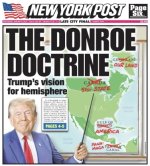


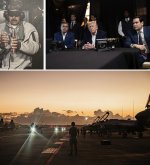


 (like golf courses owned by a U.S. President?) on the Caribbean island, transform state-owned businesses into private commercial ventures with shares and equity stakes and allow private banks to enter Cuba`s once state-dominated finance sector.”