

Just as soon as they are embarrassed by the unjustifiable profit they have taken and hidden from the taxman.Do the ultra-rich not want this to end, because there’s too much wealth to be gained in the rollercoaster of the global marketplace draining the eight billion rubes of their pocket change?
Iran War. . . USA Up 2-0 in the First Period
- Thread starter Tecumsehsbones
- Start date
You are using an out of date browser. It may not display this or other websites correctly.
You should upgrade or use an alternative browser.
You should upgrade or use an alternative browser.


Looks like Trump has told Netanyahu and his fascist coalition to "fuck off".Who knows? The only thing that’s consistent is that nothing is consistent when it comes to Trump and his demands.
Do the ultra-rich not want this to end, because there’s too much wealth to be gained in the rollercoaster of the global marketplace draining the eight billion rubes of their pocket change?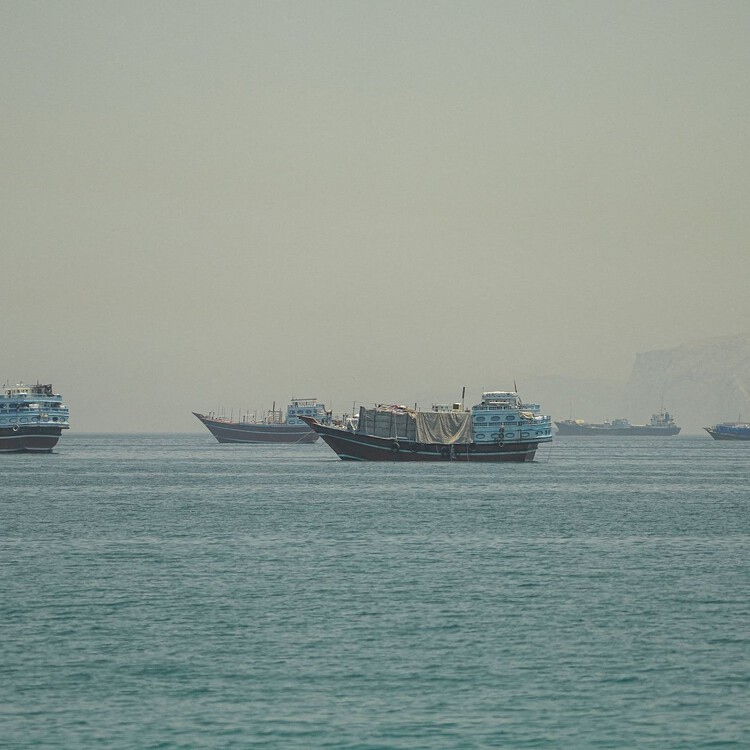
Iran threatens retaliation after U.S. strikes in southern Iran — The Washington Post
The attacks prompted Tehran to warn that it would “leave no act of hostility unanswered,” complicating negotiations to end the war.apple.news
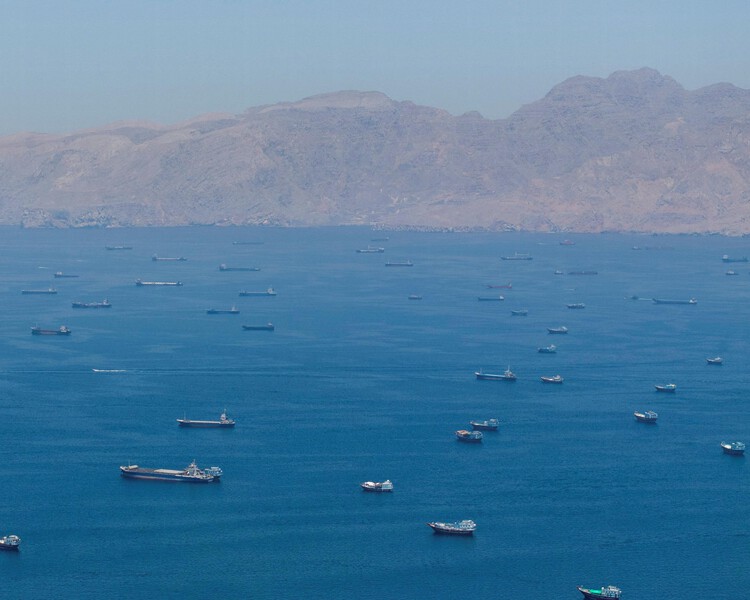
Middle East crisis: Iran’s foreign ministry says US broke ceasefire with overnight strikes – as it happened — Guardian US
The US military said it carried out strikes on Monday against targets including boats attempting to lay mines and missile launch sites
Trump had said talks with Iran were going "nicely" in a lengthy post on Truth Social on Monday, but warned of fresh attacks if they failed. It "will only be a Great Deal for all, or no Deal at all," he wrote. Donald Trump's inability to foster "win-win" outcomes to his zero-sum worldview. It stifles trust and collaboration, leading individuals or groups to reject mutually beneficial agreements out of fear of the other party benefiting.
View attachment 34538
Rather than seeking collaborative compromises, he approaches negotiations and global relations as binary contests where one party’s success requires the other to make concessions. People holding this view often apply it even when resources are actually abundant or value can be created for everyone.
Does it matter? They change depending on the day of the week and what colour of tie Trump is wearing. Today is Tuesday again. Day after Memorial Day. Stock markets are open in the U.S. again. Your guess is as good as the rest of the eight billion peasants.
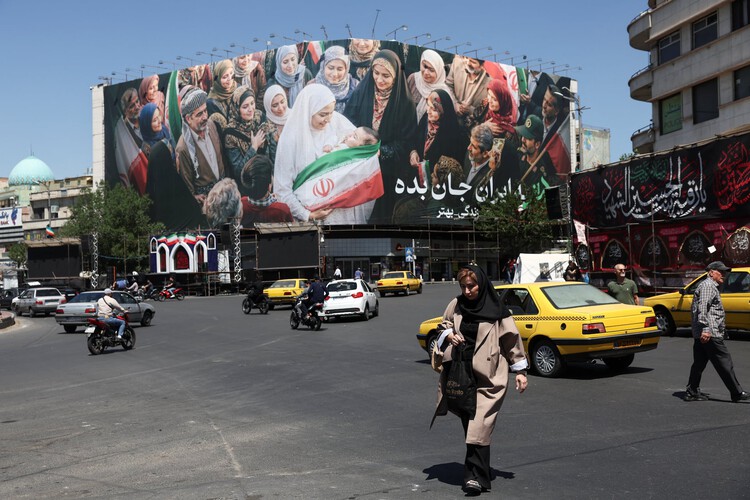
Iran says new US strikes violate ceasefire — Reuters
Iran said on Tuesday the United States had violated a ceasefire by striking targets near the contested Strait of Hormuz, potentially complicating efforts to bring the war to a close.
| Trump says it 'should be mandatory' for Muslim countries involved in Iran talks to join Abraham Accords |
| Senior Israeli defense officials are voicing concern over the emerging U.S.-Iran agreement, with IDF sources saying Israel's views received little consideration from Washington – both on Iran and on Lebanon. (Nobody believes or trusts Netanyahu any longer) One senior military officer expressed frustration that, despite Israel's full participation alongside the U.S. in the war with Iran, the White House was no longer giving sufficient weight to Israeli interests. Defense officials told Haaretz they are also pressing the government to ensure any agreement does not apply to Lebanon, adding that the IDF has no clear answers for northern Israeli residents about how the deal could affect security along the border.(Leave Lebanon and they won't shoot you. Pretty simple) Meanwhile, President Trump said Monday that any agreement with Iran should be tied to broader normalization between Israel and major Muslim states. Calling on Saudi Arabia and Qatar to take the leap first, Trump said "it should be mandatory" to join the Abraham Accords "at a minimum" because of "all the work done by the United States to try and pull this very complex puzzle together," referring to the Iran negotiations. (UAE fucked that up by secretly allying with Israel and the possibility of Israeli settlements on the gulf coast) Trump also included Turkey and Pakistan – a key mediator in the Iran talks – along with Egypt and Jordan, both of which signed peace agreements with Israel decades ago. He added that Iran itself should eventually join the accords, saying: "Wow, now that would be something special!" (Yes it would, Iran would sit at the top with the Saudis) |
Ahmadinejad....an Israeli plant?
Early War Goal Was to Install Hard-Line Former President as Iran’s Leader
An Israeli strike designed to free Mahmoud Ahmadinejad from house arrest in Tehran, U.S. officials said, was part of an effort to bring about regime change and put him in power.
Days after Israeli strikes killed Iran’s supreme leader and other top officials in the opening salvos of the war, President Trump mused publicly that it would be best if “someone from within” Iran took over the country.
It turns out that the United States and Israel went into the conflict with a particular and very surprising someone in mind: Mahmoud Ahmadinejad, the former Iranian president known for his hard-line, anti-Israel and anti-American views.
But the audacious plan, developed by the Israelis and which Mr. Ahmadinejad had been consulted about, quickly went awry, according to the U.S. officials who were briefed on it.
Mr. Ahmadinejad was injured on the war’s first day by an Israeli strike at his home in Tehran that had been designed to free him from house arrest, the American officials and an associate of Mr. Ahmadinejad said. He survived the strike, they said, but after the near miss he became disillusioned with the regime change plan.
To say that Mr. Ahmadinejad was an unusual choice would be a vast understatement. While he had increasingly clashed with the regime’s leaders and had been placed under close watch by the Iranian authorities, he was known during his term as president, from 2005 to 2013, for his calls to “wipe Israel off the map.” He was a strong supporter of Iran’s nuclear program, a fierce critic of the United States and known for violently cracking down on internal dissent.
How Mr. Ahmadinejad was recruited to take part remains unknown.
The existence of the effort, which has not been previously reported, was part of a multistage plan developed by Israel to topple Iran’s theocratic government. It underscores how Mr. Trump and Prime Minister Benjamin Netanyahu of Israel went into the war not only misjudging how quickly they could achieve their objectives but also gambling to some degree on a risky plan for leadership change in Iran that even some of Mr. Trump’s aides found implausible. Some American officials were skeptical in particular about the viability of putting Mr. Ahmadinejad back into power.
“From the outset, President Trump was clear about his goals for Operation Epic Fury: destroy Iran’s ballistic missiles, dismantle their production facilities, sink their navy, and weaken their proxy,” Anna Kelly, a White House spokeswoman, said in response to a request for comment about the regime change plan and Ahmadinejad. “The United States military met or exceeded all of its objectives, and now, our negotiators are working to make a deal that would end Iran’s nuclear capabilities for good.”
That American and Israeli officials saw Mr. Ahmadinejad as a potential leader of a new government in Iran is further evidence that the war in February was launched with the hopes of installing more pliable leadership in Tehran. Mr. Trump and members of his cabinet have said that the goals of the war were narrowly focused on destroying Iran’s nuclear, missile and military capabilities.
Early War Goal Was to Install Hard-Line Former President as Iran’s Leader
An Israeli strike designed to free Mahmoud Ahmadinejad from house arrest in Tehran, U.S. officials said, was part of an effort to bring about regime change and put him in p
Former President Mahmoud Ahmadinejad of Iran registering as a candidate in the presidential election in Tehran in 2024.Credit...Arash Khamooshi/Polaris for The New York Times
By Mark MazzettiJulian E. BarnesFarnaz Fassihi and Ronen Bergman
The reporters have been covering the U.S.-Israeli war against Iran.
May 19, 2026
Days after Israeli strikes killed Iran’s supreme leader and other top officials in the opening salvos of the war, President Trump mused publicly that it would be best if “someone from within” Iran took over the country.
Continued
Early War Goal Was to Install Hard-Line Former President as Iran’s Leader
An Israeli strike designed to free Mahmoud Ahmadinejad from house arrest in Tehran, U.S. officials said, was part of an effort to bring about regime change and put him in power.
Days after Israeli strikes killed Iran’s supreme leader and other top officials in the opening salvos of the war, President Trump mused publicly that it would be best if “someone from within” Iran took over the country.
It turns out that the United States and Israel went into the conflict with a particular and very surprising someone in mind: Mahmoud Ahmadinejad, the former Iranian president known for his hard-line, anti-Israel and anti-American views.
But the audacious plan, developed by the Israelis and which Mr. Ahmadinejad had been consulted about, quickly went awry, according to the U.S. officials who were briefed on it.
Mr. Ahmadinejad was injured on the war’s first day by an Israeli strike at his home in Tehran that had been designed to free him from house arrest, the American officials and an associate of Mr. Ahmadinejad said. He survived the strike, they said, but after the near miss he became disillusioned with the regime change plan.
To say that Mr. Ahmadinejad was an unusual choice would be a vast understatement. While he had increasingly clashed with the regime’s leaders and had been placed under close watch by the Iranian authorities, he was known during his term as president, from 2005 to 2013, for his calls to “wipe Israel off the map.” He was a strong supporter of Iran’s nuclear program, a fierce critic of the United States and known for violently cracking down on internal dissent.
How Mr. Ahmadinejad was recruited to take part remains unknown.
The existence of the effort, which has not been previously reported, was part of a multistage plan developed by Israel to topple Iran’s theocratic government. It underscores how Mr. Trump and Prime Minister Benjamin Netanyahu of Israel went into the war not only misjudging how quickly they could achieve their objectives but also gambling to some degree on a risky plan for leadership change in Iran that even some of Mr. Trump’s aides found implausible. Some American officials were skeptical in particular about the viability of putting Mr. Ahmadinejad back into power.
“From the outset, President Trump was clear about his goals for Operation Epic Fury: destroy Iran’s ballistic missiles, dismantle their production facilities, sink their navy, and weaken their proxy,” Anna Kelly, a White House spokeswoman, said in response to a request for comment about the regime change plan and Ahmadinejad. “The United States military met or exceeded all of its objectives, and now, our negotiators are working to make a deal that would end Iran’s nuclear capabilities for good.”
That American and Israeli officials saw Mr. Ahmadinejad as a potential leader of a new government in Iran is further evidence that the war in February was launched with the hopes of installing more pliable leadership in Tehran. Mr. Trump and members of his cabinet have said that the goals of the war were narrowly focused on destroying Iran’s nuclear, missile and military capabilities.
Early War Goal Was to Install Hard-Line Former President as Iran’s Leader
An Israeli strike designed to free Mahmoud Ahmadinejad from house arrest in Tehran, U.S. officials said, was part of an effort to bring about regime change and put him in p
Former President Mahmoud Ahmadinejad of Iran registering as a candidate in the presidential election in Tehran in 2024.Credit...Arash Khamooshi/Polaris for The New York Times
By Mark MazzettiJulian E. BarnesFarnaz Fassihi and Ronen Bergman
The reporters have been covering the U.S.-Israeli war against Iran.
May 19, 2026
Days after Israeli strikes killed Iran’s supreme leader and other top officials in the opening salvos of the war, President Trump mused publicly that it would be best if “someone from within” Iran took over the country.
Continued

It’s Tuesday, so maybe it’s their turn. Let’s see what happens by Friday.Looks like Trump has told Netanyahu and his fascist coalition to "fuck off".

Part 2
It turns out that the United States and Israel went into the conflict with a particular and very surprising someone in mind: Mahmoud Ahmadinejad, the former Iranian president known for his hard-line, anti-Israel and anti-American views.
But the audacious plan, developed by the Israelis and which Mr. Ahmadinejad had been consulted about, quickly went awry, according to the U.S. officials who were briefed on it.
Mr. Ahmadinejad was injured on the war’s first day by an Israeli strike at his home in Tehran that had been designed to free him from house arrest, the American officials and an associate of Mr. Ahmadinejad said. He survived the strike, they said, but after the near miss he became disillusioned with the regime change plan.
He has not been seen publicly since then and his current whereabouts and condition are unknown.
Smoke from explosions in Tehran on Feb. 28, the first day of U.S.-Israeli strikes in Iran.Credit...Arash Khamooshi/Polaris for The New York Times
To say that Mr. Ahmadinejad was an unusual choice would be a vast understatement. While he had increasingly clashed with the regime’s leaders and had been placed under close watch by the Iranian authorities, he was known during his term as president, from 2005 to 2013, for his calls to “wipe Israel off the map.” He was a strong supporter of Iran’s nuclear program, a fierce critic of the United States and known for violently cracking down on internal dissent.
How Mr. Ahmadinejad was recruited to take part remains unknown.
The existence of the effort, which has not been previously reported, was part of a multistage plan developed by Israel to topple Iran’s theocratic government. It underscores how Mr. Trump and Prime Minister Benjamin Netanyahu of Israel went into the war not only misjudging how quickly they could achieve their objectives but also gambling to some degree on a risky plan for leadership change in Iran that even some of Mr. Trump’s aides found implausible. Some American officials were skeptical in particular about the viability of putting Mr. Ahmadinejad back into power.
“From the outset, President Trump was clear about his goals for Operation Epic Fury: destroy Iran’s ballistic missiles, dismantle their production facilities, sink their navy, and weaken their proxy,” Anna Kelly, a White House spokeswoman, said in response to a request for comment about the regime change plan and Ahmadinejad. “The United States military met or exceeded all of its objectives, and now, our negotiators are working to make a deal that would end Iran’s nuclear capabilities for good.”
A spokesperson for Mossad, the Israeli foreign intelligence agency, declined to comment.
U.S. officials spoke during the early days of the war about plans developed with Israel to identify a pragmatist who could take over the country. Officials insisted that there was intelligence that some within the Iranian regime would be willing to work with the United States, even if those people couldn’t be described as “moderates.”
Mr. Trump was enjoying the success of the raid by U.S. forces to capture Venezuela’s leader, Nicolas Maduro, and the willingness of his interim replacement to work with the White House — a model that Mr. Trump appeared to think could be replicated elsewhere.
In recent years, Mr. Ahmadinejad has clashed with regime leaders, accusing them of corruption, and rumors have swirled about his loyalties. He was disqualified from numerous presidential elections, his aides were arrested and Mr. Ahmadinejad’s movements were increasingly restricted to his home in the Narmak section of eastern Tehran.
That American and Israeli officials saw Mr. Ahmadinejad as a potential leader of a new government in Iran is further evidence that the war in February was launched with the hopes of installing more pliable leadership in Tehran. Mr. Trump and members of his cabinet have said that the goals of the war were narrowly focused on destroying Iran’s nuclear, missile and military capabilities.
There are many unanswered questions about how Israel and the United States planned to put Mr. Ahmadinejad in power, and the circumstances surrounding the airstrike that injured him. American officials said that the strike — carried out by the Israeli Air Force — was meant to kill the guards watching over Mr. Ahmadinejad as part of a plan to release him from house arrest.
On the first day of the war, Israeli strikes killed Ayatollah Ali Khamenei, Iran’s supreme leader. The strike at Ayatollah Khamenei’s compound in central Tehran also blew up a meeting of Iranian officials, killing some officials whom the White House had identified as more willing to negotiate over a change in government than their bosses.
There were also initial reports at the time in the Iranian media that Mr. Ahmadinejad had been killed"in the strike on his home.
The strike did not significantly damage Mr. Ahmadinejad’s house at the end of a dead-end street. But the security outpost at the entrance to the street was struck. Satellite imagery shows that building was destroyed.
In the days that followed, official news agencies clarified that he had survived but that his “bodyguards” — in actuality Islamic Revolutionary Guard Corps members who were both guarding him and holding him under house arrest — were killed.
An article in The Atlantic in March, citing anonymous associates of Mr. Ahmadinejad, said that the former president had been freed from government confinement after the strike at his house, which the article described as “in effect a jailbreak operation.”
After that article, an associate of Mr. Ahmadinejad confirmed to The New York Times that Mr. Ahmadinejad saw the strike as an attempt to free him. The associate said the Americans viewed Mr. Ahmadinejad as someone who could lead Iran, and had the capability to manage “Iran’s political, social and military situation.”
Mr. Ahmadinejad would have been able to “play a very important role” in Iran in the near future, the associate said, suggesting that the United States saw him as similar to Delcy Rodriguez, who took power in Venezuela after American forces seized Mr. Maduro and has since worked closely with the Trump administration, the person said.
During his presidency, Mr. Ahmadinejad was known both for his hard-line policies and his often outlandish fundamentalist pronouncements, such as his declaration that there was not a single gay person in Iran and his denial of the Holocaust. He spoke at a conference in Tehran called “A World Without Zionism.”
Western satirists lampooned these views, and Mr. Ahmadinejad became something of an unwitting pop culture curiosity, even the subject of Saturday Night Live parodies.
After Mr. Ahmadinejad left office he gradually became something of an open critic of the theocratic government, or at least at odds with Ayatollah Khamenei.
Three times — 2017, 2021, and 2024 — Mr. Ahmadinejad tried to run for his previous job, but each time Iran’s Guardian Council, a group of civilian and Islamic jurists, blocked his presidential campaign. Mr. Ahmadinejad has accused senior Iranian officials of corruption or bad governance and become a critic of the government in Tehran. While he never was an overt dissident, the regime began to treat him as a potentially destabilizing element.
Mr. Ahmadinejad’s ties to the West are far murkier.
In a 2019 interview with The New York Times, Mr. Ahmadinejad praised President Trump and argued for a rapprochement between Iran and the United States.
“Mr. Trump is a man of action,” Mr. Ahmadinejad said. “He is a businessman and therefore he is capable of calculating cost-benefits and making a decision. We say to him, let’s calculate the long-term cost-benefit of our two nations and not be shortsighted.”
People close to Mr. Ahmadinejad have been accused of having too close ties to the West, or even spying for Israel. Esfandiar Rahim Mashai, Mr. Ahmadinejad’s former chief of staff, was put on trial in 2018 and the judge in the case publicly asked about his links to British and Israeli spy agencies, an accusation publicized by state media.
In the past few years Mr. Ahmadinejad has made trips out of Iran that further fueled speculation.
It turns out that the United States and Israel went into the conflict with a particular and very surprising someone in mind: Mahmoud Ahmadinejad, the former Iranian president known for his hard-line, anti-Israel and anti-American views.
But the audacious plan, developed by the Israelis and which Mr. Ahmadinejad had been consulted about, quickly went awry, according to the U.S. officials who were briefed on it.
Mr. Ahmadinejad was injured on the war’s first day by an Israeli strike at his home in Tehran that had been designed to free him from house arrest, the American officials and an associate of Mr. Ahmadinejad said. He survived the strike, they said, but after the near miss he became disillusioned with the regime change plan.
He has not been seen publicly since then and his current whereabouts and condition are unknown.
Smoke from explosions in Tehran on Feb. 28, the first day of U.S.-Israeli strikes in Iran.Credit...Arash Khamooshi/Polaris for The New York Times
To say that Mr. Ahmadinejad was an unusual choice would be a vast understatement. While he had increasingly clashed with the regime’s leaders and had been placed under close watch by the Iranian authorities, he was known during his term as president, from 2005 to 2013, for his calls to “wipe Israel off the map.” He was a strong supporter of Iran’s nuclear program, a fierce critic of the United States and known for violently cracking down on internal dissent.
How Mr. Ahmadinejad was recruited to take part remains unknown.
The existence of the effort, which has not been previously reported, was part of a multistage plan developed by Israel to topple Iran’s theocratic government. It underscores how Mr. Trump and Prime Minister Benjamin Netanyahu of Israel went into the war not only misjudging how quickly they could achieve their objectives but also gambling to some degree on a risky plan for leadership change in Iran that even some of Mr. Trump’s aides found implausible. Some American officials were skeptical in particular about the viability of putting Mr. Ahmadinejad back into power.
“From the outset, President Trump was clear about his goals for Operation Epic Fury: destroy Iran’s ballistic missiles, dismantle their production facilities, sink their navy, and weaken their proxy,” Anna Kelly, a White House spokeswoman, said in response to a request for comment about the regime change plan and Ahmadinejad. “The United States military met or exceeded all of its objectives, and now, our negotiators are working to make a deal that would end Iran’s nuclear capabilities for good.”
A spokesperson for Mossad, the Israeli foreign intelligence agency, declined to comment.
U.S. officials spoke during the early days of the war about plans developed with Israel to identify a pragmatist who could take over the country. Officials insisted that there was intelligence that some within the Iranian regime would be willing to work with the United States, even if those people couldn’t be described as “moderates.”
Mr. Trump was enjoying the success of the raid by U.S. forces to capture Venezuela’s leader, Nicolas Maduro, and the willingness of his interim replacement to work with the White House — a model that Mr. Trump appeared to think could be replicated elsewhere.
In recent years, Mr. Ahmadinejad has clashed with regime leaders, accusing them of corruption, and rumors have swirled about his loyalties. He was disqualified from numerous presidential elections, his aides were arrested and Mr. Ahmadinejad’s movements were increasingly restricted to his home in the Narmak section of eastern Tehran.
That American and Israeli officials saw Mr. Ahmadinejad as a potential leader of a new government in Iran is further evidence that the war in February was launched with the hopes of installing more pliable leadership in Tehran. Mr. Trump and members of his cabinet have said that the goals of the war were narrowly focused on destroying Iran’s nuclear, missile and military capabilities.
There are many unanswered questions about how Israel and the United States planned to put Mr. Ahmadinejad in power, and the circumstances surrounding the airstrike that injured him. American officials said that the strike — carried out by the Israeli Air Force — was meant to kill the guards watching over Mr. Ahmadinejad as part of a plan to release him from house arrest.
On the first day of the war, Israeli strikes killed Ayatollah Ali Khamenei, Iran’s supreme leader. The strike at Ayatollah Khamenei’s compound in central Tehran also blew up a meeting of Iranian officials, killing some officials whom the White House had identified as more willing to negotiate over a change in government than their bosses.
There were also initial reports at the time in the Iranian media that Mr. Ahmadinejad had been killed"in the strike on his home.
The strike did not significantly damage Mr. Ahmadinejad’s house at the end of a dead-end street. But the security outpost at the entrance to the street was struck. Satellite imagery shows that building was destroyed.
In the days that followed, official news agencies clarified that he had survived but that his “bodyguards” — in actuality Islamic Revolutionary Guard Corps members who were both guarding him and holding him under house arrest — were killed.
An article in The Atlantic in March, citing anonymous associates of Mr. Ahmadinejad, said that the former president had been freed from government confinement after the strike at his house, which the article described as “in effect a jailbreak operation.”
After that article, an associate of Mr. Ahmadinejad confirmed to The New York Times that Mr. Ahmadinejad saw the strike as an attempt to free him. The associate said the Americans viewed Mr. Ahmadinejad as someone who could lead Iran, and had the capability to manage “Iran’s political, social and military situation.”
Mr. Ahmadinejad would have been able to “play a very important role” in Iran in the near future, the associate said, suggesting that the United States saw him as similar to Delcy Rodriguez, who took power in Venezuela after American forces seized Mr. Maduro and has since worked closely with the Trump administration, the person said.
During his presidency, Mr. Ahmadinejad was known both for his hard-line policies and his often outlandish fundamentalist pronouncements, such as his declaration that there was not a single gay person in Iran and his denial of the Holocaust. He spoke at a conference in Tehran called “A World Without Zionism.”
Western satirists lampooned these views, and Mr. Ahmadinejad became something of an unwitting pop culture curiosity, even the subject of Saturday Night Live parodies.
After Mr. Ahmadinejad left office he gradually became something of an open critic of the theocratic government, or at least at odds with Ayatollah Khamenei.
Three times — 2017, 2021, and 2024 — Mr. Ahmadinejad tried to run for his previous job, but each time Iran’s Guardian Council, a group of civilian and Islamic jurists, blocked his presidential campaign. Mr. Ahmadinejad has accused senior Iranian officials of corruption or bad governance and become a critic of the government in Tehran. While he never was an overt dissident, the regime began to treat him as a potentially destabilizing element.
Mr. Ahmadinejad’s ties to the West are far murkier.
In a 2019 interview with The New York Times, Mr. Ahmadinejad praised President Trump and argued for a rapprochement between Iran and the United States.
“Mr. Trump is a man of action,” Mr. Ahmadinejad said. “He is a businessman and therefore he is capable of calculating cost-benefits and making a decision. We say to him, let’s calculate the long-term cost-benefit of our two nations and not be shortsighted.”
People close to Mr. Ahmadinejad have been accused of having too close ties to the West, or even spying for Israel. Esfandiar Rahim Mashai, Mr. Ahmadinejad’s former chief of staff, was put on trial in 2018 and the judge in the case publicly asked about his links to British and Israeli spy agencies, an accusation publicized by state media.
In the past few years Mr. Ahmadinejad has made trips out of Iran that further fueled speculation.
Part 3
In 2023, he traveled to Guatemala and in 2024 and 2025 he went to Hungary, trips detailed by New Lines magazine. Both countries have close ties to Israel.
The Hungarian prime minister at the time, Viktor Orban, has a close relationship with Mr. Netanyahu. During the trips to Hungary, Mr. Ahmadinejad spoke at a university connected to Mr. Orban.
He returned from Budapest just days before Israel began attacking Iran last June. When that war broke out, he kept a low public profile and posted only few statements on social media. His relative silence about a war with a country that Mr. Ahmadinejad had long viewed as Iran’s main enemy was noted by many on Iranian social media.
Discussion of Mr. Ahmadinejad on Iranian social media picked up after reports of his death, according to an analysis by FilterLabs, a company that tracks public sentiment. But the discussion declined in the weeks following, mainly amounting to confusion about his whereabouts.
At the outset, Israel envisioned the war unfolding in several phases, starting with air assaults by the United States and Israel plus the killing of Iran’s supreme leaders and the mobilization of Kurds to fight Iranian forces, according to two Israeli defense officials familiar with the operational planning.
Then, the Israeli plan foresaw a combination of influence campaigns carried out by Israel and the Kurdish invasion creating political instability in Iran and a sense that the regime was losing control. In a third stage, the regime, under intense political pressure and the weight of damage to key infrastructure like electricity, would collapse, allowing for what the Israelis referred to as an “alternative government” to be established.
Other than the air campaign and the killing of the supreme leader, little of the plan played out as the Israelis had hoped, and much of it appears in retrospect to have profoundly misjudged Iran’s resilience and the capacity of the United States and Israel to exert their will.
But even after it became clear that Iran’s theocratic government had survived the first months of the war, some Israeli officials continued to express belief in their vision of imposing regime change in Tehran.
David Barnea, Mossad’s chief, told associates in several discussions that he still thought that the agency’s plan, based on decades of intelligence collection and operational activity in Iran, had a very good chance of succeeding had it received approval to move forward.
In 2023, he traveled to Guatemala and in 2024 and 2025 he went to Hungary, trips detailed by New Lines magazine. Both countries have close ties to Israel.
The Hungarian prime minister at the time, Viktor Orban, has a close relationship with Mr. Netanyahu. During the trips to Hungary, Mr. Ahmadinejad spoke at a university connected to Mr. Orban.
He returned from Budapest just days before Israel began attacking Iran last June. When that war broke out, he kept a low public profile and posted only few statements on social media. His relative silence about a war with a country that Mr. Ahmadinejad had long viewed as Iran’s main enemy was noted by many on Iranian social media.
Discussion of Mr. Ahmadinejad on Iranian social media picked up after reports of his death, according to an analysis by FilterLabs, a company that tracks public sentiment. But the discussion declined in the weeks following, mainly amounting to confusion about his whereabouts.
At the outset, Israel envisioned the war unfolding in several phases, starting with air assaults by the United States and Israel plus the killing of Iran’s supreme leaders and the mobilization of Kurds to fight Iranian forces, according to two Israeli defense officials familiar with the operational planning.
Then, the Israeli plan foresaw a combination of influence campaigns carried out by Israel and the Kurdish invasion creating political instability in Iran and a sense that the regime was losing control. In a third stage, the regime, under intense political pressure and the weight of damage to key infrastructure like electricity, would collapse, allowing for what the Israelis referred to as an “alternative government” to be established.
Other than the air campaign and the killing of the supreme leader, little of the plan played out as the Israelis had hoped, and much of it appears in retrospect to have profoundly misjudged Iran’s resilience and the capacity of the United States and Israel to exert their will.
But even after it became clear that Iran’s theocratic government had survived the first months of the war, some Israeli officials continued to express belief in their vision of imposing regime change in Tehran.
David Barnea, Mossad’s chief, told associates in several discussions that he still thought that the agency’s plan, based on decades of intelligence collection and operational activity in Iran, had a very good chance of succeeding had it received approval to move forward.
Does Trump or anyone else still trust Netanyahu and the JKK?It’s Tuesday, so maybe it’s their turn. Let’s see what happens by Friday.
I don’t trust anybody like that, but I’m also trying to look for balance in the end, much like I am with the thread about Alberta separation and how Carney is treating that versus Quebec, etc…Does Trump or anyone else still trust Netanyahu and the JKK?
When it comes to Israel, there’s not a whole lot of balance.
The Zionists shit the fascist bed.I don’t trust anybody like that, but I’m also trying to look for balance in the end, much like I am with the thread about Alberta separation and how Carney is treating that versus Quebec, etc…
When it comes to Israel, there’s not a whole lot of balance.
Iran and the US have for weeks been engaged in a war of words as they negotiate a deal with mediation efforts led by Pakistan. With no clear winner in the war, neither side appears ready to compromise on the key sticking points in negotiations, which include the Strait of Hormuz and Iran's nuclear programme.

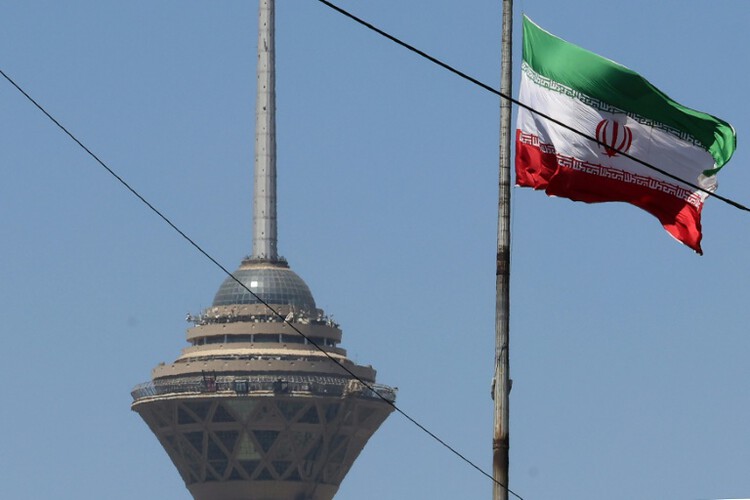 apple.news
Iran says 'low' possibility of return to war with US — AFP News
Iran's Revolutionary Guards said on Wednesday that a return to war with the United States was unlikely, but warned the Islamic republic stood ready to respond to any attack.

Apparently, he has normal sized hands, but the rest of him makes them look small. Hands splay with labour so…his are still factory original I guess.Somebody really should tell Trump that he makes a fist like a girl.
Iran state TV says draft deal with US would reopen Hormuz shipping, end naval blockade — Reuters
Iran's state TV said it had obtained a draft of an initial, unofficial framework for a memorandum of understanding between Iran and the United States on ending their conflict.
| IDF chief says Iran’s military capabilities destroyed, Netanyahu’s U.S. ally attacks Pakistan |
| While Saudi Arabia and Qatar have yet to officially respond to U.S. President Trump's announcement that joining the Abraham Accords with Israel "should be mandatory" for countries involved in negotiations with Iran, Gulf sources told Haaretz they are unlikely to agree. "Trump is free to say what he wants and think as he wishes, but in the Middle East, strategic moves aren't made through public declarations or political fantasies," a Saudi source close to the royal family said, adding that Riyadh still views the Arab League peace plan from 2002 as a binding basis for any progress in relations with Israel. Beyond that, the source added, there is no intention to hand Israel any "free gifts" without a real path toward a Palestinian state. Since October 7, 2023, Israel has failed to strengthen regional stability, the source said, and has instead "crushed" any prospect of a diplomatic process through escalation and public statements. According to the source, "the regional atmosphere doesn't allow normalization with Israel, especially not from a central country like Saudi Arabia." Qatar has also reportedly expressed reservations about the idea of "normalization without Palestinian compensation." Other Gulf sources assessed that Trump's request is an attempt to secure a diplomatic achievement involving Israel after falling short on the Iranian front. However, Arab diplomats and Gulf officials told Haaretz that Trump's failure in Iran has led nations in the region to resist U.S. pressure to normalize relations with Israel. Furthermore, since Israel is not presenting a credible diplomatic horizon, Riyadh and Doha are unwilling to offer Trump a diplomatic achievement, some sources said. Meanwhile, Republican Senator Lindsey Graham, a stalwart ally of PM Netanyahu, criticized Pakistan's efforts to mediate the U.S.-Iran cease-fire, citing Islamabad's refusal to join the Abraham Accords and "animosity towards Israel." Graham described senior Pakistani officials' past statements about Israel as "disturbing," adding that this makes Pakistan's involvement in the talks "more than problematic," and concluding it was "imperative that Pakistan give an answer now to President Trump's call to join the Abraham Accords." Speaking at a ceremony inaugurating a new aerial refueling squadron on Wednesday, IDF Chief of Staff Zamir said that Iran's nuclear program has been set back by years and that the ayatollah regime's "future and stability are shrouded in uncertainty." Zamir further claimed that Iran's military capabilities have been destroyed, and the Iranian economy is collapsing. Iranians, he added, "have yet to understand the scale of the disaster their extremist leaders have led them into." |
| Despite Israeli law, Ben-Gvir preventing state inspectors from reviewing prisons |
| For more than six months now, Israel's far-right police minister, Itamar Ben-Gvir, has been preventing state inspectors from entering prisons by delaying approval of their official authorization. A list of inspectors appointed by the Justice Ministry and the Public Defender's Office to conduct visits to Israeli prison facilities was submitted to Ben-Gvir in December 2025, but he has since refrained from signing off on the list and has ignored all inquiries on the matter. He has also refused to approve the entry of Israel Bar Association representatives, whose names are on a separate list, for the past three years. Ben-Gvir is required by Israeli law to approve the appointment of "official visitors" who are allowed to enter Israeli prisons at any time to examine detention conditions, facility management, and even speak to prisoners. A senior law enforcement official told Haaretz that "Ben-Gvir is using his authority to exert pressure on the identity of people who will be allowed to visit detention facilities." |
Last edited:
U.S. President Donald Trump said on Wednesday he was unconcerned about the political fallout of an extended conflict with Iran, and that Iranian leaders had miscalculated if they thought the November midterm elections would force him into a deal.
 President Donald Trump’s approval rating sits at an average of roughly 37%, with his disapproval rating hovering around 58% to 60%. His net approval remains deep in negative territory, driven largely by concerns over the cost of living, rising gas prices, and the ongoing war in Iran.
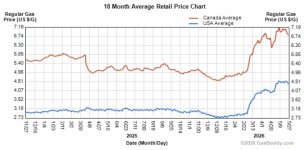
"They thought they were going to outwait me," Trump said at a White House cabinet meeting, referring to Iran's leadership. "You know, 'We'll outwait him. He's got the midterms.' (?) I don't care about the midterms."
(YouTube & Trump says he is focusing on midterm elections as Republican concerns linger from 4 months ago)
{Iran does not have a formal system of "midterm elections" for its parliament or presidency. Because all legislative and executive offices are elected concurrently for full four-year cycles, there are no nationwide midterms}
Growing voter disquiet about high prices, especially for gasoline, has added to political pressure on Trump’s Republican Party, which is widely expected to struggle to keep control of the House of Representatives and possibly the Senate.
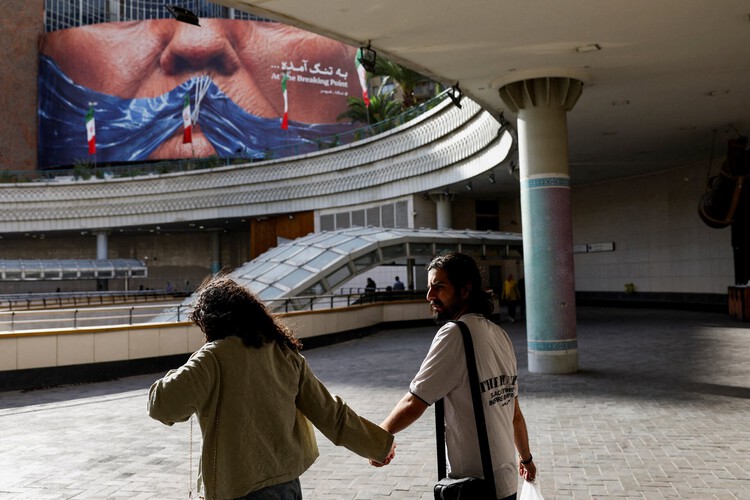 apple.news
President Donald Trump’s approval rating sits at an average of roughly 37%, with his disapproval rating hovering around 58% to 60%. His net approval remains deep in negative territory, driven largely by concerns over the cost of living, rising gas prices, and the ongoing war in Iran."They thought they were going to outwait me," Trump said at a White House cabinet meeting, referring to Iran's leadership. "You know, 'We'll outwait him. He's got the midterms.' (?) I don't care about the midterms."
{Iran does not have a formal system of "midterm elections" for its parliament or presidency. Because all legislative and executive offices are elected concurrently for full four-year cycles, there are no nationwide midterms}
Growing voter disquiet about high prices, especially for gasoline, has added to political pressure on Trump’s Republican Party, which is widely expected to struggle to keep control of the House of Representatives and possibly the Senate.
Trump says he can outwait Iran, dismisses midterm election pressure — Reuters
U.S. President Donald Trump said on Wednesday he was unconcerned about the political fallout of an extended conflict with Iran, and that Iranian leaders had miscalculated if they thought the November midterm elections would force him into a deal.
Reign in Bibi before the Turks say "fuck this shit".U.S. President Donald Trump said on Wednesday he was unconcerned about the political fallout of an extended conflict with Iran, and that Iranian leaders had miscalculated if they thought the November midterm elections would force him into a deal.
View attachment 34549President Donald Trump’s approval rating sits at an average of roughly 37%, with his disapproval rating hovering around 58% to 60%. His net approval remains deep in negative territory, driven largely by concerns over the cost of living, rising gas prices, and the ongoing war in Iran.
View attachment 34550
"They thought they were going to outwait me," Trump said at a White House cabinet meeting, referring to Iran's leadership. "You know, 'We'll outwait him. He's got the midterms.' (?) I don't care about the midterms."
(YouTube & Trump says he is focusing on midterm elections as Republican concerns linger from 4 months ago)
{Iran does not have a formal system of "midterm elections" for its parliament or presidency. Because all legislative and executive offices are elected concurrently for full four-year cycles, there are no nationwide midterms}
Growing voter disquiet about high prices, especially for gasoline, has added to political pressure on Trump’s Republican Party, which is widely expected to struggle to keep control of the House of Representatives and possibly the Senate.
Trump says he can outwait Iran, dismisses midterm election pressure — Reuters
U.S. President Donald Trump said on Wednesday he was unconcerned about the political fallout of an extended conflict with Iran, and that Iranian leaders had miscalculated if they thought the November midterm elections would force him into a deal.
Is Al-Qaeda from Syria going to join Hezbollah or has it as well as Iraqis Turks, Jordanians, expat Iranians, Egyptian, Arabs and maybe the Azov nazis who've already fought beside AlQaeda against Wagner in Syria etc etc.
Netanyahu and the JKK is going to lose and go to jail.
Last edited:
That would be interesting, with Turkey both being in NATO, and harbouring Hamas and Friends. Who jumps in which direction could come down to who pulls the trigger first.Reign in Bibi before the Turks sa "fuck this shit".
Then with Assad and his relatives camping out in Moscow after waving goodbye to Syria, well, it’s no longer under the thumb of one guy propped up by Iran and Hezbollah and Russia, so warlords will carve out their own little chunks and fiefdoms…& Syria borders on both turkey and Israel among others. Hell, it could even turn into another Palestine on Turkeys doorstep instead of Israels.
It's why Trump wans out of NATO. Not obligated fight aginst Isreal but could turn out Isreal and US against NATO.That would be interesting, with Turkey both being in NATO, and harbouring Hamas and Friends. Who jumps in which direction could come down to who pulls the trigger first.
Bingo-Bango'-Bongo the Zio-Mensheviks take Europe.
So who the fuck is propping up Al Qeada in Syria and what the actual fuck is going on?Then with Assad and his relatives camping out in Moscow after waving goodbye to Syria, well, it’s no longer under the thumb of one guy propped up by Iran and Hezbollah and Russia, so warlords will carve out their own little chunks and fiefdoms…& Syria borders on both turkey and Israel among others. Hell, it could even turn into another Palestine on Turkeys doorstep instead of Israels.
Key details regarding Ukraine's covert operations in Syria include:Targeting Russian Assets: Ukrainian special forces and Syrian rebel groups have coordinated attacks against Russian mercenaries and military facilities in Syria (including strikes near Aleppo and the Golan Heights) to disrupt Russian operations and supply lines.
Drone Warfare: Ukrainian intelligence sent approximately 20 drone operators and 150 first-person-view (FPV) drones to Syria to assist anti-government forces (such as Hayat Tahrir al-Sham), aiming to undermine Russia's sphere of influence.
Last edited: