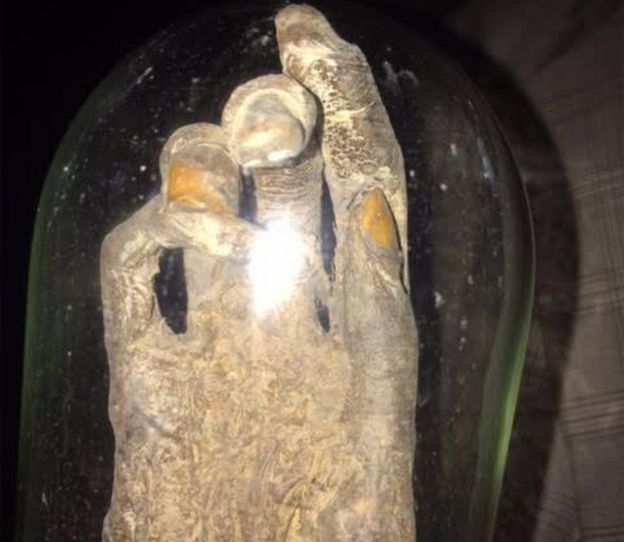
A bone fragment believed to come from St Thomas Becket is going on display in England for the first time since it was taken to Hungary 800 years ago.
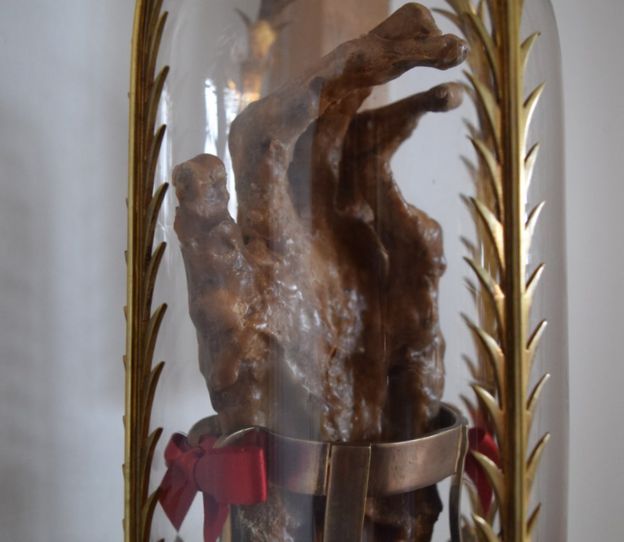
The bone is believed to be from the elbow of St Thomas, who was murdered in Canterbury Cathedral in 1170 after he fell out with King Henry II.
The fragment is the centrepiece of a week-long pilgrimage in London and Kent.
The pilgrimage starts with a Holy Mass at Westminster Cathedral in London.
Thomas Becket bone fragment arrives in UK from Hungary after 800 years
BBC News
23 May 2016
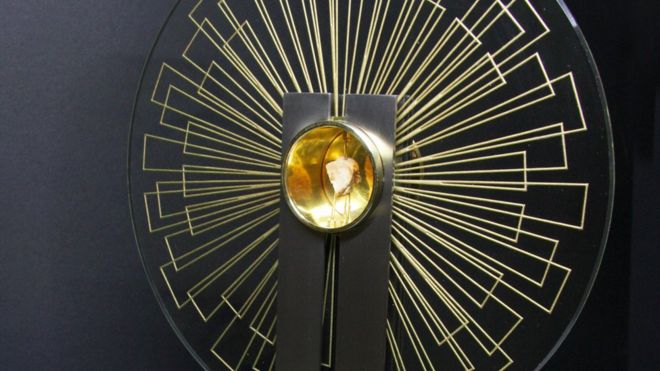
The relic is considered to be bone from St Thomas Becket's elbow, taken to Hungary 800 years ago
A bone fragment believed to come from St Thomas Becket is going on display in England for the first time since it was taken to Hungary 800 years ago.
The bone is believed to be from the elbow of St Thomas, who was murdered in Canterbury Cathedral in 1170 after he fell out with King Henry II.
The fragment is the centrepiece of a week-long pilgrimage in London and Kent.
The pilgrimage starts with a Holy Mass at Westminster Cathedral in London.
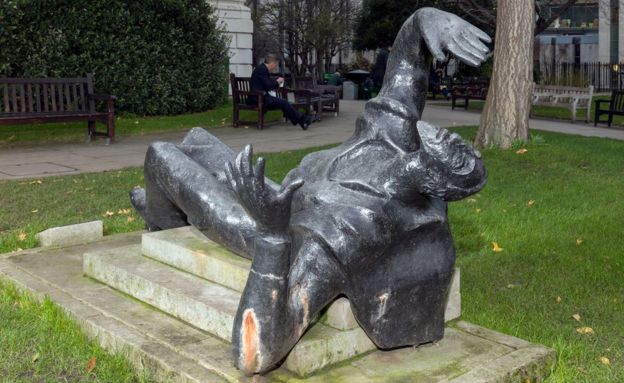
Edward Bainbridge Copnall's statue at St Paul's Cathedral depicts Thomas Becket's murder
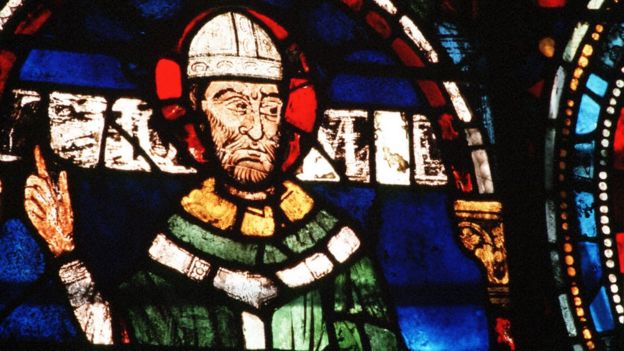
A stained glass window in Canterbury Cathedral commemorates Thomas Becket
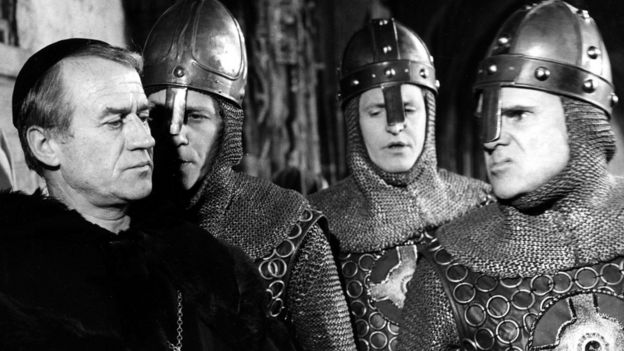
Cyril Cusack played Becket in TS Eliot's verse play Murder In The Cathedral in a 1964 BBC production

Canterbury Cathedral, the scene of the brutal murder on 29 December 1170
Archbishop of Westminster Cardinal Vincent Nichols will celebrate the Holy Mass with Hungarian President Janos Ader and the country's Primate Cardinal Peter Erdo.
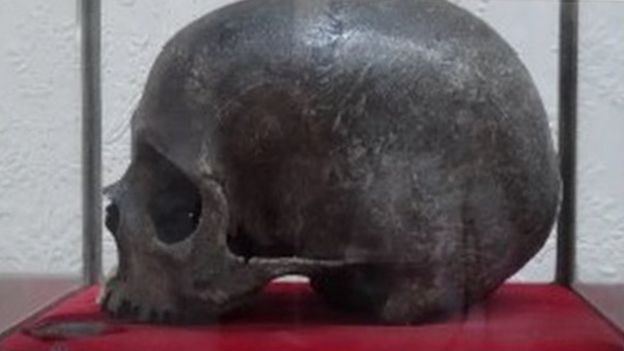
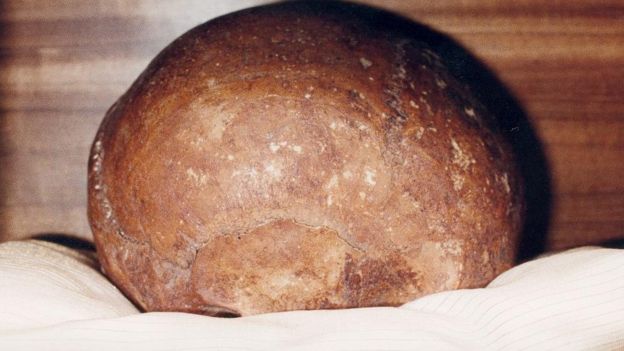
The elbow fragment will be reunited with a fragment said to be from Thomas Becket's skull, normally kept at Stonyhurst College in Lancashire.
Cardinal Nichols said the pilgrimage was a return journey for the relic - 800 years late.
"It helps to solidify that growing sharing of life that takes place between Christian churches and it reminds all Christians that there comes a point where their loyalty to Christ becomes the overriding loyalty of their lives and they might have to pay a final price," he said.
The relic will also be on display at Westminster Abbey and St Magnus the Martyr Church in Lower Thames Street while in London.
It travels to Rochester Cathedral on Friday and Canterbury Cathedral on Saturday before being returned to Hungary.
It is not known how the relic arrived in Hungary but two prelates from Hungary were said to have been present in Canterbury Cathedral when Thomas Becket's body was reburied in 1220 and his tomb opened.
The shrine at Canterbury containing most of Becket's remains was destroyed during the reign of Henry VIII when the Catholic practice of venerating saints was condemned.
Who was Thomas Becket?
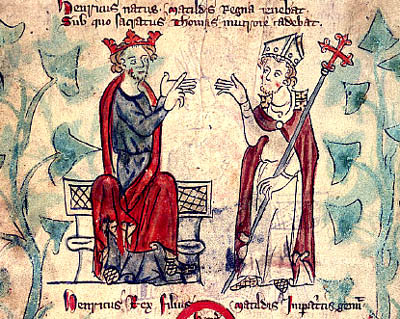
Friends who became enemies: King Henry II and Archbishop of Canterbury Thomas Becket
King Henry II made his close friend Thomas Becket Archbishop of Canterbury in 1161.
The friendship came under strain when Becket stood up for the church in disagreements with the king.
In 1164, Becket fled to France, returning in 1170.
On the 29 December 1170, four knights, believing the king wanted Becket out of the way, murdered him in Canterbury Cathedral.
Becket was made a saint in 1173 and his shrine in Canterbury Cathedral became a focus for pilgrimage.

The murder of Becket
Thomas Becket bone fragment arrives in UK from Hungary after 800 years - BBC News
The bone is believed to be from the elbow of St Thomas, who was murdered in Canterbury Cathedral in 1170 after he fell out with King Henry II.
The fragment is the centrepiece of a week-long pilgrimage in London and Kent.
The pilgrimage starts with a Holy Mass at Westminster Cathedral in London.
Thomas Becket bone fragment arrives in UK from Hungary after 800 years
BBC News
23 May 2016
The relic is considered to be bone from St Thomas Becket's elbow, taken to Hungary 800 years ago
A bone fragment believed to come from St Thomas Becket is going on display in England for the first time since it was taken to Hungary 800 years ago.
The bone is believed to be from the elbow of St Thomas, who was murdered in Canterbury Cathedral in 1170 after he fell out with King Henry II.
The fragment is the centrepiece of a week-long pilgrimage in London and Kent.
The pilgrimage starts with a Holy Mass at Westminster Cathedral in London.
Edward Bainbridge Copnall's statue at St Paul's Cathedral depicts Thomas Becket's murder
A stained glass window in Canterbury Cathedral commemorates Thomas Becket
Cyril Cusack played Becket in TS Eliot's verse play Murder In The Cathedral in a 1964 BBC production
Canterbury Cathedral, the scene of the brutal murder on 29 December 1170
Archbishop of Westminster Cardinal Vincent Nichols will celebrate the Holy Mass with Hungarian President Janos Ader and the country's Primate Cardinal Peter Erdo.
The elbow fragment will be reunited with a fragment said to be from Thomas Becket's skull, normally kept at Stonyhurst College in Lancashire.
Cardinal Nichols said the pilgrimage was a return journey for the relic - 800 years late.
"It helps to solidify that growing sharing of life that takes place between Christian churches and it reminds all Christians that there comes a point where their loyalty to Christ becomes the overriding loyalty of their lives and they might have to pay a final price," he said.
The relic will also be on display at Westminster Abbey and St Magnus the Martyr Church in Lower Thames Street while in London.
It travels to Rochester Cathedral on Friday and Canterbury Cathedral on Saturday before being returned to Hungary.
It is not known how the relic arrived in Hungary but two prelates from Hungary were said to have been present in Canterbury Cathedral when Thomas Becket's body was reburied in 1220 and his tomb opened.
The shrine at Canterbury containing most of Becket's remains was destroyed during the reign of Henry VIII when the Catholic practice of venerating saints was condemned.
Who was Thomas Becket?
Friends who became enemies: King Henry II and Archbishop of Canterbury Thomas Becket
King Henry II made his close friend Thomas Becket Archbishop of Canterbury in 1161.
The friendship came under strain when Becket stood up for the church in disagreements with the king.
In 1164, Becket fled to France, returning in 1170.
On the 29 December 1170, four knights, believing the king wanted Becket out of the way, murdered him in Canterbury Cathedral.
Becket was made a saint in 1173 and his shrine in Canterbury Cathedral became a focus for pilgrimage.
The murder of Becket
Thomas Becket bone fragment arrives in UK from Hungary after 800 years - BBC News