


No that is all Trumps doing , everything can be blamed on Trump . Come on man , Joe can’t even find his way to the toilet , do you think he is in charge of anything ?PURE EVIL: Biden State Dept “Actively Impeding” Rescue Efforts of US Citizens Stranded in Afghanistan – Including Group of Catholic Nuns
By Jim Hoft
Published December 29, 2021 at 9:13pm
329 Comments
Omnibus Afghanistan thread
- Thread starter B00Mer
- Start date
You are using an out of date browser. It may not display this or other websites correctly.
You should upgrade or use an alternative browser.
You should upgrade or use an alternative browser.
We should still be talking about this. We should be ashamed as Canadians for how our own government handled this.

One million Afghans want into Canada: Report
Author of the article:
Postmedia News
Publishing date:
Jan 18, 2022 • 12 hours ago • 1 minute read •
Join the conversation
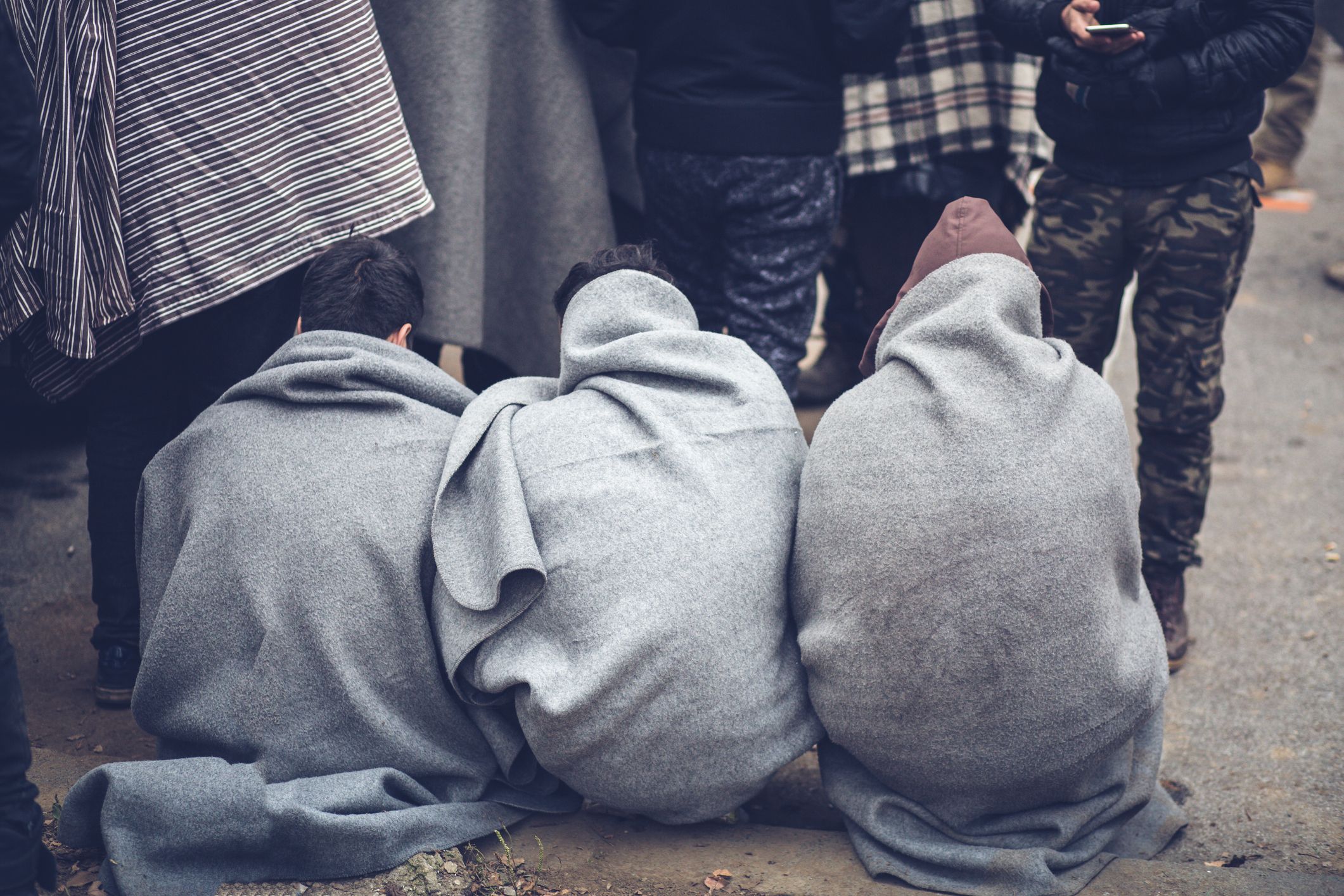
Immigration Minister Sean Fraser says more than a million Afghans have asked to come to Canada and so far we’ve only accepted 6,750 to date, according to Blacklock’s Reporter.
Immigration Minister Sean Fraser says more than a million Afghans have asked to come to Canada and so far we’ve only accepted 6,750 to date, according to Blacklock’s Reporter. Photo by iStock /GETTY IMAGES
Article content
Canada is still a long way off from accepting the number of Afghan refugees it said it would.
Advertisement
Story continues below
Article content
The quota was originally 20,000 but then that number was doubled to 40,000.
In fact, the country’s Immigration Minister Sean Fraser says more than a million Afghans have asked to come to Canada and so far we’ve only accepted 6,750 to date, according to Blacklock’s Reporter.
“We look forward to welcoming even more Afghan refugees,” said Fraser.
“I anticipate that if we remain on track, sometime in the next calendar year, now that we’re in 2022, we will cross the 40,000 threshold.”
Afghanistan has a population of 40 million.
“The circumstances of course are heartbreaking in Afghanistan,” said Fraser. “It is not necessarily one million distinct applicants. I use the point to illustrate the pressures the system is facing when it comes to processing and identifying 40,000 cases that qualify.”
Advertisement
Story continues below
Article content
Last year, Canada welcomed 405,000 immigrants from all over the world, breaking the previous record of 400,870 in 1913.
It was the first increase in federal immigration quotas in a national recession.
Cabinet has proposed to raise the national quota to 411,000 more immigrants in 2022 and 421,000 in 2023.
More On This Topic
Afghan interpreter Ahmad
WARMINGTON: Afghans stranded by Canada cling to hope heading into 2022
Afghan refugees who supported Canada's mission in Afghanistan prepare to board buses after arriving in Canada at Toronto Pearson International Airport, Aug. 24, 2021.
First Afghan human rights activists arrive six months after Ottawa's promise of help
Women's clothes are displayed on mannequins as a man shops in a new market on Nov. 1, 2010 in Herat, Afghanistan.
Taliban orders Afghan shopkeepers to behead mannequins
“New Canadians who choose Canada as their home play a crucial role in our economic success, our diversity,” said Fraser.
“They help build the richness of our communities and our future prosperity, particularly as we’re seeking to fill gaps in the labour force and restore the health of our communities after the COVID-19 pandemic.”
 torontosun.com
Author of the article:
Postmedia News
Publishing date:
Jan 18, 2022 • 12 hours ago • 1 minute read •
Join the conversation
Immigration Minister Sean Fraser says more than a million Afghans have asked to come to Canada and so far we’ve only accepted 6,750 to date, according to Blacklock’s Reporter.
Immigration Minister Sean Fraser says more than a million Afghans have asked to come to Canada and so far we’ve only accepted 6,750 to date, according to Blacklock’s Reporter. Photo by iStock /GETTY IMAGES
Article content
Canada is still a long way off from accepting the number of Afghan refugees it said it would.
Advertisement
Story continues below
Article content
The quota was originally 20,000 but then that number was doubled to 40,000.
In fact, the country’s Immigration Minister Sean Fraser says more than a million Afghans have asked to come to Canada and so far we’ve only accepted 6,750 to date, according to Blacklock’s Reporter.
“We look forward to welcoming even more Afghan refugees,” said Fraser.
“I anticipate that if we remain on track, sometime in the next calendar year, now that we’re in 2022, we will cross the 40,000 threshold.”
Afghanistan has a population of 40 million.
“The circumstances of course are heartbreaking in Afghanistan,” said Fraser. “It is not necessarily one million distinct applicants. I use the point to illustrate the pressures the system is facing when it comes to processing and identifying 40,000 cases that qualify.”
Advertisement
Story continues below
Article content
Last year, Canada welcomed 405,000 immigrants from all over the world, breaking the previous record of 400,870 in 1913.
It was the first increase in federal immigration quotas in a national recession.
Cabinet has proposed to raise the national quota to 411,000 more immigrants in 2022 and 421,000 in 2023.
Afghan interpreter Ahmad
WARMINGTON: Afghans stranded by Canada cling to hope heading into 2022
Afghan refugees who supported Canada's mission in Afghanistan prepare to board buses after arriving in Canada at Toronto Pearson International Airport, Aug. 24, 2021.
First Afghan human rights activists arrive six months after Ottawa's promise of help
Women's clothes are displayed on mannequins as a man shops in a new market on Nov. 1, 2010 in Herat, Afghanistan.
Taliban orders Afghan shopkeepers to behead mannequins
“New Canadians who choose Canada as their home play a crucial role in our economic success, our diversity,” said Fraser.
“They help build the richness of our communities and our future prosperity, particularly as we’re seeking to fill gaps in the labour force and restore the health of our communities after the COVID-19 pandemic.”
One million Afghans want into Canada: Report
Canada is still a long way off from accepting the number of Afghan refugees it said it would.

Leaked White House Notes From Situation Room Meeting Day Before Kabul Fell Reveals Biden’s Afghan Failures
By Cristina LailaPublished February 1, 2022 at 9:45pm
283 Comments

Surely the most ridiculous even nauseating situation in this country in living memory-a planeload of dogs & cats is brought to Canada for adoption by the rich but refugees who were promised shelter are left to molder in the dark-read it & weep.
Planeload of abandoned dogs and cats from Afghanistan arrive in Vancouver
Afghan athletes who thought they were headed for Canada plead with Ottawa: 'Don't break our hearts'
Planeload of abandoned dogs and cats from Afghanistan arrive in Vancouver
Afghan athletes who thought they were headed for Canada plead with Ottawa: 'Don't break our hearts'
Thousands of Afghans who helped Canada trapped in Afghanistan, struggling to leave
Author of the article:Canadian Press
Canadian Press
Marie Woolf
Publishing date:Aug 15, 2022 • 13 hours ago • 5 minute read • 6 Comments
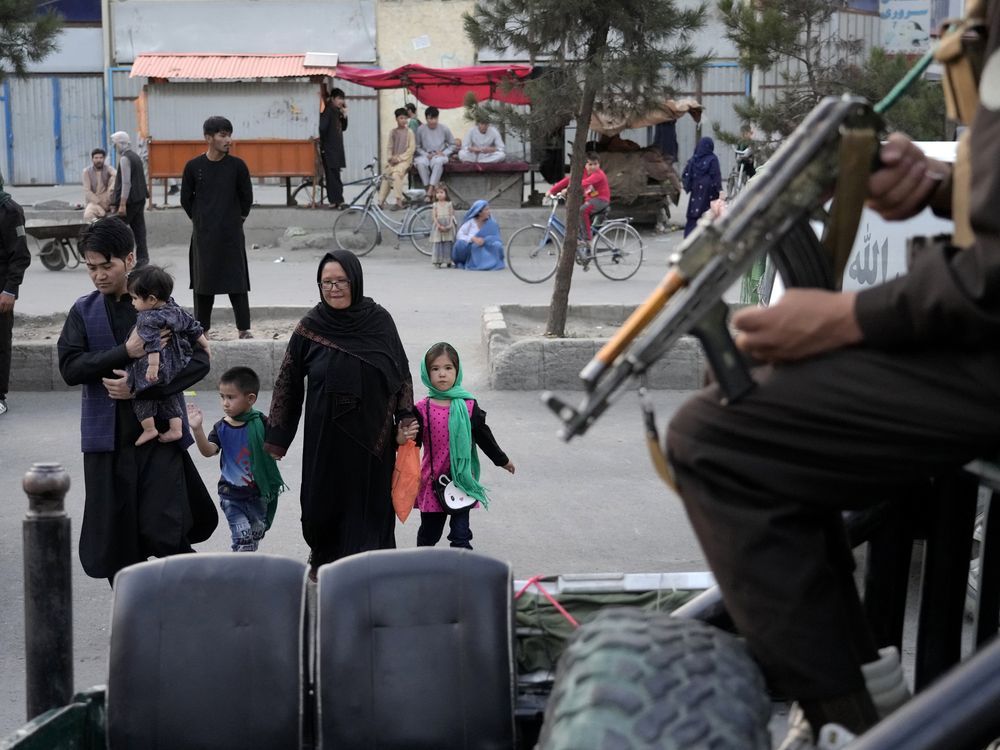
OTTAWA — MPs and veteran-led aid groups are urging ministers to do more to help thousands of Afghans who assisted Canadian Forces but remain trapped in Afghanistan a year after the Taliban seized Kabul.
They warn that 8,000 Afghans approved to come to Canada have not yet been able to escape. Many do not have a passport or visa and applying to the Taliban for documents could put them in danger.
Another 3,000 Afghans who helped Canada’s Armed Forces and government have not been approved to come to Canada, according to Aman Lara, a veteran-led non-governmental organization working to help interpreters and other Canadian government employees on the ground.
Brian Macdonald, Aman Lara’s executive director, urged Canada to extend the special immigration program, set up to settle 18,000 former local employees of the Canadian Armed Forces or government, which is being effectively wound down after reaching capacity.
“There are 8,000 people in Afghanistan who have been approved to come to Canada under the special immigration program who can’t get out,” he said.
“We are asking the government of Canada to keep the special immigration program open and unlimited in numbers until everybody who helped Canada gets out.”
A spokeswoman for Immigration Minister Sean Fraser said in June the department has received over 15,000 applications for the program, as well as referrals for the remaining 3,000 spaces.
Official figures show Canada’s resettlement efforts have lagged behind federal targets and efforts to help those fleeing the war in Ukraine.
More than 17,300 Afghans have arrived in Canada since last August compared to 71,800 Ukrainians who have come to Canada in 2022 alone, according to government statistics. The federal government has promised to resettle 40,000 Afghans.
Fraser predicted in December that it could take two years to fulfil the government’s promise to bring 40,000 Afghan refugees to Canada.
Canadian activists and opposition MPs accused the Liberals of not doing enough and say some families are in hiding from the Taliban as they await approval of their immigration applications.
NDP immigration critic Jenny Kwan, who has been in contact with many Afghan refugees who worked with Canadian Forces, said there is a “stark difference” between the government’s treatment of those fleeing the Taliban and those fleeing the Russian invasion.
She said the situation for Afghans who helped Canada is “grave,” with many unable to escape the country and facing persecution by the Taliban.
Kwan said some received no reply to their applications from the Immigration Department other than an automated response. Others seeking visas from the Taliban authorities to escape their regime were put in peril if they identified themselves.
“Their lives are in danger. They told me what the Taliban are calling them: they are called ‘the Western dogs,”’ Kwan said.
“We owe them a debt of gratitude. We cannot abandon them.”
Amanda Moddejonge, a military veteran and activist, said she has witnessed families being split up, with only some members making it to Canada. She also warned that Afghans who worked for Canadian Forces “are being hunted” by the Taliban.
“Nobody should face death for working for the Government of Canada, especially when this government can identify those who worked for them and is able to provide them life-saving assistance,” she said.
Macdonald said safe houses set up by Aman Lara for Afghan interpreters and their families, and others who helped Canada, have closed because the exodus to Canada has taken so long and it could not afford to keep them open.
He said the Pakistan government had agreed to a 60-day window in June to allow Afghans without full documentation to leave the country to fly to Canada, but not all Afghan and Pakistani officials at borders and airports were aware.
He called on the Canadian government to negotiate to keep that window open until all Afghans approved to come to Canada are able to get here.
His plea came as aid agencies working in Afghanistan raise alarms that the country is in a dire humanitarian crisis, with 18.9 million people facing acute hunger.
Asuntha Charles, national director of World Vision Afghanistan, said aid workers have encountered acute poverty and malnutrition, including among children.
“At least one million children are on the brink of starvation, and at least 36 per cent of Afghan children suffer from stunting — being small for their age — a common and largely irreversible effect of malnutrition,” she said.
“In the four areas we work, we’ve found that families live on less than a dollar a day. This has forced seven out of 10 boys and half of all girls to work to help their families instead of going to school.”
Vincent Hughes, a spokesman for Fraser, said the Afghan and Ukrainian immigration programs are very different.
He said Afghan refugees who arrive through programs set up to bring them to Canada have a right to stay permanently, whereas it’s believed many Ukrainians who have fled to Canada intend eventually to return to Ukraine.
Helping get people out of Afghanistan and to Canada was very challenging, he added, as Canada has no diplomatic presence there and does not recognize the Taliban government.
“Our commitment of bringing at least 40,000 vulnerable Afghans to Canada has not wavered, and it remains one of the largest programs around the world,” he said.
Afghanistan’s ambassador to Canada, who has no contact with the Taliban regime, said “the experience of the past one year in Afghanistan has been very painful and disturbing.”
Hassan Soroosh said the Taliban had swiftly reintroduced “repressive policies” including restrictions “on almost every aspect of girls’ and women’s lives and rights.”
“The Taliban’s forced takeover has caused a huge disruption to constitutional order, socio-economic development, public services and civil society activities,” he said.
The ambassador called for the international community to take a unified approach toward the Taliban and put greater pressure on them “as they continue to insist on their uncompromising approach and repressive rule.”
“We remain grateful to Canada for maintaining a principled position on the current tragic situation in Afghanistan and for a sustained commitment in support of the people of Afghanistan including women, girls and those who need resettlement support,” he said.
In a joint statement on Sunday, Canada’s ministers of foreign affairs, immigration, international development and national defence said “we have witnessed the hardships endured by the Afghan people, with some having undergone harrowing journeys to flee the country and countless others living in fear of persecution and retribution.”
“Faced with a heart-wrenching situation in Afghanistan, Canadians opened their hearts to help people rebuild their lives and more than 17,300 Afghans have arrived in Canada over the past year.”
 torontosun.com
Author of the article:Canadian Press
Canadian Press
Marie Woolf
Publishing date:Aug 15, 2022 • 13 hours ago • 5 minute read • 6 Comments
OTTAWA — MPs and veteran-led aid groups are urging ministers to do more to help thousands of Afghans who assisted Canadian Forces but remain trapped in Afghanistan a year after the Taliban seized Kabul.
They warn that 8,000 Afghans approved to come to Canada have not yet been able to escape. Many do not have a passport or visa and applying to the Taliban for documents could put them in danger.
Another 3,000 Afghans who helped Canada’s Armed Forces and government have not been approved to come to Canada, according to Aman Lara, a veteran-led non-governmental organization working to help interpreters and other Canadian government employees on the ground.
Brian Macdonald, Aman Lara’s executive director, urged Canada to extend the special immigration program, set up to settle 18,000 former local employees of the Canadian Armed Forces or government, which is being effectively wound down after reaching capacity.
“There are 8,000 people in Afghanistan who have been approved to come to Canada under the special immigration program who can’t get out,” he said.
“We are asking the government of Canada to keep the special immigration program open and unlimited in numbers until everybody who helped Canada gets out.”
A spokeswoman for Immigration Minister Sean Fraser said in June the department has received over 15,000 applications for the program, as well as referrals for the remaining 3,000 spaces.
Official figures show Canada’s resettlement efforts have lagged behind federal targets and efforts to help those fleeing the war in Ukraine.
More than 17,300 Afghans have arrived in Canada since last August compared to 71,800 Ukrainians who have come to Canada in 2022 alone, according to government statistics. The federal government has promised to resettle 40,000 Afghans.
Fraser predicted in December that it could take two years to fulfil the government’s promise to bring 40,000 Afghan refugees to Canada.
Canadian activists and opposition MPs accused the Liberals of not doing enough and say some families are in hiding from the Taliban as they await approval of their immigration applications.
NDP immigration critic Jenny Kwan, who has been in contact with many Afghan refugees who worked with Canadian Forces, said there is a “stark difference” between the government’s treatment of those fleeing the Taliban and those fleeing the Russian invasion.
She said the situation for Afghans who helped Canada is “grave,” with many unable to escape the country and facing persecution by the Taliban.
Kwan said some received no reply to their applications from the Immigration Department other than an automated response. Others seeking visas from the Taliban authorities to escape their regime were put in peril if they identified themselves.
“Their lives are in danger. They told me what the Taliban are calling them: they are called ‘the Western dogs,”’ Kwan said.
“We owe them a debt of gratitude. We cannot abandon them.”
Amanda Moddejonge, a military veteran and activist, said she has witnessed families being split up, with only some members making it to Canada. She also warned that Afghans who worked for Canadian Forces “are being hunted” by the Taliban.
“Nobody should face death for working for the Government of Canada, especially when this government can identify those who worked for them and is able to provide them life-saving assistance,” she said.
Macdonald said safe houses set up by Aman Lara for Afghan interpreters and their families, and others who helped Canada, have closed because the exodus to Canada has taken so long and it could not afford to keep them open.
He said the Pakistan government had agreed to a 60-day window in June to allow Afghans without full documentation to leave the country to fly to Canada, but not all Afghan and Pakistani officials at borders and airports were aware.
He called on the Canadian government to negotiate to keep that window open until all Afghans approved to come to Canada are able to get here.
His plea came as aid agencies working in Afghanistan raise alarms that the country is in a dire humanitarian crisis, with 18.9 million people facing acute hunger.
Asuntha Charles, national director of World Vision Afghanistan, said aid workers have encountered acute poverty and malnutrition, including among children.
“At least one million children are on the brink of starvation, and at least 36 per cent of Afghan children suffer from stunting — being small for their age — a common and largely irreversible effect of malnutrition,” she said.
“In the four areas we work, we’ve found that families live on less than a dollar a day. This has forced seven out of 10 boys and half of all girls to work to help their families instead of going to school.”
Vincent Hughes, a spokesman for Fraser, said the Afghan and Ukrainian immigration programs are very different.
He said Afghan refugees who arrive through programs set up to bring them to Canada have a right to stay permanently, whereas it’s believed many Ukrainians who have fled to Canada intend eventually to return to Ukraine.
Helping get people out of Afghanistan and to Canada was very challenging, he added, as Canada has no diplomatic presence there and does not recognize the Taliban government.
“Our commitment of bringing at least 40,000 vulnerable Afghans to Canada has not wavered, and it remains one of the largest programs around the world,” he said.
Afghanistan’s ambassador to Canada, who has no contact with the Taliban regime, said “the experience of the past one year in Afghanistan has been very painful and disturbing.”
Hassan Soroosh said the Taliban had swiftly reintroduced “repressive policies” including restrictions “on almost every aspect of girls’ and women’s lives and rights.”
“The Taliban’s forced takeover has caused a huge disruption to constitutional order, socio-economic development, public services and civil society activities,” he said.
The ambassador called for the international community to take a unified approach toward the Taliban and put greater pressure on them “as they continue to insist on their uncompromising approach and repressive rule.”
“We remain grateful to Canada for maintaining a principled position on the current tragic situation in Afghanistan and for a sustained commitment in support of the people of Afghanistan including women, girls and those who need resettlement support,” he said.
In a joint statement on Sunday, Canada’s ministers of foreign affairs, immigration, international development and national defence said “we have witnessed the hardships endured by the Afghan people, with some having undergone harrowing journeys to flee the country and countless others living in fear of persecution and retribution.”
“Faced with a heart-wrenching situation in Afghanistan, Canadians opened their hearts to help people rebuild their lives and more than 17,300 Afghans have arrived in Canada over the past year.”
Thousands of Afghans who helped Canada trapped in Afghanistan, struggling to leave
MPs and aid groups are urging more be done to help thousands of Afghans who aided Canadian Forces but remain trapped in Afghanistan.
Thousands of Afghans who helped Canada trapped in Afghanistan, struggling to leave
Author of the article:Canadian Press
Canadian Press
Marie Woolf
Publishing date:Aug 15, 2022 • 13 hours ago • 5 minute read • 6 Comments
OTTAWA — MPs and veteran-led aid groups are urging ministers to do more to help thousands of Afghans who assisted Canadian Forces but remain trapped in Afghanistan a year after the Taliban seized Kabul.
They warn that 8,000 Afghans approved to come to Canada have not yet been able to escape. Many do not have a passport or visa and applying to the Taliban for documents could put them in danger.
Another 3,000 Afghans who helped Canada’s Armed Forces and government have not been approved to come to Canada, according to Aman Lara, a veteran-led non-governmental organization working to help interpreters and other Canadian government employees on the ground.
Brian Macdonald, Aman Lara’s executive director, urged Canada to extend the special immigration program, set up to settle 18,000 former local employees of the Canadian Armed Forces or government, which is being effectively wound down after reaching capacity.
“There are 8,000 people in Afghanistan who have been approved to come to Canada under the special immigration program who can’t get out,” he said.
“We are asking the government of Canada to keep the special immigration program open and unlimited in numbers until everybody who helped Canada gets out.”
A spokeswoman for Immigration Minister Sean Fraser said in June the department has received over 15,000 applications for the program, as well as referrals for the remaining 3,000 spaces.
Official figures show Canada’s resettlement efforts have lagged behind federal targets and efforts to help those fleeing the war in Ukraine.
More than 17,300 Afghans have arrived in Canada since last August compared to 71,800 Ukrainians who have come to Canada in 2022 alone, according to government statistics. The federal government has promised to resettle 40,000 Afghans.
Fraser predicted in December that it could take two years to fulfil the government’s promise to bring 40,000 Afghan refugees to Canada.
Canadian activists and opposition MPs accused the Liberals of not doing enough and say some families are in hiding from the Taliban as they await approval of their immigration applications.
NDP immigration critic Jenny Kwan, who has been in contact with many Afghan refugees who worked with Canadian Forces, said there is a “stark difference” between the government’s treatment of those fleeing the Taliban and those fleeing the Russian invasion.
She said the situation for Afghans who helped Canada is “grave,” with many unable to escape the country and facing persecution by the Taliban.
Kwan said some received no reply to their applications from the Immigration Department other than an automated response. Others seeking visas from the Taliban authorities to escape their regime were put in peril if they identified themselves.
“Their lives are in danger. They told me what the Taliban are calling them: they are called ‘the Western dogs,”’ Kwan said.
“We owe them a debt of gratitude. We cannot abandon them.”
Amanda Moddejonge, a military veteran and activist, said she has witnessed families being split up, with only some members making it to Canada. She also warned that Afghans who worked for Canadian Forces “are being hunted” by the Taliban.
“Nobody should face death for working for the Government of Canada, especially when this government can identify those who worked for them and is able to provide them life-saving assistance,” she said.
Macdonald said safe houses set up by Aman Lara for Afghan interpreters and their families, and others who helped Canada, have closed because the exodus to Canada has taken so long and it could not afford to keep them open.
He said the Pakistan government had agreed to a 60-day window in June to allow Afghans without full documentation to leave the country to fly to Canada, but not all Afghan and Pakistani officials at borders and airports were aware.
He called on the Canadian government to negotiate to keep that window open until all Afghans approved to come to Canada are able to get here.
His plea came as aid agencies working in Afghanistan raise alarms that the country is in a dire humanitarian crisis, with 18.9 million people facing acute hunger.
Asuntha Charles, national director of World Vision Afghanistan, said aid workers have encountered acute poverty and malnutrition, including among children.
“At least one million children are on the brink of starvation, and at least 36 per cent of Afghan children suffer from stunting — being small for their age — a common and largely irreversible effect of malnutrition,” she said.
“In the four areas we work, we’ve found that families live on less than a dollar a day. This has forced seven out of 10 boys and half of all girls to work to help their families instead of going to school.”
Vincent Hughes, a spokesman for Fraser, said the Afghan and Ukrainian immigration programs are very different.
He said Afghan refugees who arrive through programs set up to bring them to Canada have a right to stay permanently, whereas it’s believed many Ukrainians who have fled to Canada intend eventually to return to Ukraine.
Helping get people out of Afghanistan and to Canada was very challenging, he added, as Canada has no diplomatic presence there and does not recognize the Taliban government.
“Our commitment of bringing at least 40,000 vulnerable Afghans to Canada has not wavered, and it remains one of the largest programs around the world,” he said.
Afghanistan’s ambassador to Canada, who has no contact with the Taliban regime, said “the experience of the past one year in Afghanistan has been very painful and disturbing.”
Hassan Soroosh said the Taliban had swiftly reintroduced “repressive policies” including restrictions “on almost every aspect of girls’ and women’s lives and rights.”
“The Taliban’s forced takeover has caused a huge disruption to constitutional order, socio-economic development, public services and civil society activities,” he said.
The ambassador called for the international community to take a unified approach toward the Taliban and put greater pressure on them “as they continue to insist on their uncompromising approach and repressive rule.”
“We remain grateful to Canada for maintaining a principled position on the current tragic situation in Afghanistan and for a sustained commitment in support of the people of Afghanistan including women, girls and those who need resettlement support,” he said.
In a joint statement on Sunday, Canada’s ministers of foreign affairs, immigration, international development and national defence said “we have witnessed the hardships endured by the Afghan people, with some having undergone harrowing journeys to flee the country and countless others living in fear of persecution and retribution.”
“Faced with a heart-wrenching situation in Afghanistan, Canadians opened their hearts to help people rebuild their lives and more than 17,300 Afghans have arrived in Canada over the past year.”
Thousands of Afghans who helped Canada trapped in Afghanistan, struggling to leave
MPs and aid groups are urging more be done to help thousands of Afghans who aided Canadian Forces but remain trapped in Afghanistan.
Two years into Taliban rule, Afghan women ask Canada for education and accountability
Author of the article:Canadian Press
Canadian Press
Dylan Robertson
Published Aug 13, 2023 • Last updated 1 day ago • 5 minute read
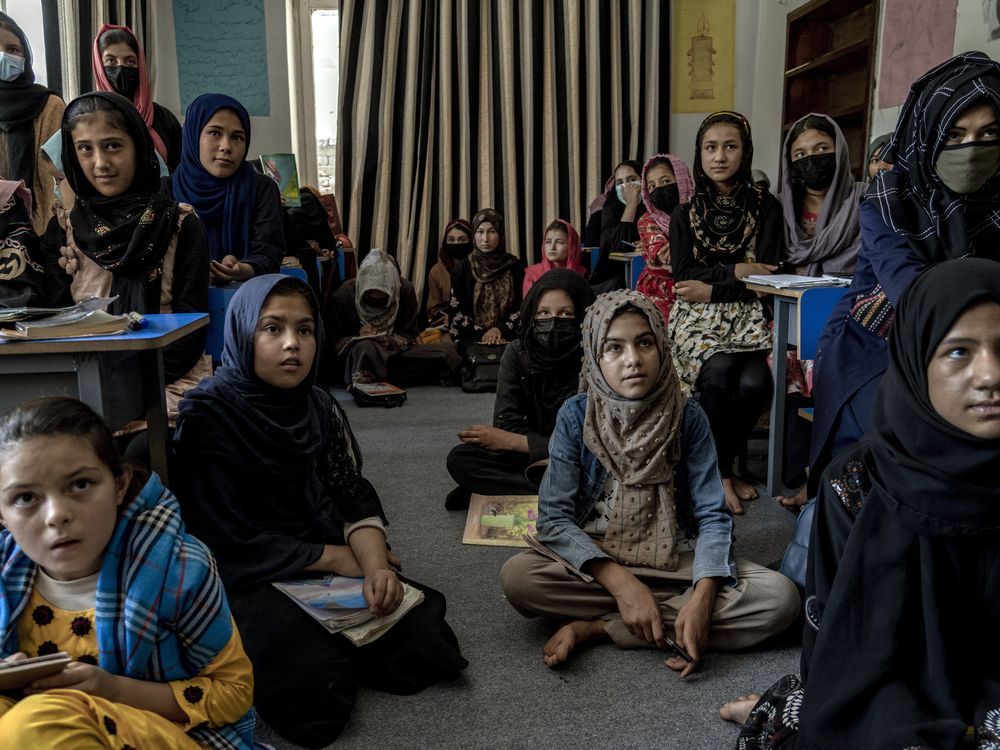
OTTAWA — More than 70 people gathered in front of the Peace Tower on Parliament Hill Sunday afternoon to call on Canadians to join them in protecting girls’ education in Afghanistan and resisting legitimacy for the Taliban regime currently in power in the country.
Many said the international community has a stronger role to play in bringing the terrorist group to justice, noting conditions in the country have deteriorated dramatically since the Taliban seized the capital city of Kabul in August 2021.
“It’s a complete humanitarian and human-rights crisis that’s been going on for two years,” said Murwarid Ziayee, a senior director with Canadian Women for Women in Afghanistan.
The group, members of which attended Sunday’s march, is part of a global effort to have countries help gather evidence of “gender apartheid.” They want to see an eventual International Criminal Court prosecution of the Taliban for crimes against humanity.
The hard line fundamentalist group took over Afghanistan on Aug. 15, 2021 after U.S. troops pulled out of a two-decade military mission that had heavy Canadian involvement.
There were 165 Canadians, including seven civilians, who died during the mission. During that time, girls were able to attend school and rose through the ranks of universities, companies and government departments.
Global sanctions deepened an economic crisis immediately after the Taliban takeover, and severe weather and earthquakes soon followed. Within six months of Kabul’s fall, the UN reported that 95 per cent of Afghans were not getting enough to eat.
The Taliban touts a decline in bomb attacks and bribes under its rule, but the UN has documented atrocious treatment of women, who have been denied vital medical services and barred from numerous professions.
This month, the BBC’s Persian service reported that Taliban leaders in certain provinces have expanded a ban on education to girls as young as 10. The Taliban had already barred girls from attending secondary schools.
“My friends are back home, they can’t go to school. I talk to them and they’re always feeling depressed,” said Yasamin Dellawari, one of the young women who attended the rally in shirts that read “Let Her Learn” and sang an original song for the crowd.
The 19-year-old fled her home two years ago because of the Taliban. Now that she is in Canada, she’s determined to do something to help those who stayed behind.
Batool Karimi, 17, said it meant a lot to her to see the support for Afghan girls at the rally.
“I’m pretty sure one day we’re going to have this gathering, this generation, all of us in Afghanistan, in Kabul, and we are going to talk about how we did it,” she said.
To get there, many of the afternoon’s speakers said, they will need the support of the international community.
“The resistance is there,” said Homa Hoodfar, a professor of social and cultural anthropology at Montreal’s Concordia University who spoke at the rally.
“Afghan women — despite all the problems — have been there (in) the streets, raising their voices. Unfortunately, the international support has not been so forthcoming.”
Ziayee was raised in Kabul and spent two decades working on development projects in Afghanistan during its democratic period.
Her group operates schools and recently asked students aged 10 to 12 to draw the way they saw their future. Many sketched themselves behind bars or in a cave, while others drew total darkness.
“The reality of their lives is so hard to digest. What we hear is a sense of hopelessness,” she said.
“It makes me want to stand stronger and fight because they cannot do it from inside, although women have shown so much strength and bravery by resisting the Taliban.”
Canadian Women for Women in Afghanistan has shifted some of its physical schools to online learning, which parents have their daughters attend in secret.
It’s an act of faith — the idea is to maintain the gains in education so that girls can get back to class whenever they’re allowed, without missing entire grades.
Among the Afghan diaspora, there is an agonizing debate about whether countries should accept Taliban rule and work with them to alleviate hunger, or stick with principles in the hopes of undermining the terrorist group’s grip on the country. UN agencies have been similarly split, with some suspending activities that bar women and others limiting their work to all-male teams.
Ziayee said there shouldn’t be a compromise between values and aid.
She said blanket sanctions on Afghanistan are punishing everyday people and should instead be directed at specific Taliban leaders who travel or do business abroad. She said that might instill accountability for human-rights atrocities.
Canada can fund online-learning projects and follow through on its delayed pledge to resettle 40,000 Afghans. Ottawa could also step up in its promise to allow Canadian development groups to help people in Afghanistan, she said.
The Liberals passed Bill C-41 in June, which changed parts of Canada’s terrorism law that barred aid workers from hiring or purchasing anything in Afghanistan on the grounds that paying taxes to the Taliban amounts to funding a terror group.
The law immediately cleared hurdles for humanitarian groups trying to get food and medical supplies into the country. But it subjects development groups, such as those trying to build clinics or wells, to a permitting process that has no launch date.
In a July 14 presentation to stakeholders, the Department of Public Safety said it expects to launch that permitting process “in the coming months.”
Sen. Ratna Omidvar advocated for the legislation for more than a year and helped amend the bill to ensure aid flows faster and Ottawa reviews the bill’s effectiveness.
Omidvar has been given no timeline for implementation, but says bureaucrats have been working to launch the permitting process. She expects them to announce the format sometime in September.
“In political and parliamentary life in Canada, that perhaps is not too long,” she said. “The wheels are moving; I know that developmental groups would want to have the permission as soon as possible.”
Ziayee said she’s anxious that Ottawa still hasn’t fixed an issue that allies sorted out within months of the Taliban seizing Kabul.
“While we really appreciate that this passed, we need some clarity,” she said. “We can’t wait for another two years to have a timeline or a start date.”
— With files from Sarah Ritchie
 torontosun.com
Author of the article:Canadian Press
Canadian Press
Dylan Robertson
Published Aug 13, 2023 • Last updated 1 day ago • 5 minute read
OTTAWA — More than 70 people gathered in front of the Peace Tower on Parliament Hill Sunday afternoon to call on Canadians to join them in protecting girls’ education in Afghanistan and resisting legitimacy for the Taliban regime currently in power in the country.
Many said the international community has a stronger role to play in bringing the terrorist group to justice, noting conditions in the country have deteriorated dramatically since the Taliban seized the capital city of Kabul in August 2021.
“It’s a complete humanitarian and human-rights crisis that’s been going on for two years,” said Murwarid Ziayee, a senior director with Canadian Women for Women in Afghanistan.
The group, members of which attended Sunday’s march, is part of a global effort to have countries help gather evidence of “gender apartheid.” They want to see an eventual International Criminal Court prosecution of the Taliban for crimes against humanity.
The hard line fundamentalist group took over Afghanistan on Aug. 15, 2021 after U.S. troops pulled out of a two-decade military mission that had heavy Canadian involvement.
There were 165 Canadians, including seven civilians, who died during the mission. During that time, girls were able to attend school and rose through the ranks of universities, companies and government departments.
Global sanctions deepened an economic crisis immediately after the Taliban takeover, and severe weather and earthquakes soon followed. Within six months of Kabul’s fall, the UN reported that 95 per cent of Afghans were not getting enough to eat.
The Taliban touts a decline in bomb attacks and bribes under its rule, but the UN has documented atrocious treatment of women, who have been denied vital medical services and barred from numerous professions.
This month, the BBC’s Persian service reported that Taliban leaders in certain provinces have expanded a ban on education to girls as young as 10. The Taliban had already barred girls from attending secondary schools.
“My friends are back home, they can’t go to school. I talk to them and they’re always feeling depressed,” said Yasamin Dellawari, one of the young women who attended the rally in shirts that read “Let Her Learn” and sang an original song for the crowd.
The 19-year-old fled her home two years ago because of the Taliban. Now that she is in Canada, she’s determined to do something to help those who stayed behind.
Batool Karimi, 17, said it meant a lot to her to see the support for Afghan girls at the rally.
“I’m pretty sure one day we’re going to have this gathering, this generation, all of us in Afghanistan, in Kabul, and we are going to talk about how we did it,” she said.
To get there, many of the afternoon’s speakers said, they will need the support of the international community.
“The resistance is there,” said Homa Hoodfar, a professor of social and cultural anthropology at Montreal’s Concordia University who spoke at the rally.
“Afghan women — despite all the problems — have been there (in) the streets, raising their voices. Unfortunately, the international support has not been so forthcoming.”
Ziayee was raised in Kabul and spent two decades working on development projects in Afghanistan during its democratic period.
Her group operates schools and recently asked students aged 10 to 12 to draw the way they saw their future. Many sketched themselves behind bars or in a cave, while others drew total darkness.
“The reality of their lives is so hard to digest. What we hear is a sense of hopelessness,” she said.
“It makes me want to stand stronger and fight because they cannot do it from inside, although women have shown so much strength and bravery by resisting the Taliban.”
Canadian Women for Women in Afghanistan has shifted some of its physical schools to online learning, which parents have their daughters attend in secret.
It’s an act of faith — the idea is to maintain the gains in education so that girls can get back to class whenever they’re allowed, without missing entire grades.
Among the Afghan diaspora, there is an agonizing debate about whether countries should accept Taliban rule and work with them to alleviate hunger, or stick with principles in the hopes of undermining the terrorist group’s grip on the country. UN agencies have been similarly split, with some suspending activities that bar women and others limiting their work to all-male teams.
Ziayee said there shouldn’t be a compromise between values and aid.
She said blanket sanctions on Afghanistan are punishing everyday people and should instead be directed at specific Taliban leaders who travel or do business abroad. She said that might instill accountability for human-rights atrocities.
Canada can fund online-learning projects and follow through on its delayed pledge to resettle 40,000 Afghans. Ottawa could also step up in its promise to allow Canadian development groups to help people in Afghanistan, she said.
The Liberals passed Bill C-41 in June, which changed parts of Canada’s terrorism law that barred aid workers from hiring or purchasing anything in Afghanistan on the grounds that paying taxes to the Taliban amounts to funding a terror group.
The law immediately cleared hurdles for humanitarian groups trying to get food and medical supplies into the country. But it subjects development groups, such as those trying to build clinics or wells, to a permitting process that has no launch date.
In a July 14 presentation to stakeholders, the Department of Public Safety said it expects to launch that permitting process “in the coming months.”
Sen. Ratna Omidvar advocated for the legislation for more than a year and helped amend the bill to ensure aid flows faster and Ottawa reviews the bill’s effectiveness.
Omidvar has been given no timeline for implementation, but says bureaucrats have been working to launch the permitting process. She expects them to announce the format sometime in September.
“In political and parliamentary life in Canada, that perhaps is not too long,” she said. “The wheels are moving; I know that developmental groups would want to have the permission as soon as possible.”
Ziayee said she’s anxious that Ottawa still hasn’t fixed an issue that allies sorted out within months of the Taliban seizing Kabul.
“While we really appreciate that this passed, we need some clarity,” she said. “We can’t wait for another two years to have a timeline or a start date.”
— With files from Sarah Ritchie
Two years into Taliban rule, Afghan women ask Canada for education and accountability
Afghan women are asking Canadians to join them in protecting gains in girls' education and resisting legitimacy for the Taliban.
Secret tribute for 'embarrassing' envoy that fled Afghanistan: Memo
Author of the article ostmedia News
Published Aug 29, 2023 • Last updated 1 day ago • 2 minute read
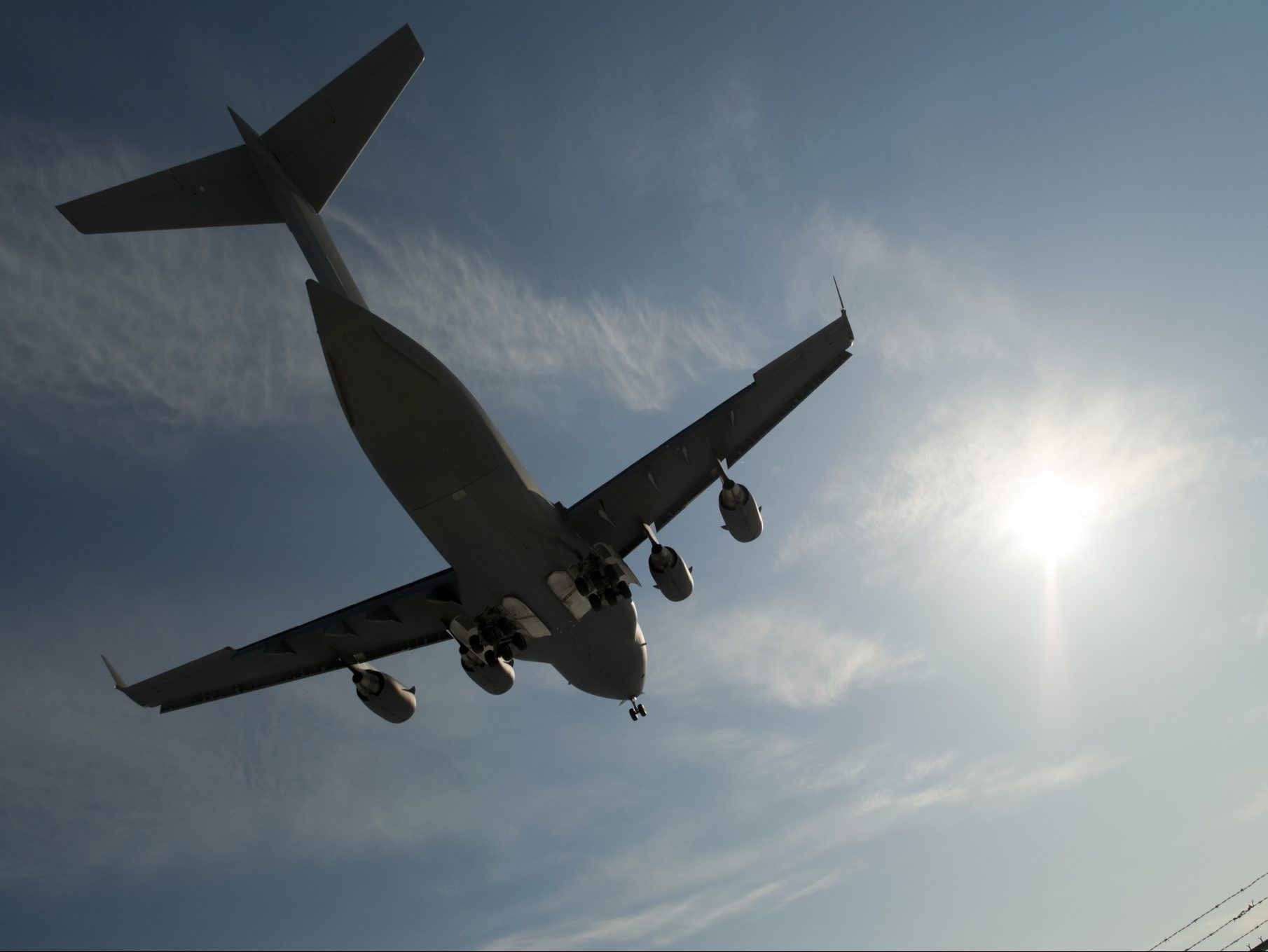
A secret ceremony was organized by the Department of Foreign Affairs to honour Ambassador Reid Sirrs and other diplomats who fled Afghanistan aboard a half-empty military plane during the fall of Kabul, records show.
A secret ceremony was organized by the Department of Foreign Affairs to honour Ambassador Reid Sirrs and other diplomats who fled Afghanistan aboard a half-empty military plane during the fall of Kabul, records show.
A secret ceremony was organized by the Department of Foreign Affairs to honour Ambassador Reid Sirrs and other diplomats who fled Afghanistan aboard a half-empty military plane during the fall of Kabul, records show.
Canadian military called the incident “embarrassing,” according to Blacklock’s Reporter.
In a memo, the department disclosed it held an “emotionally charged” tribute to Sirrs last fall.
There was no public announcement.
“On October 26 the department held a ceremony to recognize the efforts of public servants during this extremely complex and challenging evacuation operation,” said the memo Afghanistan Evacuation Recognition Ceremony. “Many have demonstrated outstanding commitment in difficult conditions. It was an emotionally charged situation for all those involved and some still carry this emotional weight to this day.”
The department wouldn’t reveal details including who attended the ceremony, where it was held or why the public was never told about it.
Ambassador Sirrs, who was reassigned to Buenos Aires, made a lone appearance for questioning at a parliamentary committee on March 21, 2022. Sirrs testified he fled Kabul because it was too dangerous.
“We could hear explosions,” testified Sirrs, former director general of security for the foreign ministry. “We could see fires all over the city. When we came into the military side of the airport itself it was very obvious the city was coming under siege and it became evident to us that a whole bunch of chaotic activity was taking place and was going to escalate.”
About 1,250 Canadians along with thousands of Afghan nationals who had worked with Canadian military were trapped in Kabul. Flight logs confirmed Sirrs fled aboard a half-empty RCAF plane.
Eyewitnesses testifying at the Commons Special Committee on Afghanistan said the flight of the diplomats stranded thousands.
“We were the first embassy to depart,” testified Major-General (Ret’d) Dean Milner, the last Canadian combat commander in the region. “That was very embarrassing for a lot of us on the ground.”
 torontosun.com
Author of the article
ostmedia NewsPublished Aug 29, 2023 • Last updated 1 day ago • 2 minute read
A secret ceremony was organized by the Department of Foreign Affairs to honour Ambassador Reid Sirrs and other diplomats who fled Afghanistan aboard a half-empty military plane during the fall of Kabul, records show.
A secret ceremony was organized by the Department of Foreign Affairs to honour Ambassador Reid Sirrs and other diplomats who fled Afghanistan aboard a half-empty military plane during the fall of Kabul, records show.
A secret ceremony was organized by the Department of Foreign Affairs to honour Ambassador Reid Sirrs and other diplomats who fled Afghanistan aboard a half-empty military plane during the fall of Kabul, records show.
Canadian military called the incident “embarrassing,” according to Blacklock’s Reporter.
In a memo, the department disclosed it held an “emotionally charged” tribute to Sirrs last fall.
There was no public announcement.
“On October 26 the department held a ceremony to recognize the efforts of public servants during this extremely complex and challenging evacuation operation,” said the memo Afghanistan Evacuation Recognition Ceremony. “Many have demonstrated outstanding commitment in difficult conditions. It was an emotionally charged situation for all those involved and some still carry this emotional weight to this day.”
The department wouldn’t reveal details including who attended the ceremony, where it was held or why the public was never told about it.
Ambassador Sirrs, who was reassigned to Buenos Aires, made a lone appearance for questioning at a parliamentary committee on March 21, 2022. Sirrs testified he fled Kabul because it was too dangerous.
“We could hear explosions,” testified Sirrs, former director general of security for the foreign ministry. “We could see fires all over the city. When we came into the military side of the airport itself it was very obvious the city was coming under siege and it became evident to us that a whole bunch of chaotic activity was taking place and was going to escalate.”
About 1,250 Canadians along with thousands of Afghan nationals who had worked with Canadian military were trapped in Kabul. Flight logs confirmed Sirrs fled aboard a half-empty RCAF plane.
Eyewitnesses testifying at the Commons Special Committee on Afghanistan said the flight of the diplomats stranded thousands.
“We were the first embassy to depart,” testified Major-General (Ret’d) Dean Milner, the last Canadian combat commander in the region. “That was very embarrassing for a lot of us on the ground.”
Secret tribute for 'embarrassing' envoy that fled Afghanistan: Memo
A secret ceremony was organized to honour Ambassador Reid Sirrs and other diplomats who fled Afghanistan, records show.
Trump's vile lie that NATO troops stayed behind front in Afghanistan pure fiction
A Canadian general who led Canadian and American troops is calling out the president for rewriting history
Author of the article:Joe Warmington
Published Jan 23, 2026 • Last updated 1 day ago • 4 minute read
Highway of Heroes
Canadians line the bridge at McCowan overpass on Highway 401 as the body of Bradford native Brian Collier, 24, makes its way along the Highway of Heroes in Toronto July 23, 2010. Collier was killed by an IED blast near Nakhonay, about 15 km west of Kandahar city. Photo by Dave Abel /Toronto Sun
There is an unchangeable “truth” that goes with a Canadian flag draped over a Canadian soldier’s casket and hundreds of patriots standing on a bridge saluting that can’t be erased no matter how powerful the person doing the erasing may be.
U.S. President Donald Trump is going to have a hard time convincing retired Major-General Dean Milner that Canadian soldiers were hiding behind the front lines by staying “a little back” in Afghanistan.
“It’s so far of the truth,” said the last commander of the Kandahar base before the country was turned back over to the Taliban.
It was a lie!
“We lost a lot of people there, and all of the NATO countries that sent troops had casualties too,” said Milner.
Records show 3,486 NATO soldiers died in the two-decade long war in Afghanistan – 2,461 of whom were Americans.
That means more than 1,000 others died from NATO countries.
“The Americans bravely sacrificed a lot,” said Milner, who had eight in his command killed in action.
But so did every NATO participant.
Maj.-Gen. Dean Milner (centre).
Maj.-Gen. Dean Milner (centre). Photo by FILE /TORONTO SUN
Milner is sensitive about anybody disrespecting war dead. There is not a day that goes by that the retired general doesn’t think of all of the NATO troops who sacrificed their lives there. So, it’s not easy to hear anybody besmirch their names. Milner reminds that those 1,000 others from various NATO countries who were killed there were not fighting from the side or behind the front lines.
Spitting on graves of the fallen
Trump is entitled to free speech and his opinion. Both his gross and classless comments about NATO troops in Afghanistan were not just fiction, they were effectively spitting on the graves of the fallen — brave troops who served alongside the equally as brave American troops.
Canada had 158 trips in hearses along the Highway of Heroes, and no politician from anywhere can rewrite that history. And thousands of valorous Canadian soldiers’ ultimate sacrifices in wars alongside the United States and other allies has provided more than a century of freedom.
Respect is a two-way street. No one is going to disrespect our fallen troops without a strong pushback. It’s one thing to urinate all over a trade agreement, but to do so on our fallen troops crosses every line of decency. If Trump doesn’t walk back his inappropriate and false comments and apologize, the stain of his incorrect remarks may be irreparable.
Switzerland Davos Trump
President Donald Trump gestures after his special address during the 56th annual meeting of the World Economic Forum, WEF, in Davos, Switzerland, Wednesday, Jan. 21, 2026. Photo by Gian Ehrenzeller /Keystone via AP
“We’ve never needed them,” the president said in an interview from the World Economic Forum in Davos, Switzerland. “We have never really asked anything of them.”
Neither statement is true.
NATO countries, and certainly Canada, have more than contributed to world peace and are buried in cemeteries all over the world as causalities of war fighting as allies with the United States to prove that.
World War One. World War Two. Korea. Afghanistan.
“They’ll say they sent some troops to Afghanistan,” said Trump, adding, “and they did, they stayed a little back, a little off the front lines.”
Record can’t be erased by words
It’s a vile and dishonest depiction of what transpired there. Trump and the United States should recant it as soon as possible. But Milner said whether Trump does or not doesn’t correct the record — the record is the record. And part of that record is not just being in Afghanistan, but where Canadians were deployed there.
“The bottom line is this country put Canadian troops in places in Afghanistan that was the home of the Taliban and fought them,” said Milner, who helped a lot in rescuing Afghan interpreters. “During much of that war we were the ones doing the fighting.”
Trump needs to correct the record and will be forgiven if he does. But he has to make a gesture if he ever wants to see a country put the lives of their men and women up for duty to serve with the United States in battle ever again. There is nothing more important to serving in war than to ensure those who do it are treated with full honour. That did not happen with Trump’s crass comment.
The reality is in many wars, Canadian and British troops were on the front lines line before the Americans ever arrived. In World War One and Two, America’s involvement was key to victory, but it was a victory earned by all the NATO countries, and everybody seems to know that.
Almost everybody.
Canadian troops ‘never backed down’
Now president of the Royal Kingston United Services Institute, Milner said that while Trump is not wrong in his criticism of Canada and other NATO countries’ inability to properly defend themselves or their sovereignty, he was wrong to suggest NATO troops played it safe in Afghanistan.
Led by top General Rick Hillier, Milner said they “never backed down from anything.”
And Canada should not back down now from telling Trump that while Americans have sacrificed and led in many wars, they didn’t do it alone and they were not the only country to lose troops.
Any suggestion to the contrary, said Milner, is “pure B.S.”
jwarmington@postmedia.com

 torontosun.com
A Canadian general who led Canadian and American troops is calling out the president for rewriting history
Author of the article:Joe Warmington
Published Jan 23, 2026 • Last updated 1 day ago • 4 minute read
Highway of Heroes
Canadians line the bridge at McCowan overpass on Highway 401 as the body of Bradford native Brian Collier, 24, makes its way along the Highway of Heroes in Toronto July 23, 2010. Collier was killed by an IED blast near Nakhonay, about 15 km west of Kandahar city. Photo by Dave Abel /Toronto Sun
There is an unchangeable “truth” that goes with a Canadian flag draped over a Canadian soldier’s casket and hundreds of patriots standing on a bridge saluting that can’t be erased no matter how powerful the person doing the erasing may be.
U.S. President Donald Trump is going to have a hard time convincing retired Major-General Dean Milner that Canadian soldiers were hiding behind the front lines by staying “a little back” in Afghanistan.
“It’s so far of the truth,” said the last commander of the Kandahar base before the country was turned back over to the Taliban.
It was a lie!
“We lost a lot of people there, and all of the NATO countries that sent troops had casualties too,” said Milner.
Records show 3,486 NATO soldiers died in the two-decade long war in Afghanistan – 2,461 of whom were Americans.
That means more than 1,000 others died from NATO countries.
“The Americans bravely sacrificed a lot,” said Milner, who had eight in his command killed in action.
But so did every NATO participant.
Maj.-Gen. Dean Milner (centre).
Maj.-Gen. Dean Milner (centre). Photo by FILE /TORONTO SUN
Milner is sensitive about anybody disrespecting war dead. There is not a day that goes by that the retired general doesn’t think of all of the NATO troops who sacrificed their lives there. So, it’s not easy to hear anybody besmirch their names. Milner reminds that those 1,000 others from various NATO countries who were killed there were not fighting from the side or behind the front lines.
Spitting on graves of the fallen
Trump is entitled to free speech and his opinion. Both his gross and classless comments about NATO troops in Afghanistan were not just fiction, they were effectively spitting on the graves of the fallen — brave troops who served alongside the equally as brave American troops.
Canada had 158 trips in hearses along the Highway of Heroes, and no politician from anywhere can rewrite that history. And thousands of valorous Canadian soldiers’ ultimate sacrifices in wars alongside the United States and other allies has provided more than a century of freedom.
Respect is a two-way street. No one is going to disrespect our fallen troops without a strong pushback. It’s one thing to urinate all over a trade agreement, but to do so on our fallen troops crosses every line of decency. If Trump doesn’t walk back his inappropriate and false comments and apologize, the stain of his incorrect remarks may be irreparable.
Switzerland Davos Trump
President Donald Trump gestures after his special address during the 56th annual meeting of the World Economic Forum, WEF, in Davos, Switzerland, Wednesday, Jan. 21, 2026. Photo by Gian Ehrenzeller /Keystone via AP
“We’ve never needed them,” the president said in an interview from the World Economic Forum in Davos, Switzerland. “We have never really asked anything of them.”
Neither statement is true.
NATO countries, and certainly Canada, have more than contributed to world peace and are buried in cemeteries all over the world as causalities of war fighting as allies with the United States to prove that.
World War One. World War Two. Korea. Afghanistan.
“They’ll say they sent some troops to Afghanistan,” said Trump, adding, “and they did, they stayed a little back, a little off the front lines.”
Record can’t be erased by words
It’s a vile and dishonest depiction of what transpired there. Trump and the United States should recant it as soon as possible. But Milner said whether Trump does or not doesn’t correct the record — the record is the record. And part of that record is not just being in Afghanistan, but where Canadians were deployed there.
“The bottom line is this country put Canadian troops in places in Afghanistan that was the home of the Taliban and fought them,” said Milner, who helped a lot in rescuing Afghan interpreters. “During much of that war we were the ones doing the fighting.”
Trump needs to correct the record and will be forgiven if he does. But he has to make a gesture if he ever wants to see a country put the lives of their men and women up for duty to serve with the United States in battle ever again. There is nothing more important to serving in war than to ensure those who do it are treated with full honour. That did not happen with Trump’s crass comment.
The reality is in many wars, Canadian and British troops were on the front lines line before the Americans ever arrived. In World War One and Two, America’s involvement was key to victory, but it was a victory earned by all the NATO countries, and everybody seems to know that.
Almost everybody.
Canadian troops ‘never backed down’
Now president of the Royal Kingston United Services Institute, Milner said that while Trump is not wrong in his criticism of Canada and other NATO countries’ inability to properly defend themselves or their sovereignty, he was wrong to suggest NATO troops played it safe in Afghanistan.
Led by top General Rick Hillier, Milner said they “never backed down from anything.”
And Canada should not back down now from telling Trump that while Americans have sacrificed and led in many wars, they didn’t do it alone and they were not the only country to lose troops.
Any suggestion to the contrary, said Milner, is “pure B.S.”
jwarmington@postmedia.com
WARMINGTON: Trump's vile lie that NATO troops stayed behind front in Afghanistan pure fiction
President Trump's comments that NATO troops fought from the side and behind the front lines is not only gross but a bald-faced lie.

Y'all just now noticing? Of course it's a vile lie. That's what vile liars do. It's right there in the name.Trump's vile lie that NATO troops stayed behind front in Afghanistan pure fiction
A Canadian general who led Canadian and American troops is calling out the president for rewriting history
Canadian Conservatives beginning to regret worshipping him?

Dude is batshit crazy, but the American economy preformed fairly well during his first term when he was on somewhat of a leash…but there’s no such restriction on him now whatsoever.Canadian Conservatives beginning to regret worshipping him?